By Christian Dimbleby, Associate & Chartered Engineer
MEng(Hons) DipArch CEng MCIBSE
We know that we are facing a depressing array of climate issues.
The UN has warned that our failure to act early on climate change means we now must deliver even deeper cuts to carbon emissions just to stand a chance of slowing down the rise in temperatures.
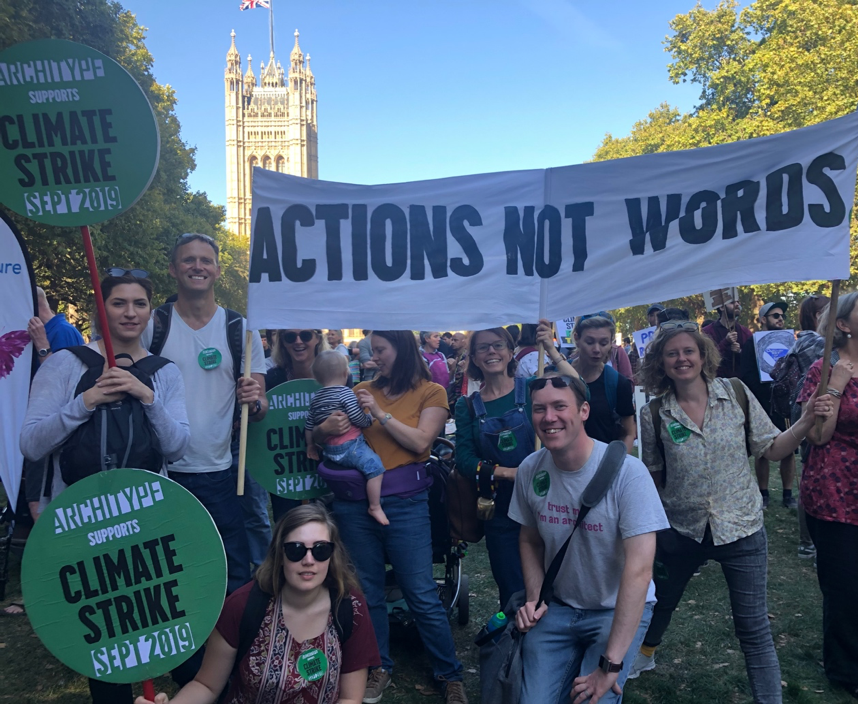
We need to stop talking and, in the words of Greta Thunberg, act now as if ‘our house is on fire.’
For those of us who have been trying for years to highlight the importance of reducing impact, it is welcome to see the new interest in solutions like Passivhaus and zero carbon design, even if aspirations are yet to be backed up by legislation. We, and the Stirling prize winners Mikhail Riches, have shown too that ecological design can be beautiful and good for your health.

How buildings can come full circle
Looking at building impact in the round through a circular economy approach is one way that will help towards tougher emissions targets.
The circular economy is an approach aimed at eliminating waste and use of resources. Switching to a circular economy will mean designers will have to think about their impact and design in a way that allows for reuse of structures and materials. This regenerative approach is in contrast to the traditional linear economy model which has a ‘take, make, dispose’ model of production. The built environment is responsible for a huge amount of carbon being released into the atmosphere in production and operation and is the main waste creator globally.
But change is coming.
Progressive authorities like Edinburgh have already committed to Passivhaus, and in October it was great to see the Mayor of London’s office publish ‘Design for a Circular Economy.
This primer will help designers prepare for London’s transition to a circular economy and encourage design with consequence, advocating refurbishment rather than demolition as a first choice in all projects. This will help those involved in large projects report on circular economy ambitions as set out, but not clearly detailed, by the Mayor in the draft London Plan and Environment Strategy, and could trickle down to smaller projects. It will also minimise the 140 million tonnes of waste that London construction generates annually.

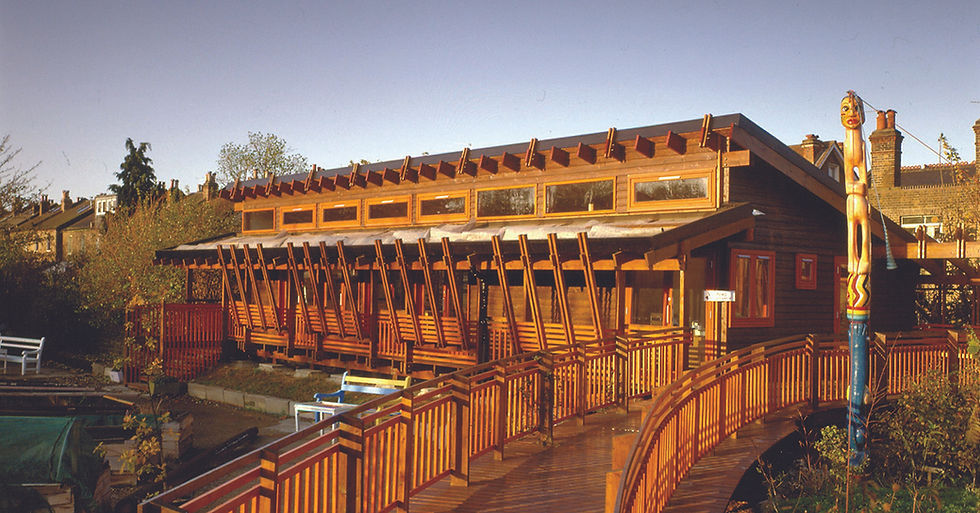
The approach is clearly in accord with Architect Journal’s great RetroFirst campaign, the thinking of Bill Gates and is demonstrated through projects such as The Sustainability Centre.
Tackling the issue at policy level is vital.
We have long supported the UK Green Building Council’s and #retrofirst aims to change the VAT system as it is absurd that demolition and new build is cheaper than a retrofit.
A great example of renewal of buildings that I’ve been involved with is The Gower School, where we worked with the school for over ten years to transform existing buildings and spaces on two sites into fantastic educational facilities. As well as minimising the environmental impact of materials waste the embodied (or upfront) carbon emissions are vastly reduced compared with a new build. With thoughtful design, retrofitting also harnesses the benefits of speed, community integration and flexibility, and maintains historical craft and styles.

There’s no doubt that interest is growing in what can practically be done to tackle this emergency.
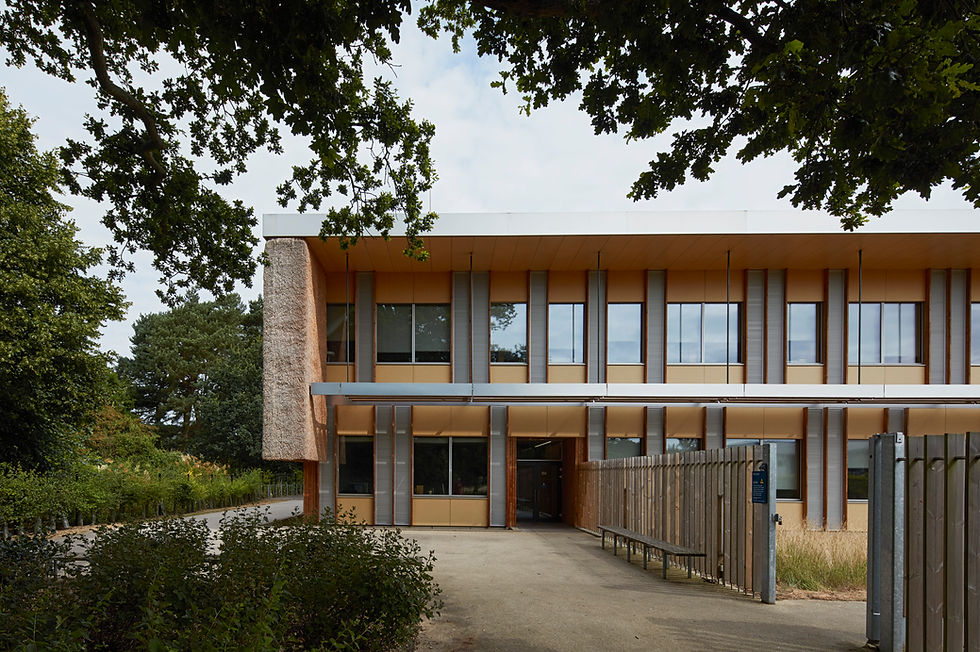
I welcomed the opportunity to demonstrate how we worked with forward-thinking clients to apply a circular economy approach on projects such as the newly opened Harris Academy Sutton for Sutton Council and The Enterprise Centre for The University of East Anglia at recent talks for The Passivhaus Trust, Construction Week 2019, and London Build.
The graphics below show the two projects viewed through the circular economy lens of the ReSOLVE framework developed by The Ellen MacCarthur Foundation, which is a useful checklist for designers, covering radical approaches such as design for deconstruction.


The projects demonstrate the holistic approach we took to protect the planet as much as we can. If buildings like The Enterprise Centre can reduce embodied carbon by 66% compared to a standard build, why can’t they all?
The actions taken include:
specifying natural materials
minimising and exchanging resources
cutting material waste through clear specification
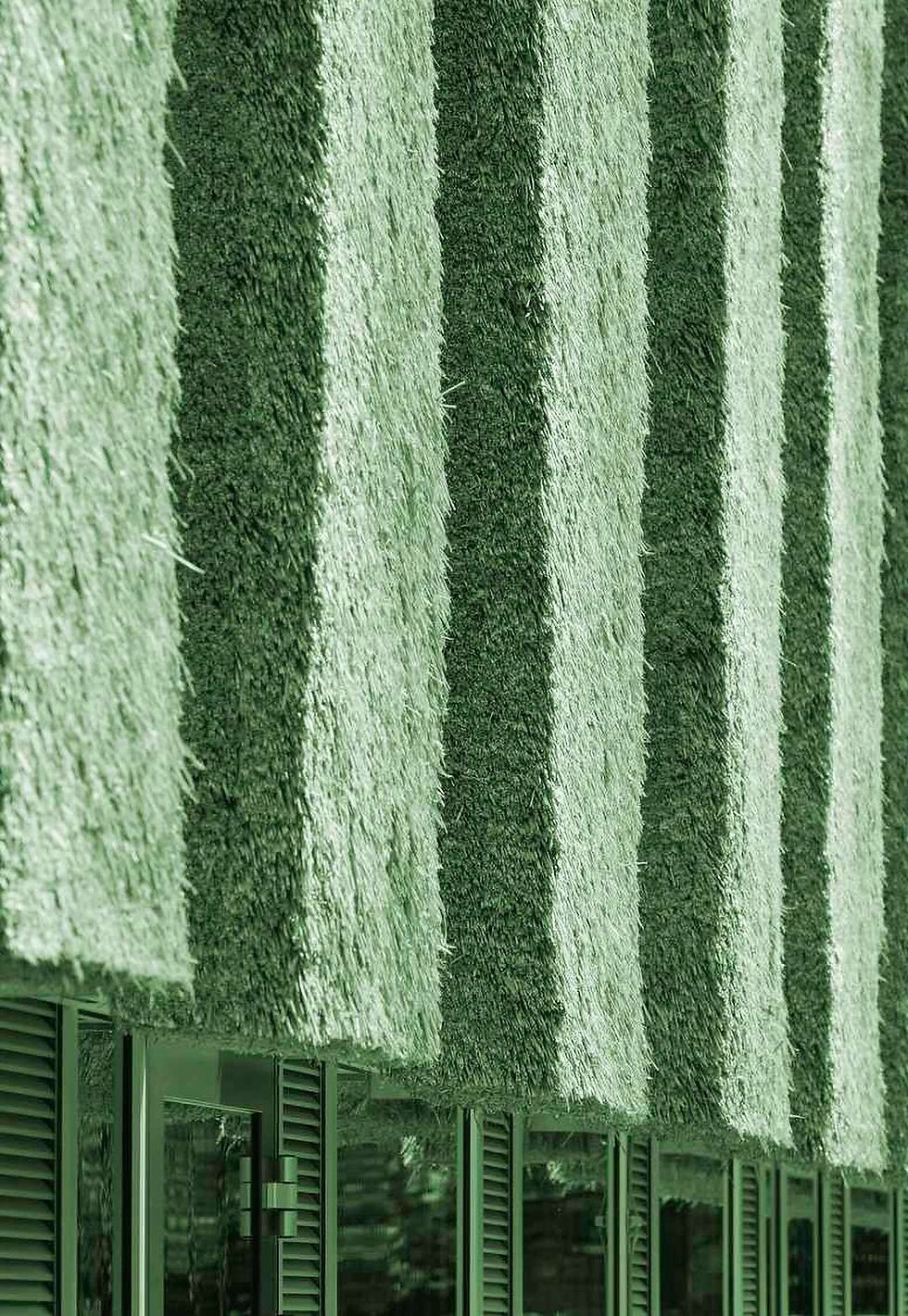
inventive design – for example locally sourced thatched panels
waste reduction through re-use – such as the original Lasdun Iroko laboratory desks being remade into cladding
using technology such as our ECCOlab cost and carbon software tool
As the UN has warned, the world continues to heat up at an alarming rate. Let’s not waste the next ten years talking about what we might do, when we already have so many of the solutions. Before the planet does spin out of control, why don’t we stop thinking along destructive lines, and start embracing the circles.

Christian Dimbleby - Associate, Architect & Chartered Engineer MEng(Hons) DipArch CEng MCIBSE.
Related articles

.jpeg)

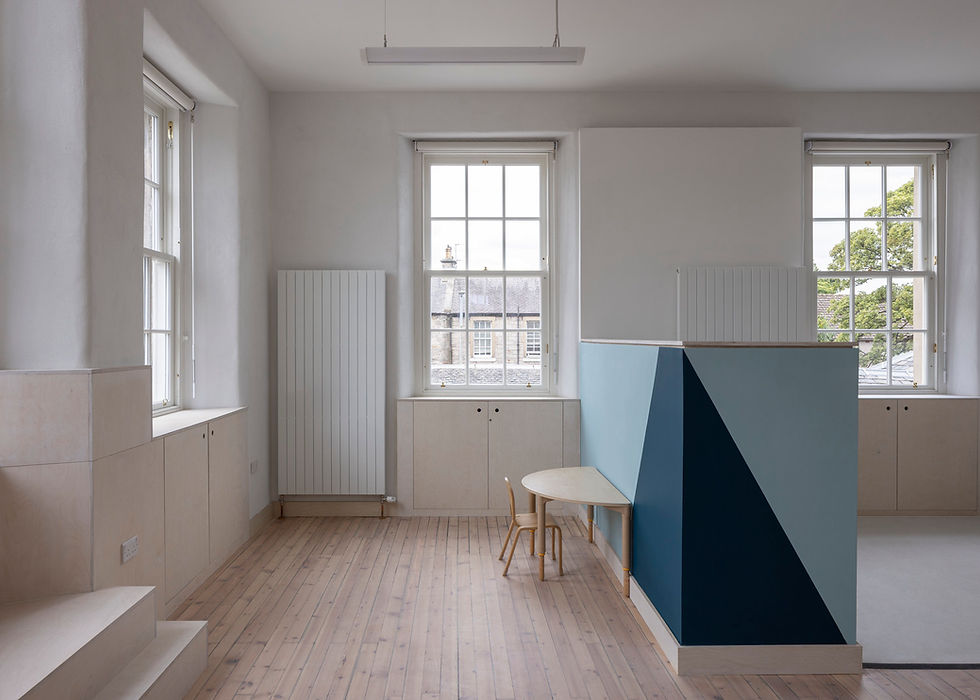
Our elegant retrofit of Liberton Nursery has been named a finalist in the Edinburgh Architectural Association's 2026 Awards
Liberton Nursery
Schools
Architecture
Material Impacts
Crafting High Performance Retrofit
News
Liberton Nursery recognised by the Edinburgh Architectural Association
Helen Murray
21 Sept 2026
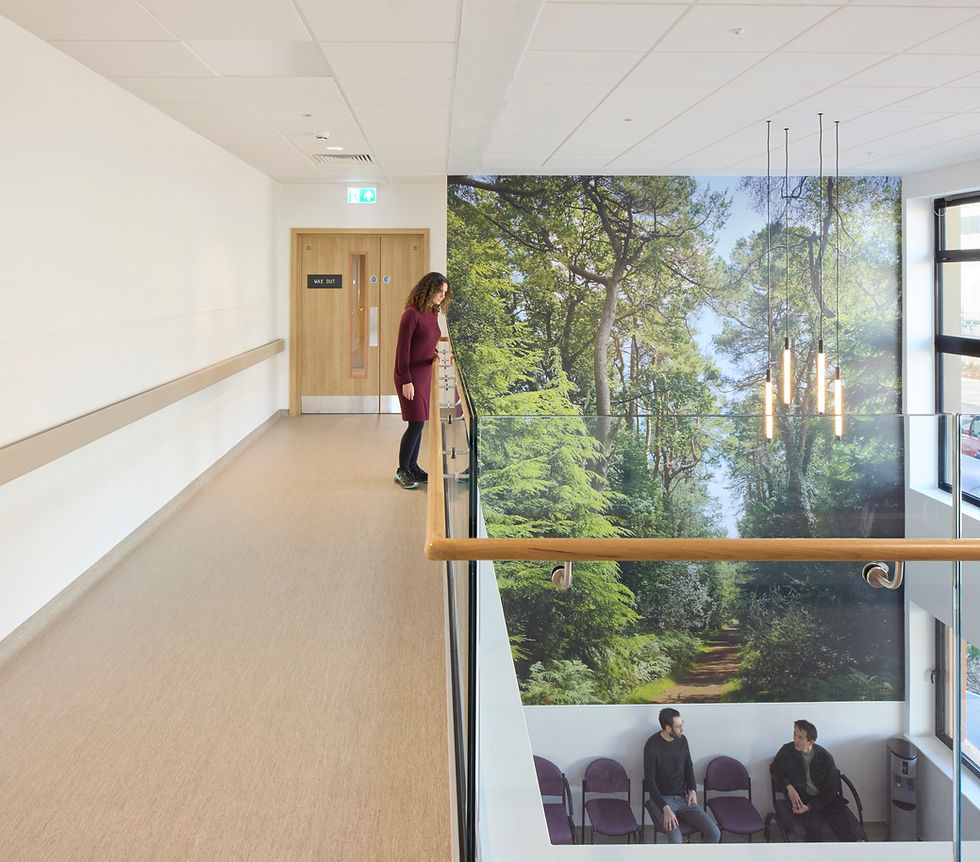
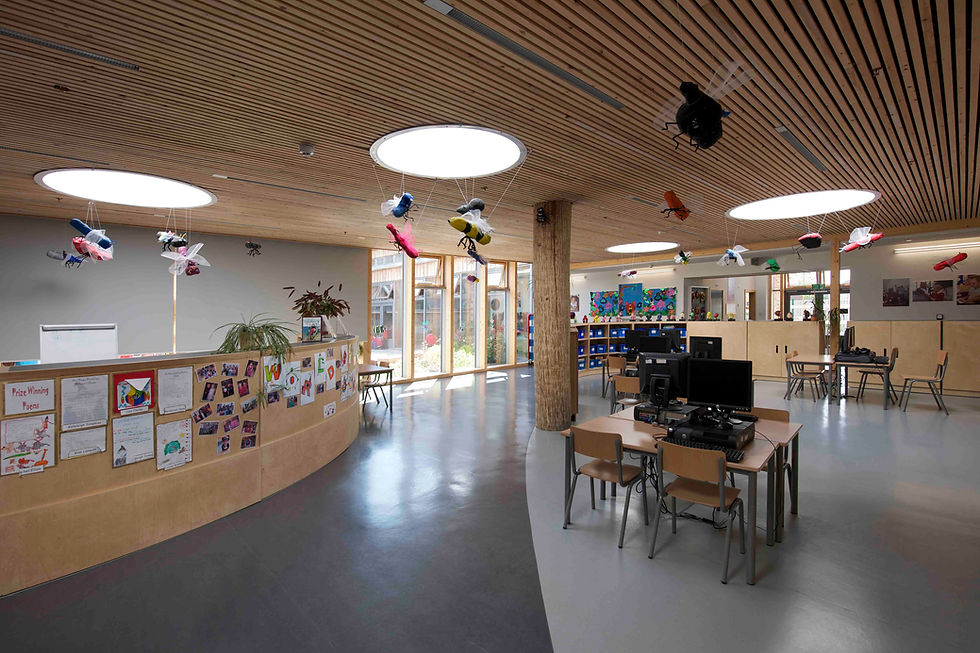



Co-owners Sioned Holland and Dr Chryssa Thoua spoke to RIBA about designing healthy, resilient schools as part of a professional feature educating architects on key strategies.
Mulberry Academy London Docks
Harris Academy Sutton
Hackbridge Primary School
Building Physics
Building Performance
Climate Resilience
Publication
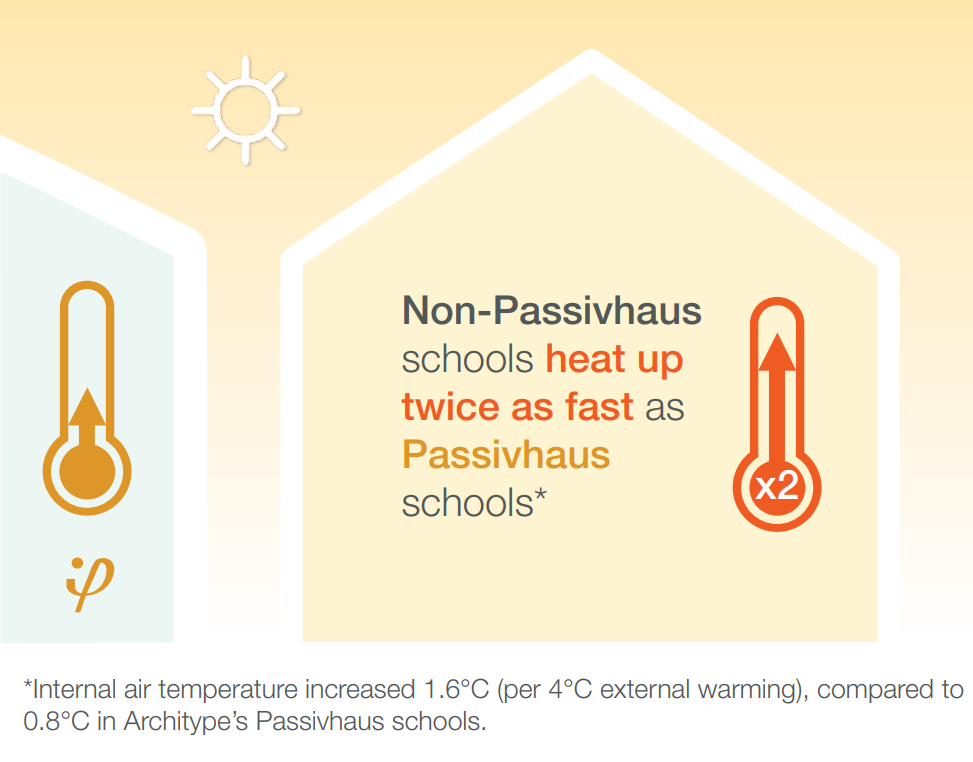
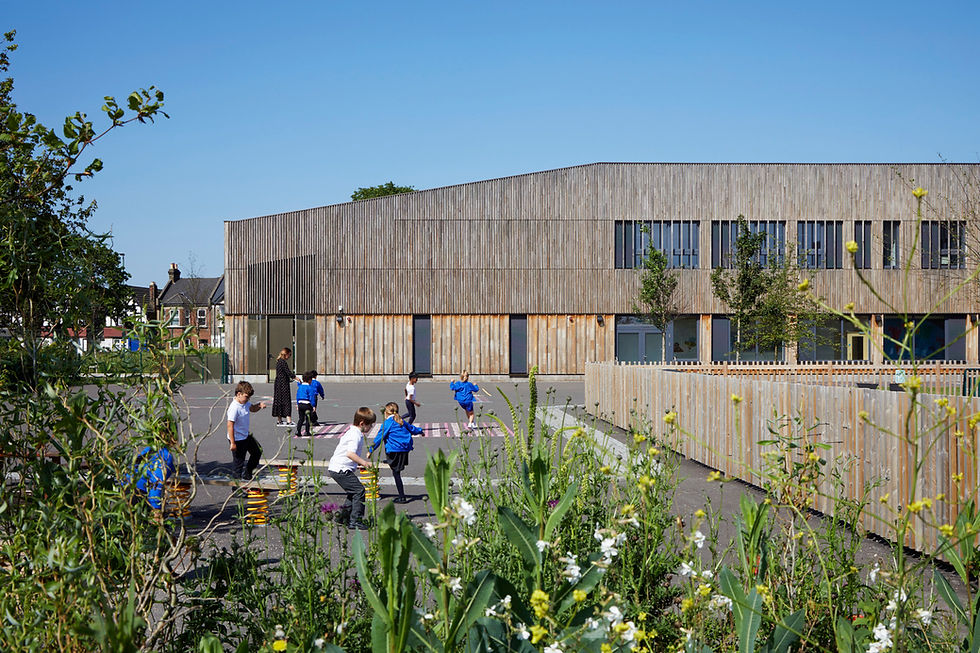
An architect's guide to heatwave resilience
Sioned Holland
Chryssa Thoua
30 Jul 2026
2_tiff.png)
Join us on Thursday 9th July at 1pm as we talk through this innovative new tool that aims to empower local authorities to make real, data-informed decisions about their estates.
Research & Consultancy
Passivhaus
EnerPHit informed Retrofit Planning
Event
Launching the Estate Retrofit Toolkit
Architype
2 Jul 2026
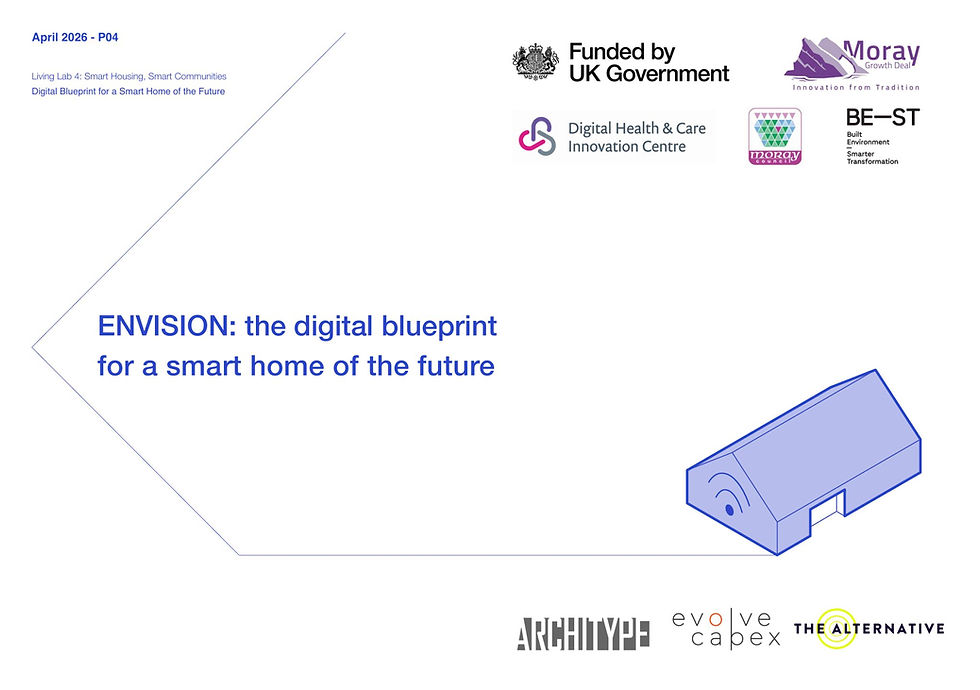
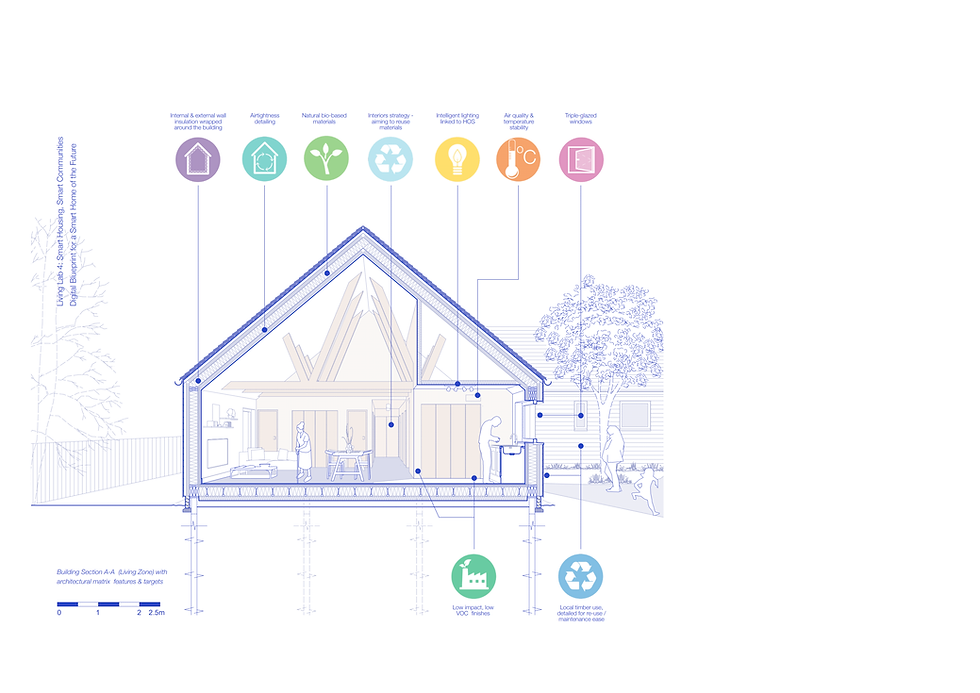
We're excited to support the launch of our collaboration on Envision: the digital blueprint for the smart home of the future with the Digital Health & Care Innovation Centre on 2nd June
Living
Research & Consultancy
Event
Launch of the Smart Home Digital Blueprint – secure your place now
Architype
19 May 2026

The Royal Agricultural University's new Innovation Village, a low-carbon research, development and entrepreneurship hub, has been granted outline planning
RAU Innovation Village
Higher Education
Passivhaus
Net Zero Carbon Estates Strategies
News
RAU's Innovation Village granted outline planning
Helen Murray
14 May 2026




We are thrilled to celebrate Chyssa Thoua on passing her viva for her PhD research into the total health performance of primary schools in the UK
Research & Consultancy
Material Impacts
Healthier Buildings
Building in Biodiversity
Innovating with Natural Materials
News
Celebrating Chryssa's academic success
Architype
23 Feb 2026
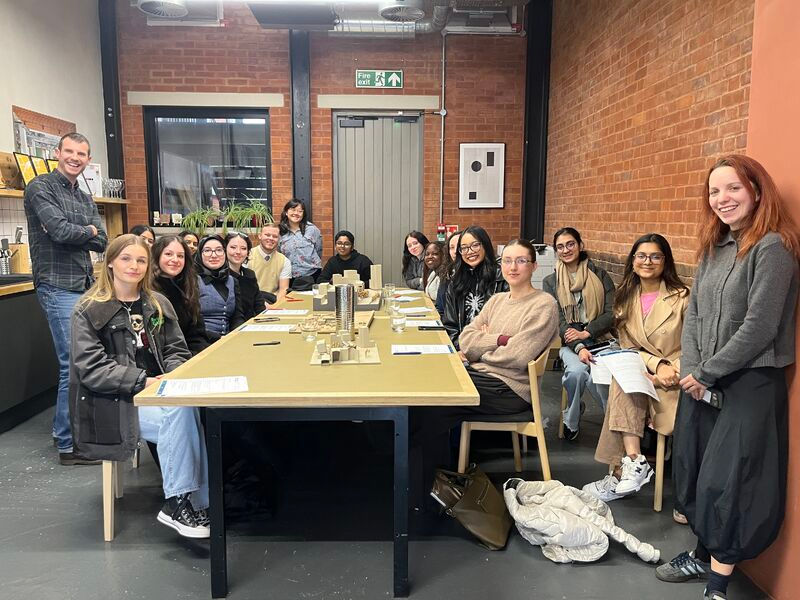

West Park, a new purpose-built student accommodation for The University of Exeter, has become the first of its kind to achieve WELL Residence pre-certification.
West Park and Birks Grange Village Student Housing
Living
Healthier Buildings
News
West Park development achieves WELL Residence precertification
Helen Murray
4 Dec 2025
The new Currie Community High School in Edinburgh recently opened its doors, making history as one of Scotland’s first Passivhaus secondary schools; a significant milestone in the UK’s low-energy design agenda.
Currie Community High School
Article
Currie opens, Part 1: The Commitment Brief
Jorge Barreno Cardiel
1 Dec 2025
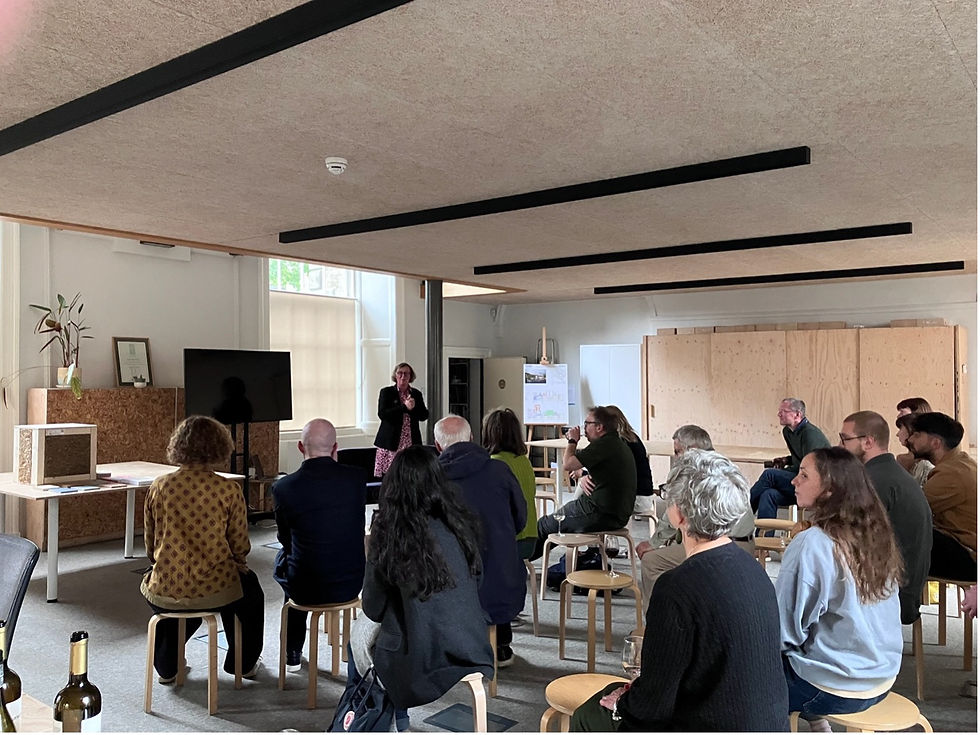
Architype’s Edinburgh studio hosted a film evening as part of 2025’s Architecture Fringe welcoming researchers from UK Treescapes, Deirde Heddon and Rachel Clive along with collaborators and members of the public.
News
Cultivating Reciprocal Connections: Looking Back on a Film Evening with UK Treescapes during Architecture Fringe 2025
Architype
26 Aug 2025
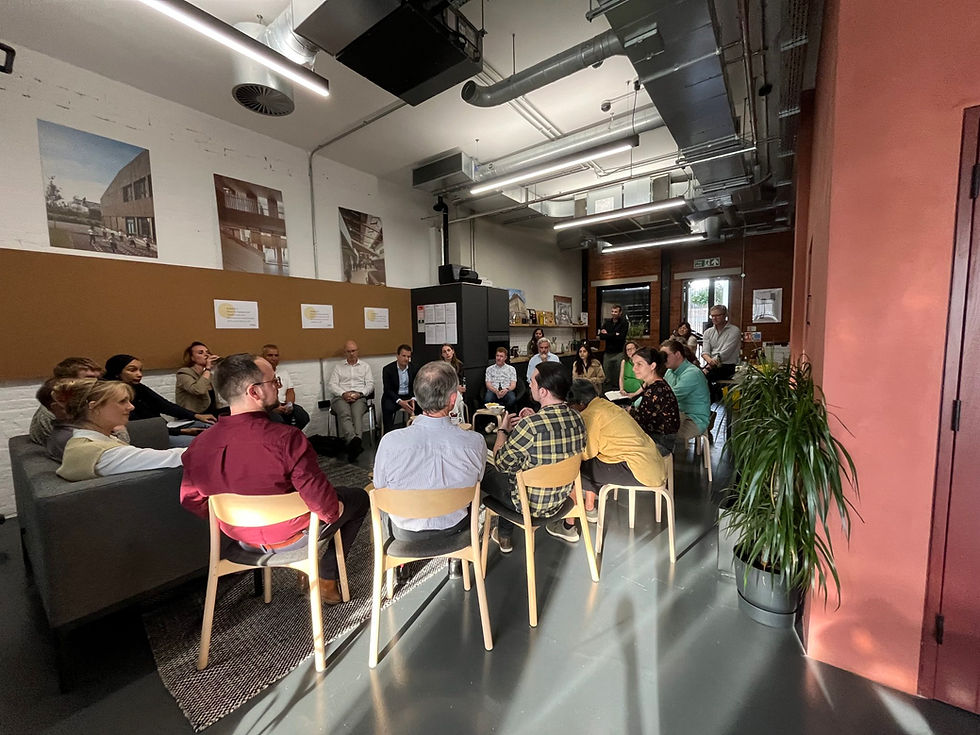
Architype welcomed collaborators to our London Studio for a roundtable discussion between actors at key stages of the material reuse journey
The Entopia Building
Transitioning to a Circular Economy
Article
Disrupting Circular Conversations: A Deconstruction and Material Reuse Roundtable
Architype
31 Jul 2025







.jpg)