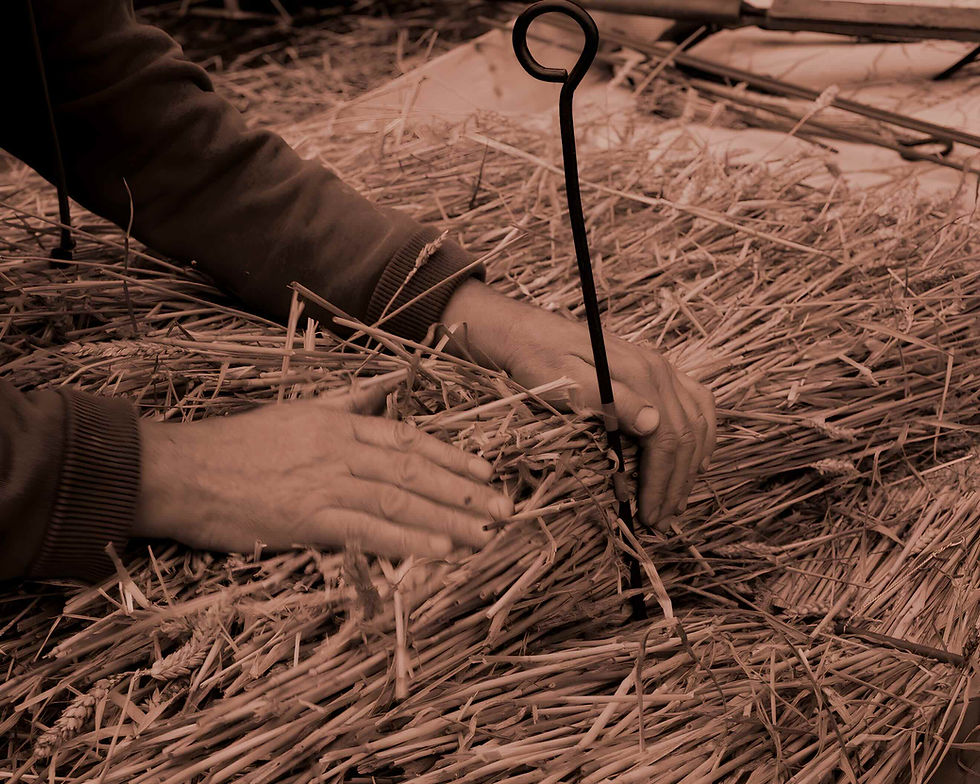
Architectural Designer Jemma Ho reflects on her recent experience on NMITEs newly Timber Engineering Design 12-week course, dedicated to providing practical knowledge that highlights the wider value of timber – far beyond structural building use.
Why timber?
We have a wealth of trees within the UK but how are we, as built environment professionals, making the most of them?
In the last century, the UK construction industry has been heavily influenced by steel production which forms a major contributor to the overall built environment, emitting ~40% of greenhouse gas (GHG) emissions – but it doesn’t have to be this way now or in the future.
It’s time to shift this way of building in a more sustainable direction: a future where bio-based resources can be greater utilised and holistically regenerative for both communities and planet.

Left: Thinning of trees – can we more actively utilise this resource beyond firewood?
Right: Can ‘waste’ such as wood shavings be a product of higher value?
What we know so far
At present, the area of woodland in the UK is estimated to be 3.25 million hectares. This represents 13% of total land area. Forest Research demonstrates this as: 19% in Scotland; 15% in Wales; 10% in England; and 9% in Northern Ireland.
In Wales, one third of the woodland coverage is publicly owned by the Welsh Government Woodland Estate and managed by NRW (Natural Resource Wales), whilst the remaining two thirds are privately owned. This means a large proportion of the Welsh woodlands are at a continued threat of being fragmentedly managed for: conservation of wildlife; significance of biodiversity; and mitigation of diseases and invasive species on the trees themselves.
Added to this, there is a dangerously insufficient amount of skilled force prepared to tackle, maintain, and to grow the existing woodland estates – this must change to sustain our ever-changing climate challenges.

Above: Sitka spruce seedlings process observed from nursery tour with Timber TED course.
So, what can we do about this?
It starts with up-skilling and re-skilling all those who are directly and indirectly able – starting with education.
The ‘Timber Technology Engineering Design 1’ course
I recently completed a 12-week CPD ‘Timber Technology Engineering Design 1’ (TED) course delivered by The New Model Institute for Technology and Engineering (NMITE). I was impressed with the incredible amount of insightful knowledge about regenerative time use, but what contributed to the richness of this course was the intrinsic cross-disciplinary exchange of knowledge - as well as the highly skilled and diverse teaching team.

Left: Practical hands-on design tasks to engage with timber and understand its characteristics for structural use. Right: Douglas Fir stacked for drying and grading – on tour with Timber TED course
The course provided a holistic approach, spanning climate and biological timber literacy to practical hands-on briefs in NMITE’s Skylon Park and the Centre for Advanced Timber Technology (CATT) workshop.
The course entailed:
designing structures using timber (traditional and engineered)
awareness and understanding of the biology of types of wood
addressing various sustainability goals, frameworks, and competencies required in the built environment.
In the first week alone our group toured, in-person, a nursery, woodland, and a active sawmill ranging from the processes of seed to mill to product. This was used as a mechanism to engage learners, to understand the tree as more than just the product. We explored the wider industry context surrounding timber, enhancing our environmental awareness as well as encouraging us to consider its lifecycle before, during, and after structural use.
A holistic approach to designing with timber
Engaging with a material practically - rather than solely on computer - allowed me to harness not only craftsmanship skills, but also engaged tactile senses that drove a better understanding of the responsibilities that come with using such a precious natural resource.

To increase the use of timber, we must see beyond the benefits of it solely being produced for just the product, but rather see the ecological and climatical environments that it creates and nurtures along with its growth. There needs to be a balance of both people and nature. Timber can no longer be seen as just a building product; it has values in job prosperity, resilient land uses, carbon capture and storage benefits, homes and habitats for wildlife to flourish and not to mention it brings so much more delight to our buildings.
Taking on a holistic approaches where varied avenues are explored offers lenses that are intrinsic to one another. This course is essential for industry professionals, as these are the people at the forefront for advocating and making healthy changes for our built environments.
Together, with this course and my studies at the Centre for Alternative Technology (CAT) in Machynlleth, I left with an even greater understanding that timber plays a much larger role in the built environment, far beyond aesthetics – and the knowledge that we must tackle the climate and economic crises as one rather than fragmentedly.

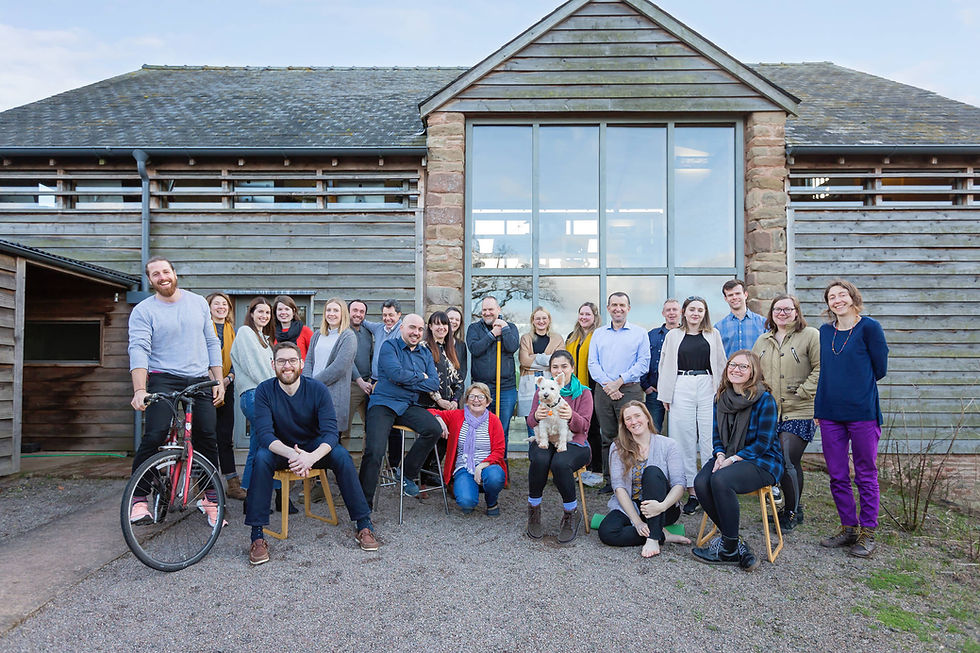
Words and photography: Jemma Ho; Portrait of Jemma and classmates: NMITE/CATT
Related articles

.jpeg)

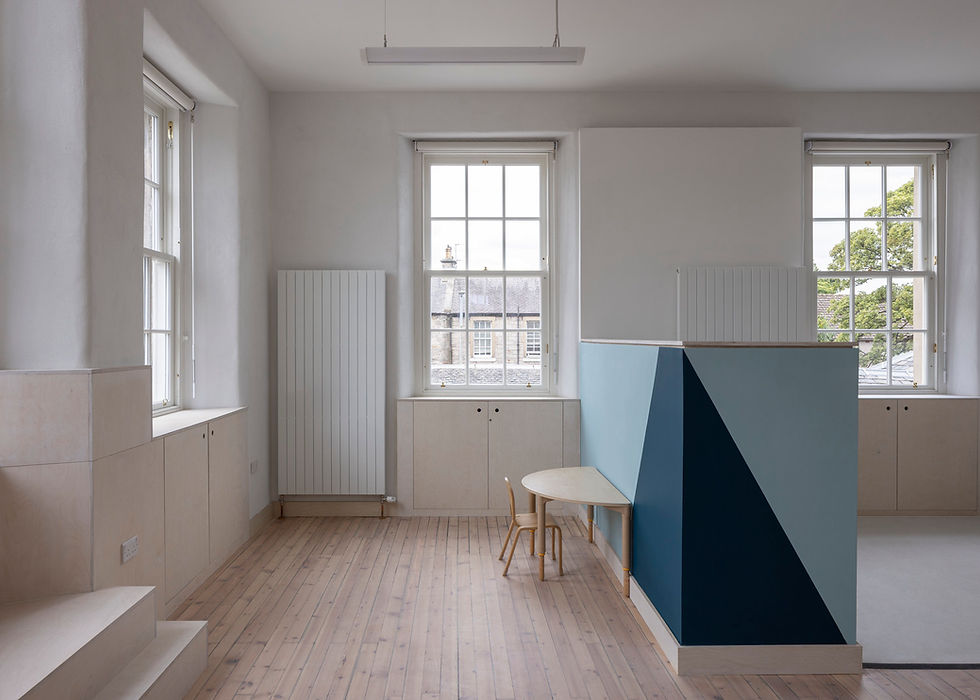
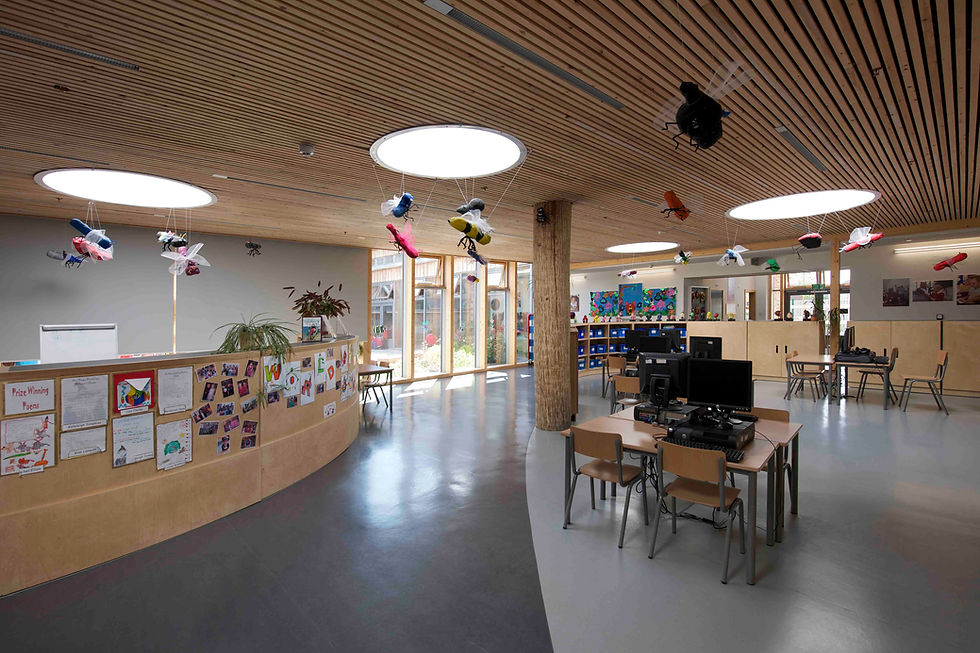
Our elegant retrofit of Liberton Nursery has been named a finalist in the Edinburgh Architectural Association's 2026 Awards
Liberton Nursery
Schools
Architecture
Material Impacts
Crafting High Performance Retrofit
News
Liberton Nursery recognised by the Edinburgh Architectural Association
Helen Murray
21 Sept 2026
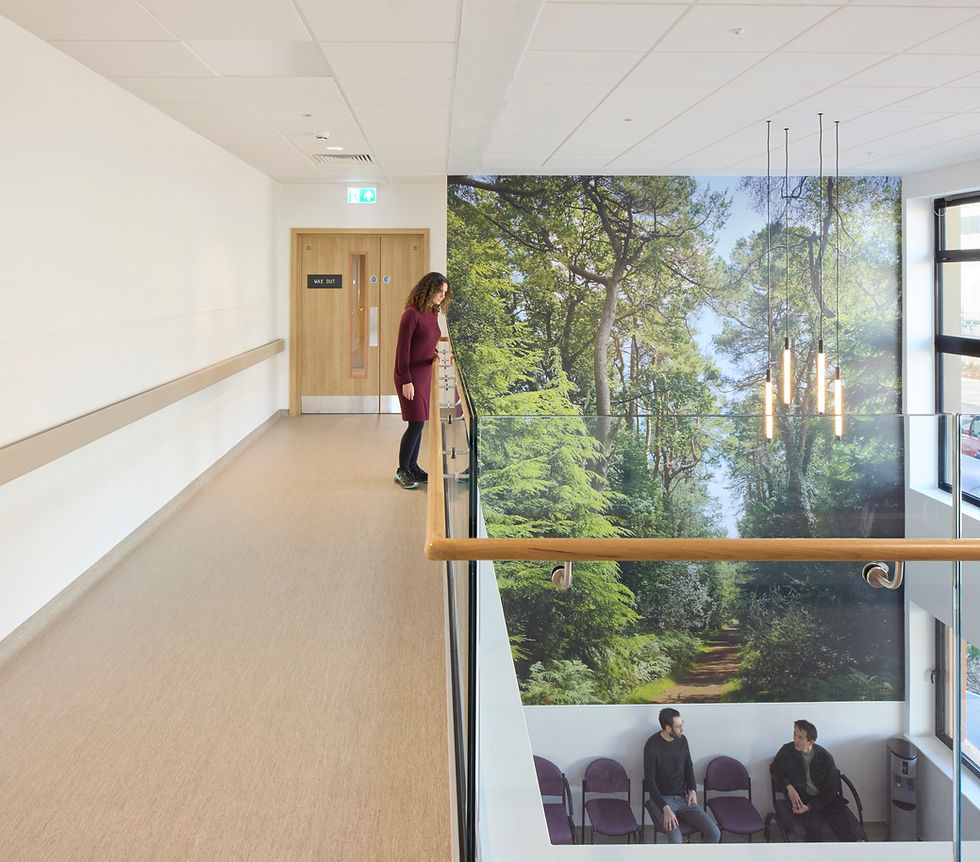



Co-owners Sioned Holland and Dr Chryssa Thoua spoke to RIBA about designing healthy, resilient schools as part of a professional feature educating architects on key strategies.
Mulberry Academy London Docks
Harris Academy Sutton
Hackbridge Primary School
Building Physics
Building Performance
Climate Resilience
Publication
An architect's guide to heatwave resilience
Sioned Holland
Chryssa Thoua
30 Jul 2026
2_tiff.png)
Join us on Thursday 9th July at 1pm as we talk through this innovative new tool that aims to empower local authorities to make real, data-informed decisions about their estates.
Research & Consultancy
Passivhaus
EnerPHit informed Retrofit Planning
Event
Launching the Estate Retrofit Toolkit
Architype
2 Jul 2026
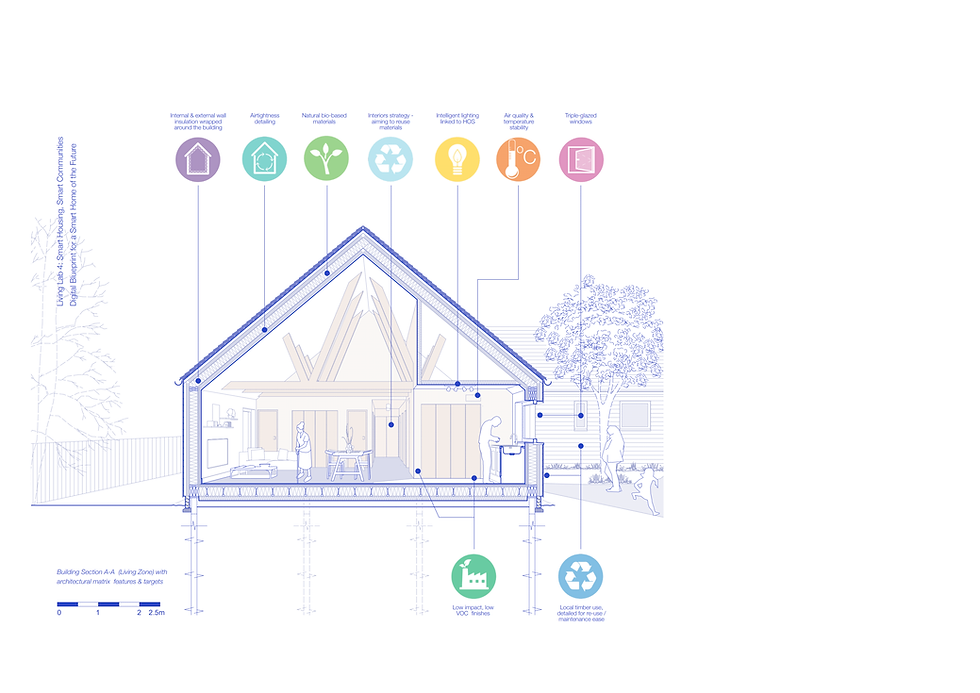
We're excited to support the launch of our collaboration on Envision: the digital blueprint for the smart home of the future with the Digital Health & Care Innovation Centre on 2nd June
Living
Research & Consultancy
Event
Launch of the Smart Home Digital Blueprint – secure your place now
Architype
19 May 2026

The Royal Agricultural University's new Innovation Village, a low-carbon research, development and entrepreneurship hub, has been granted outline planning
RAU Innovation Village
Higher Education
Passivhaus
Net Zero Carbon Estates Strategies
News
RAU's Innovation Village granted outline planning
Helen Murray
14 May 2026




We are thrilled to celebrate Chyssa Thoua on passing her viva for her PhD research into the total health performance of primary schools in the UK
Research & Consultancy
Material Impacts
Healthier Buildings
Building in Biodiversity
Innovating with Natural Materials
News
Celebrating Chryssa's academic success
Architype
23 Feb 2026
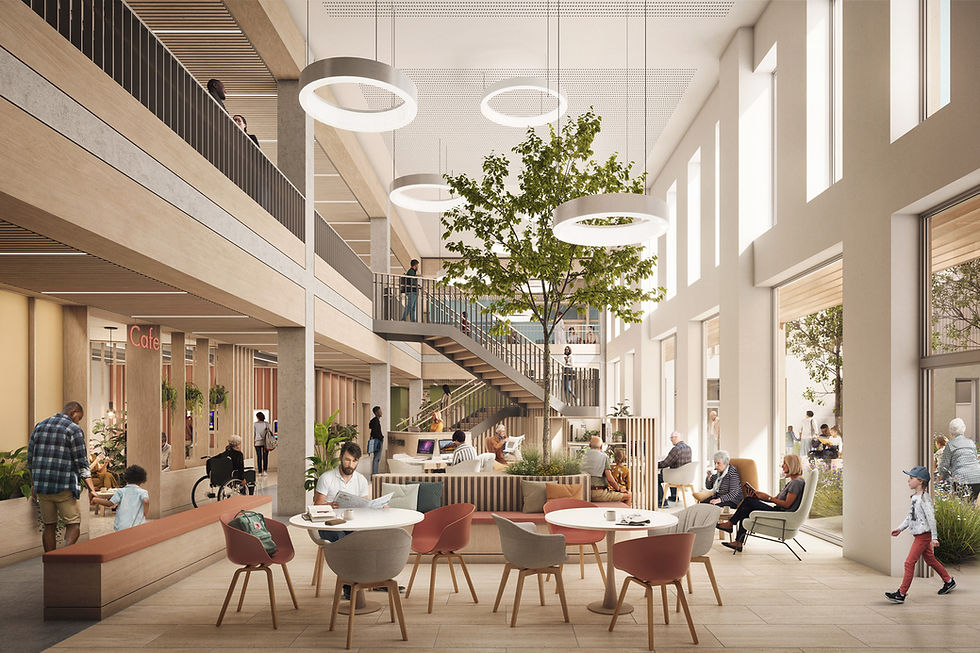

West Park, a new purpose-built student accommodation for The University of Exeter, has become the first of its kind to achieve WELL Residence pre-certification.
West Park and Birks Grange Village Student Housing
Living
Healthier Buildings
News
West Park development achieves WELL Residence precertification
Helen Murray
4 Dec 2025
The new Currie Community High School in Edinburgh recently opened its doors, making history as one of Scotland’s first Passivhaus secondary schools; a significant milestone in the UK’s low-energy design agenda.
Currie Community High School
Article
Currie opens, Part 1: The Commitment Brief
Jorge Barreno Cardiel
1 Dec 2025
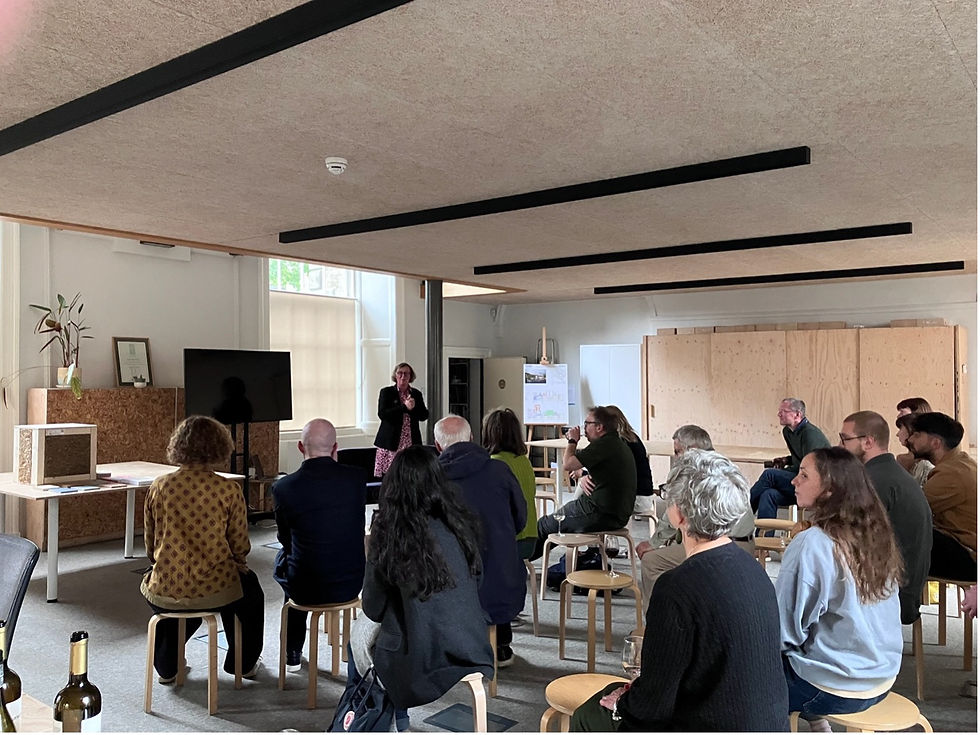
Architype’s Edinburgh studio hosted a film evening as part of 2025’s Architecture Fringe welcoming researchers from UK Treescapes, Deirde Heddon and Rachel Clive along with collaborators and members of the public.
News
Cultivating Reciprocal Connections: Looking Back on a Film Evening with UK Treescapes during Architecture Fringe 2025
Architype
26 Aug 2025
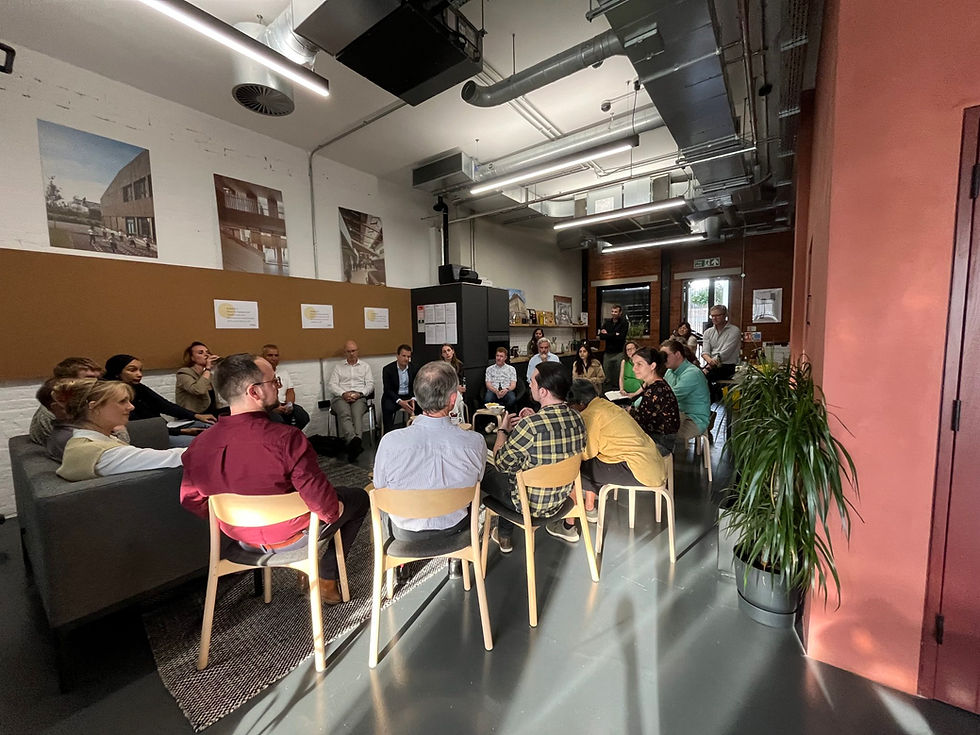
Architype welcomed collaborators to our London Studio for a roundtable discussion between actors at key stages of the material reuse journey
The Entopia Building
Transitioning to a Circular Economy
Article
Disrupting Circular Conversations: A Deconstruction and Material Reuse Roundtable
Architype
31 Jul 2025






.jpg)