
Industries such as aviation, car or phone manufacturers would never think of developing a new product without understanding the performance and weaknesses of previous models. So why is it that the construction industry is so bad at examining its products in use and learning from them?
What is Building Performance Evaluation?
Building Performance Evaluation (BPE) refers to the analysis of a building’s performance across numerous parameters such as energy use, CO2 levels and user comfort. Going also by the term Post Occupancy Evaluation (POE), Building Performance Evaluation refers to the evaluation of a building’s performance across numerous parameters, typically over a period of time. BPE distinguishes itself from POE because you don’t need to wait until the building is complete to begin the process.
At Architype we have been using evaluation to constantly improve how buildings work and to help avoid the typically woeful industry-wide performance gap. This gap can be summarised by the performance targets estimated at design stage that are rarely achieved once the building is in use. For example, research commissioned by Innovate UK in 2016 illustrated that the performance gap in non-domestic UK buildings was two to ten times greater than the design intent; we simply cannot afford to allow performance gaps to continue if we are going to achieve climate targets.
In our experience, it is much more effective to commit to evaluation from the outset of the project to deliver a high performing building. One that doesn’t waste energy or resources, that isn’t costly to maintain, and is a delight to experience, with great acoustics, natural daylight and fresh air.
From my own industry experience, I have seen evaluation techniques being invaluable at analysing the existing building stock of a client, or selected precedent projects, to inform a tailored and rigorous project brief. This is because it more accurately establishes the ultimate spatial and performance requirements – i.e. how much energy do you want to use or how much space do you need for certain tasks.
So if BPE is so powerful, why don’t we see it being used more? This is partly driven by concern amongst some about unearthing defects or performance shortfalls. However, if problems exist, they are there irrespectively and proactively managing them can result in lower overall impact in the long term. Helping to identify these can prevent minor defects from accumulating to become significant problems e.g. unnecessary operational costs or damage from water ingress.
For more of an introduction into what Building Performance Evaluation offers, take a look at our new one-pager.
Building Performance Evaluation and Net Zero Carbon
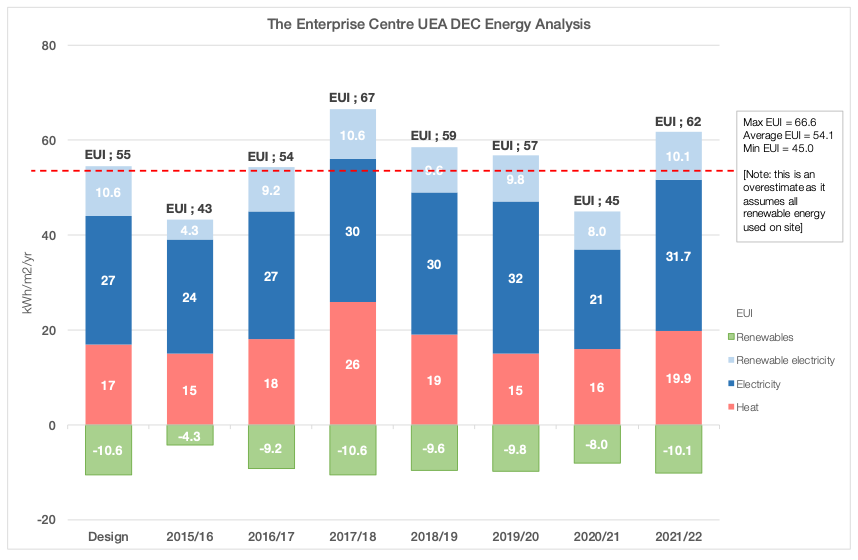
With the international pursuit of net zero carbon solutions, it is inevitable that the next decade will see many new ideas being explored to reduce both operational and embodied impacts. Building Performance Evaluation offers the key to evaluating whether these efforts hit the targets we need and offer clients and project teams a robust process to demonstrate that their buildings ‘walk the talk’.
Standardisation
The publication of the British Standard 40101 (BS40101) in 2022 has brought a much-needed standardisation, providing confidence to clients and highlighting what they can expect from Building Performance Evaluation. It establishes three tiers of scope; Preliminary, Light, and Standard, clearly outlining the activities both for evaluating individual buildings, and cohorts of buildings – ideal for estate-wide retrofit evaluations. We’ve created the workflow diagram below for communicating to clients how we sequence these various activities.

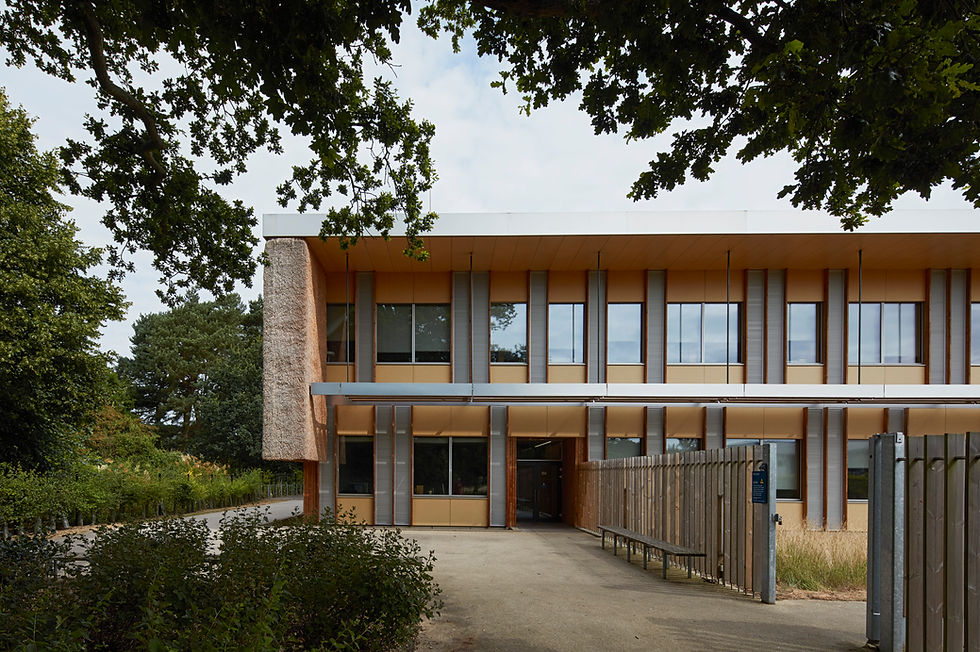
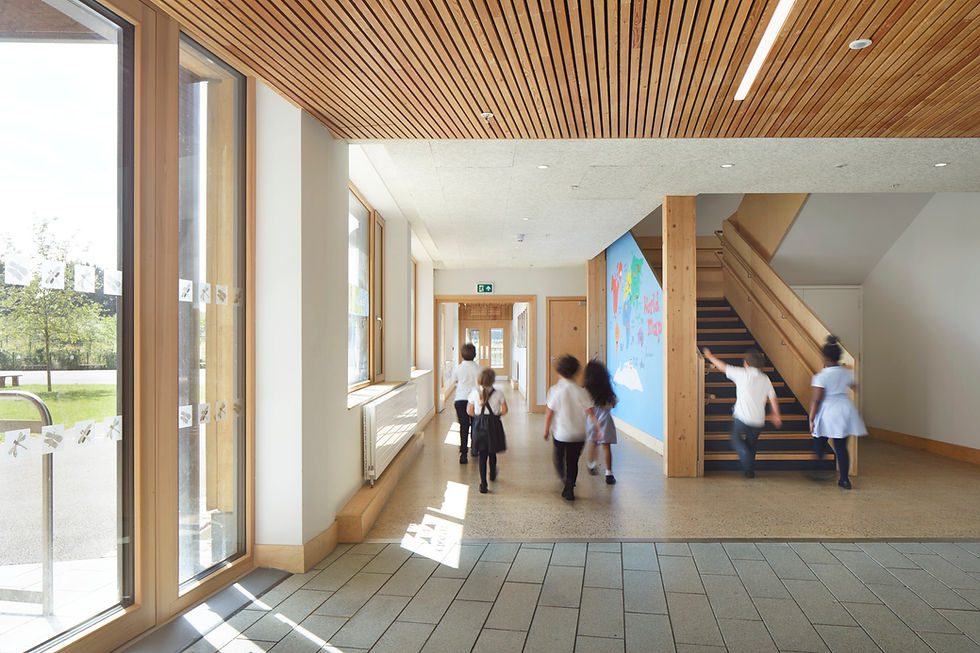
Even more powerfully than this, BS40101 provides an approachable ‘how-to’ manual of undertaking evaluation and should be seen by the industry as a powerful enabler in getting buildings to work better. It demystifies what evaluating building performance consists of, splitting tasks into qualitative studies like user feedback workshops, and quantitative studies like energy meter readings and CO2 monitoring, as demonstrated on our initial Passivhaus schools here.
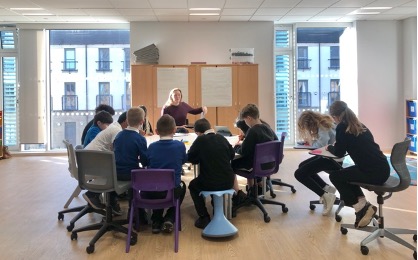
We have been using the BS40101 standard on current projects including the analysis of three recently completed primary schools for the City of Edinburgh Council who have used the findings of evaluations across their schools to iteratively inform the briefs for the next generation of schools. Findings spanned how and why spaces were being used in alternative ways to their design intent, including implications for procurement decisions, and the environmental characteristics and performance of spaces and systems.
Beyond the three established tiers are a wealth of investigative BPE options that BS40101 outlines, intended to support further bespoke evaluation into specific building aspects which may have only come to light through the initial programme. For example, BS40101 can be deployed in various permutations to align with specific objectives such as the relationship between perceived user thermal comfort, heat demand data, and in-situ U-value measurement.
We have employed these investigative options on our completed projects, such as using an array of sensors paired to our cloud-based portal allowing clients and our designers to quantitatively understand performance in use and help identify optimisations. This was recently deployed at the Welshpool Church in Wales Primary School where the small power energy usage was able to be halved, contributing towards achieving savings of £60,000 a year in running costs when compared to a typical school in the area.

Next steps for the industry
Standardisation of evaluation means that workflows, techniques, and lessons learned can be applied and shared more consistently, supporting vital industry progress. We have already seen it provide greater clarity to clients, and we hope that it can also help more designers and consultants begin providing this service and learning from its powerful findings.
We believe the British Standard 40101 has the potential to increase the uptake of evaluation across the built environment to support the outcomes we need to achieve, both for people, but more importantly for the planet.
Seb Laan Lomas is an associate, Passivhaus designer and member of our Perform+ consultancy team. If you are interested in discussing how Building Performance Evaluation could help optimise your projects or assets, our Perform+ team are happy to help. For a free one-hour chat about your challenges and opportunities, please contact: perform@architype.co.uk
More information
For those interested in learning more, the Built Performance Network is a valuable community, membership organisation, and one-stop-shop of resources, Energy People Buildings is a highly informative book, and RIBA has published numerous guides over the years including the Plan for Use guide.
Related articles

.jpeg)

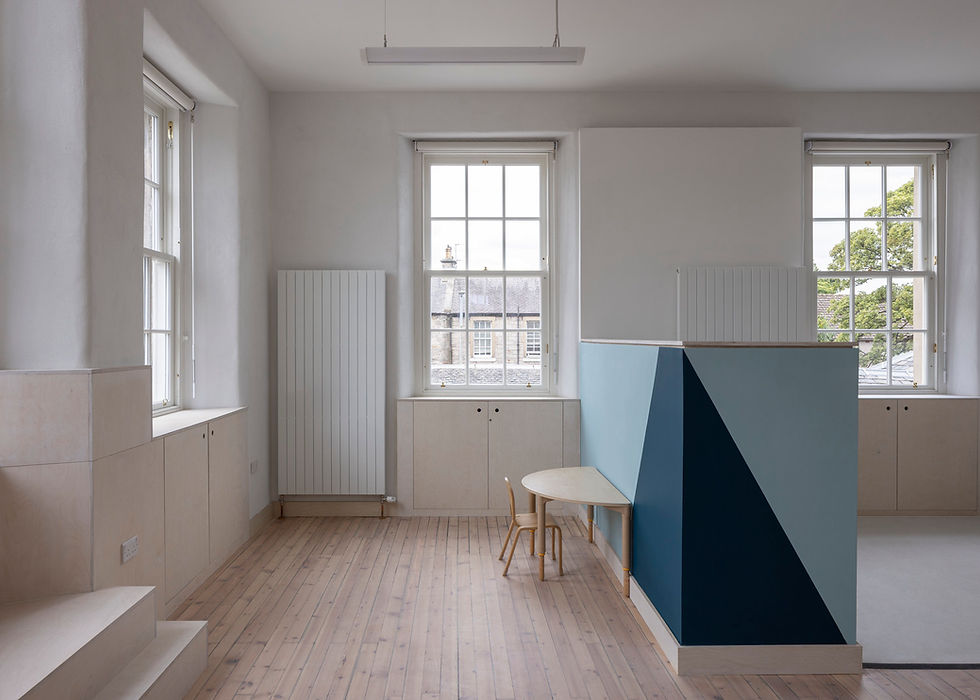
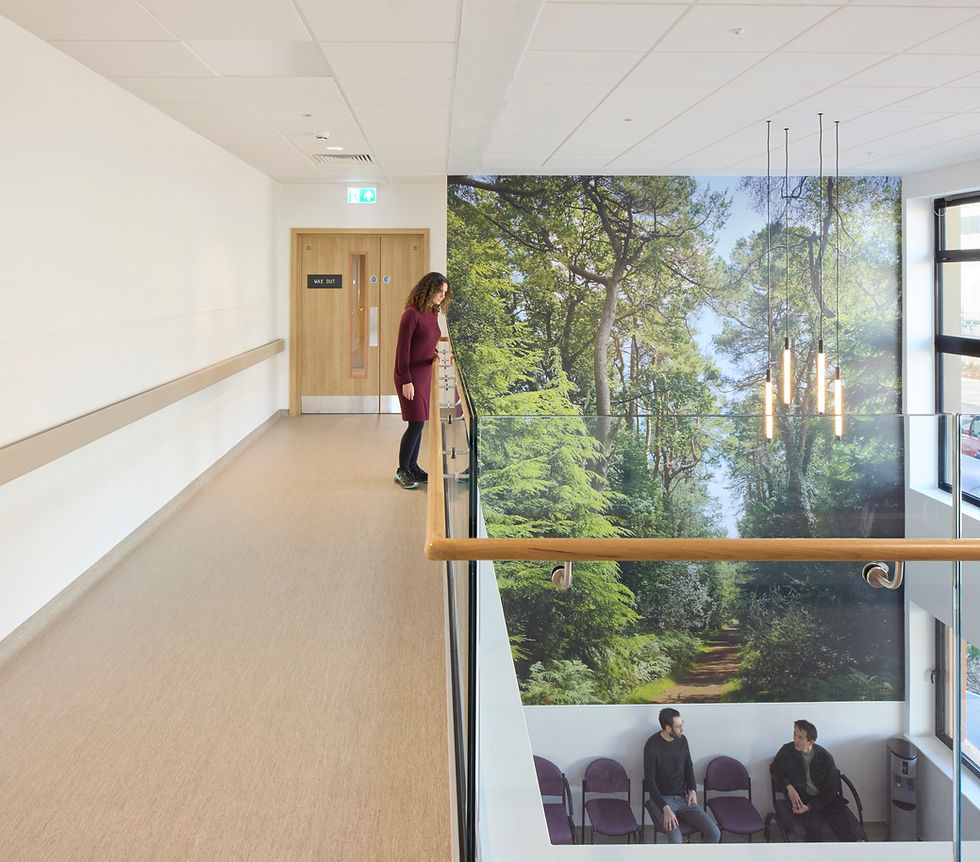
Our elegant retrofit of Liberton Nursery has been named a finalist in the Edinburgh Architectural Association's 2026 Awards
Liberton Nursery
Schools
Architecture
Material Impacts
Crafting High Performance Retrofit
News
Liberton Nursery recognised by the Edinburgh Architectural Association
Helen Murray
21 Sept 2026




Co-owners Sioned Holland and Dr Chryssa Thoua spoke to RIBA about designing healthy, resilient schools as part of a professional feature educating architects on key strategies.
Mulberry Academy London Docks
Harris Academy Sutton
Hackbridge Primary School
Building Physics
Building Performance
Climate Resilience
Publication
An architect's guide to heatwave resilience
Sioned Holland
Chryssa Thoua
30 Jul 2026
2_tiff.png)
Join us on Thursday 9th July at 1pm as we talk through this innovative new tool that aims to empower local authorities to make real, data-informed decisions about their estates.
Research & Consultancy
Passivhaus
EnerPHit informed Retrofit Planning
Event
Launching the Estate Retrofit Toolkit
Architype
2 Jul 2026

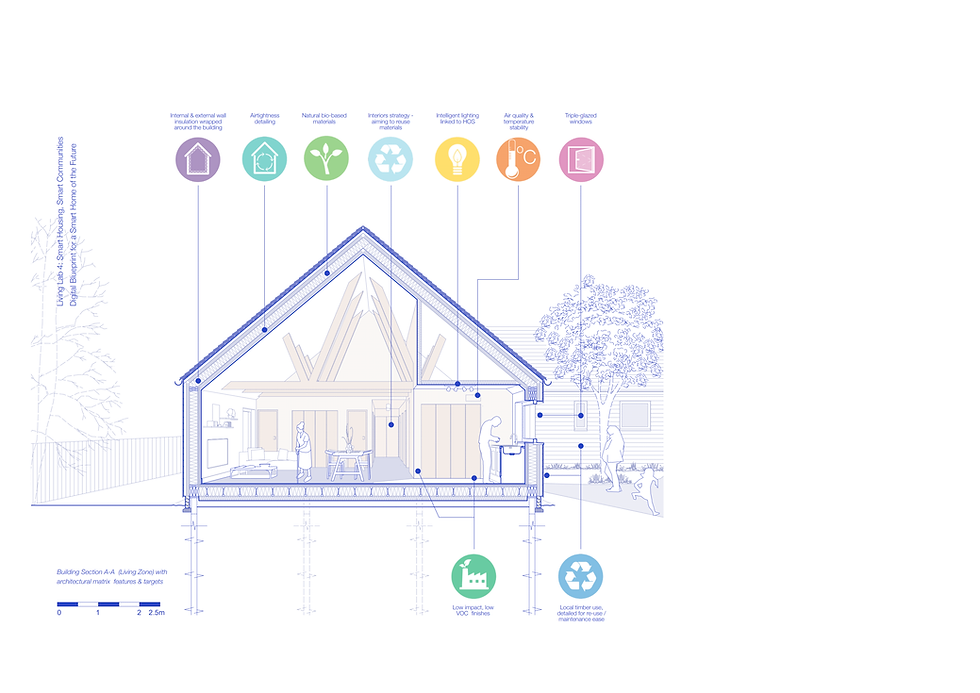
We're excited to support the launch of our collaboration on Envision: the digital blueprint for the smart home of the future with the Digital Health & Care Innovation Centre on 2nd June
Living
Research & Consultancy
Event
Launch of the Smart Home Digital Blueprint – secure your place now
Architype
19 May 2026

The Royal Agricultural University's new Innovation Village, a low-carbon research, development and entrepreneurship hub, has been granted outline planning
RAU Innovation Village
Higher Education
Passivhaus
Net Zero Carbon Estates Strategies
News
RAU's Innovation Village granted outline planning
Helen Murray
14 May 2026





We are thrilled to celebrate Chyssa Thoua on passing her viva for her PhD research into the total health performance of primary schools in the UK
Research & Consultancy
Material Impacts
Healthier Buildings
Building in Biodiversity
Innovating with Natural Materials
News
Celebrating Chryssa's academic success
Architype
23 Feb 2026
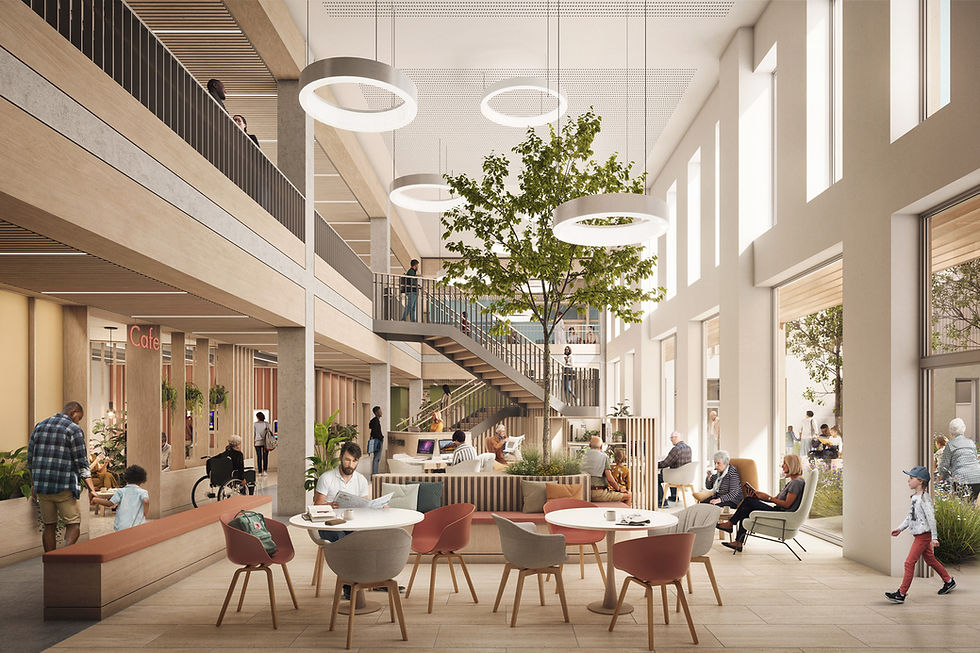
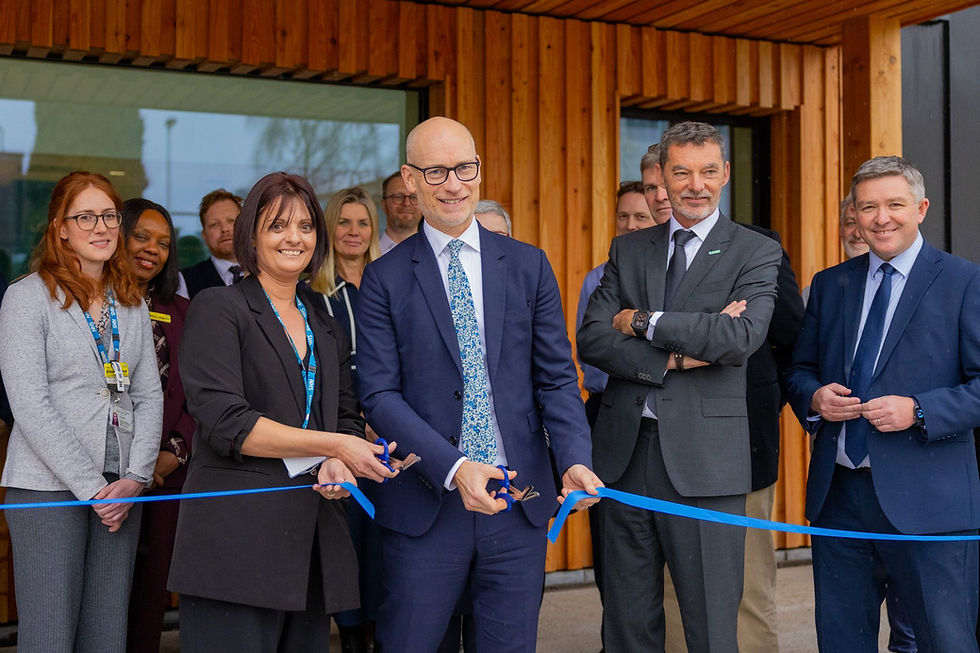


West Park, a new purpose-built student accommodation for The University of Exeter, has become the first of its kind to achieve WELL Residence pre-certification.
West Park and Birks Grange Village Student Housing
Living
Healthier Buildings
News
West Park development achieves WELL Residence precertification
Helen Murray
4 Dec 2025
The new Currie Community High School in Edinburgh recently opened its doors, making history as one of Scotland’s first Passivhaus secondary schools; a significant milestone in the UK’s low-energy design agenda.
Currie Community High School
Article
Currie opens, Part 1: The Commitment Brief
Jorge Barreno Cardiel
1 Dec 2025

Architype’s Edinburgh studio hosted a film evening as part of 2025’s Architecture Fringe welcoming researchers from UK Treescapes, Deirde Heddon and Rachel Clive along with collaborators and members of the public.
News
Cultivating Reciprocal Connections: Looking Back on a Film Evening with UK Treescapes during Architecture Fringe 2025
Architype
26 Aug 2025
Architype welcomed collaborators to our London Studio for a roundtable discussion between actors at key stages of the material reuse journey
The Entopia Building
Transitioning to a Circular Economy
Article
Disrupting Circular Conversations: A Deconstruction and Material Reuse Roundtable
Architype
31 Jul 2025








.jpg)