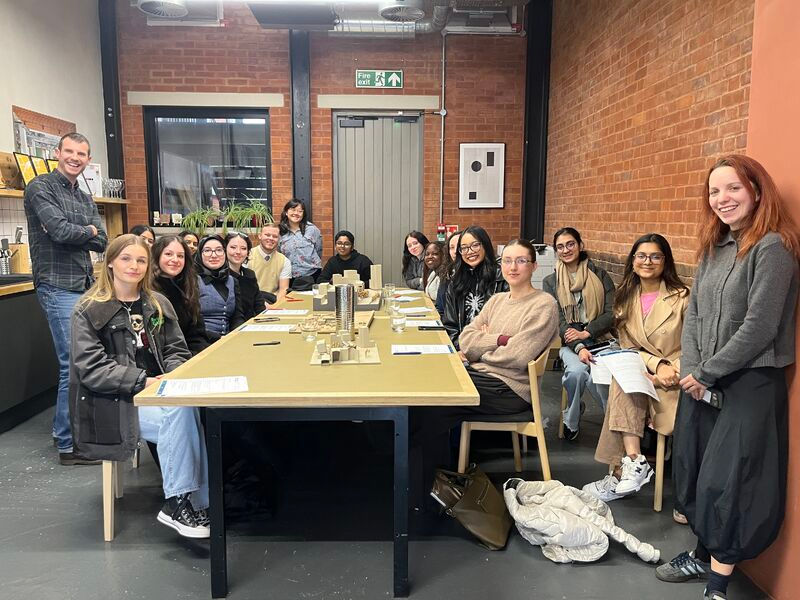
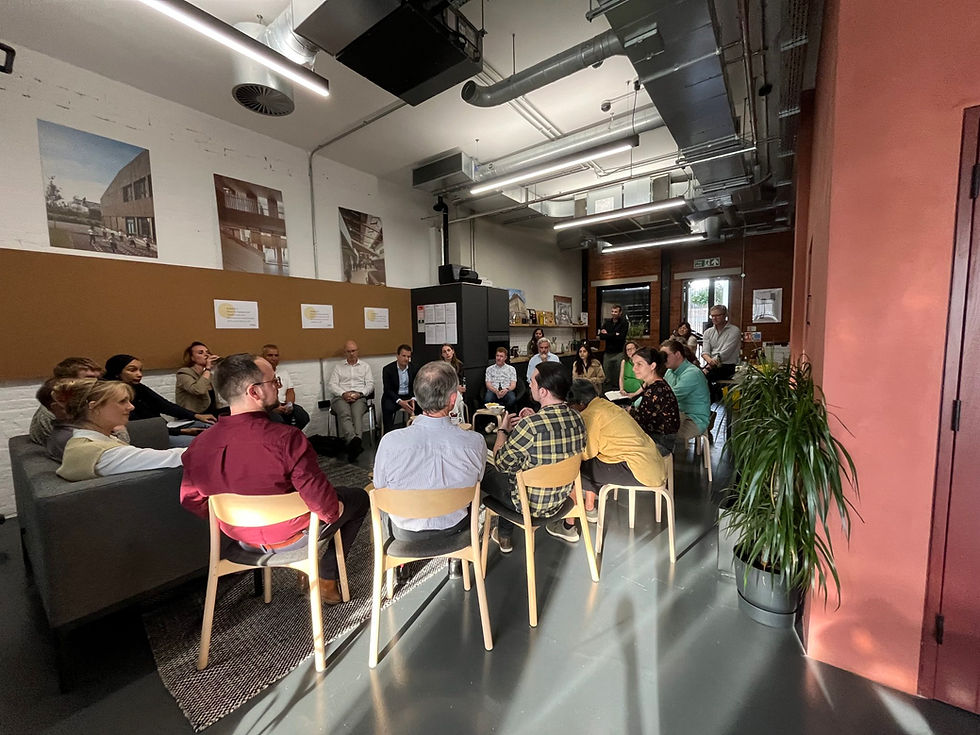
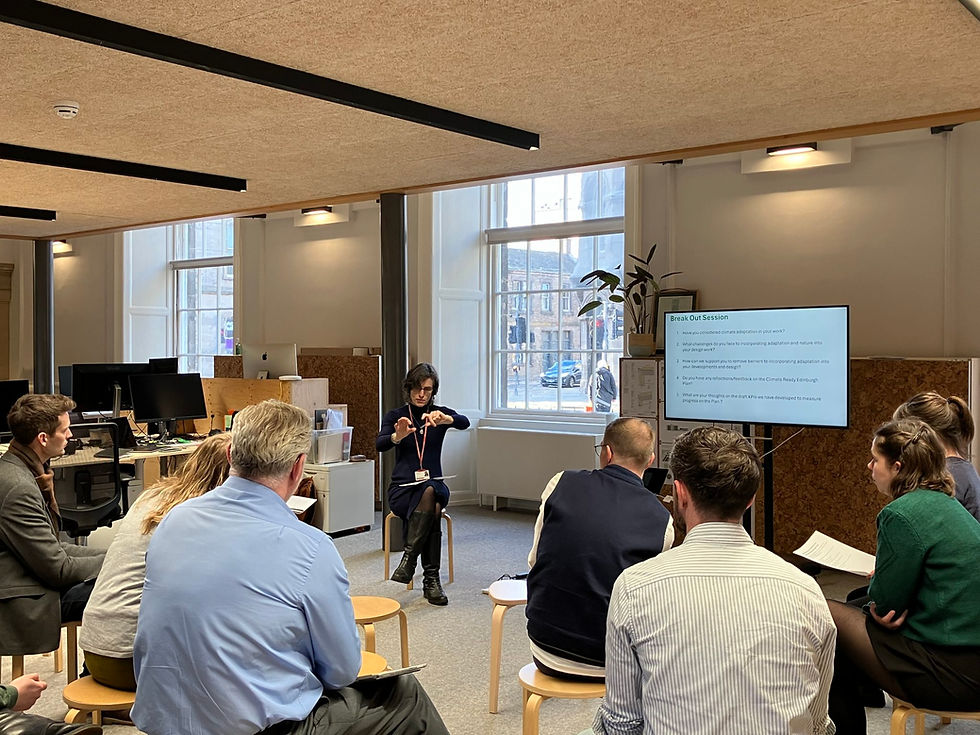
On Tuesday the 20th May, Architype welcomed collaborators to our London Studio for a roundtable discussion between actors at key stages of the material reuse journey – from those designing and commissioning buildings to those building and taking them apart, those determining what can be salvaged, and those trying to find materials a new home.
Historically, the challenge of reusing construction materials was not typically one of physical nor technical complexity – having been commonplace and entirely unremarkable until the last half-century. Setting out to build with reused materials today means contending with and navigating economic, industry and legislative norms and systems with in-built preferences for building entirely anew within restrictive timeframes. It has been made substantially more difficult still by the infancy of the U.K.’s reuse infrastructures – from under-developed supply chains and storage solutions to recertification routes.
As what the sector builds with has changed over the last century – with the development of adhesives, bonding agents, cementitious mortars, and composites to name a few, the physical work of deconstructing buildings and salvaging materials for reuse has become more complicated. This is also often made significantly more difficult by decisions that were made by those who designed and realised any given building in the first place and may well be disconnected from the building at the point of intervention.
To put things into perspective, research has found that only 1% of components that go into buildings in north-west Europe are reused in another building and, in the U.K., 13% of construction materials are diverted straight to becoming waste without being used at all. But it has also been demonstrated that 70 jobs can be sustained per 1000 tonnes of construction materials being recycled through a social enterprise. Given that the U.K. generated around 59,400,000 tonnes of non-hazardous construction and demolition waste in 2020, normalising deconstruction and material reuse, and developing enabling infrastructures, could be imagined as a transformative Just Transition opportunity and generator of economic activity and work that bypasses the habitat loss, extraction and emissions – unfortunately but regularly – associated with the production and sourcing of new construction materials.

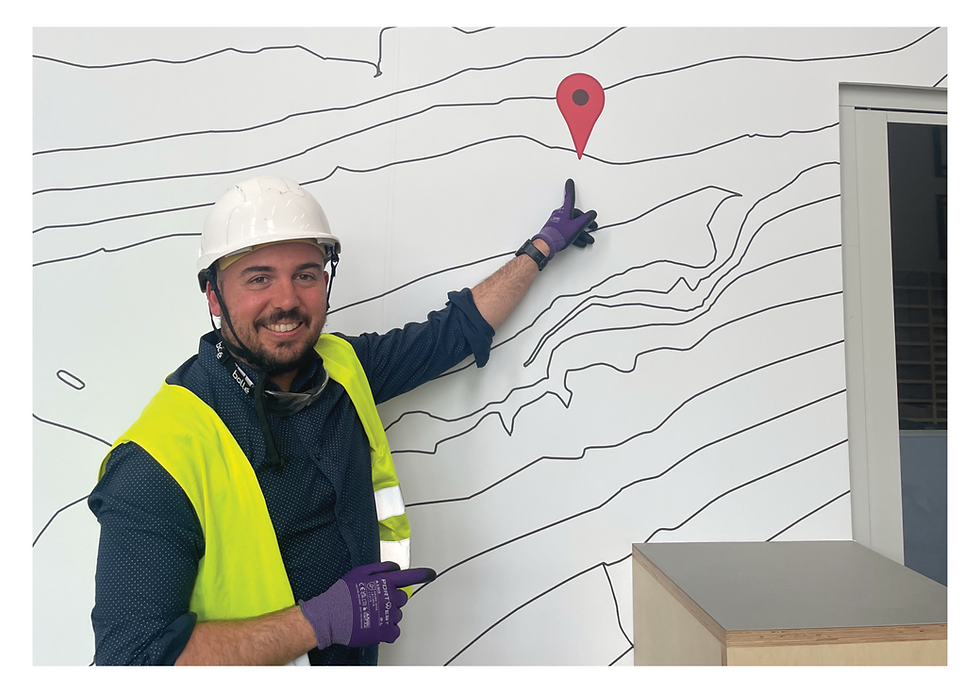
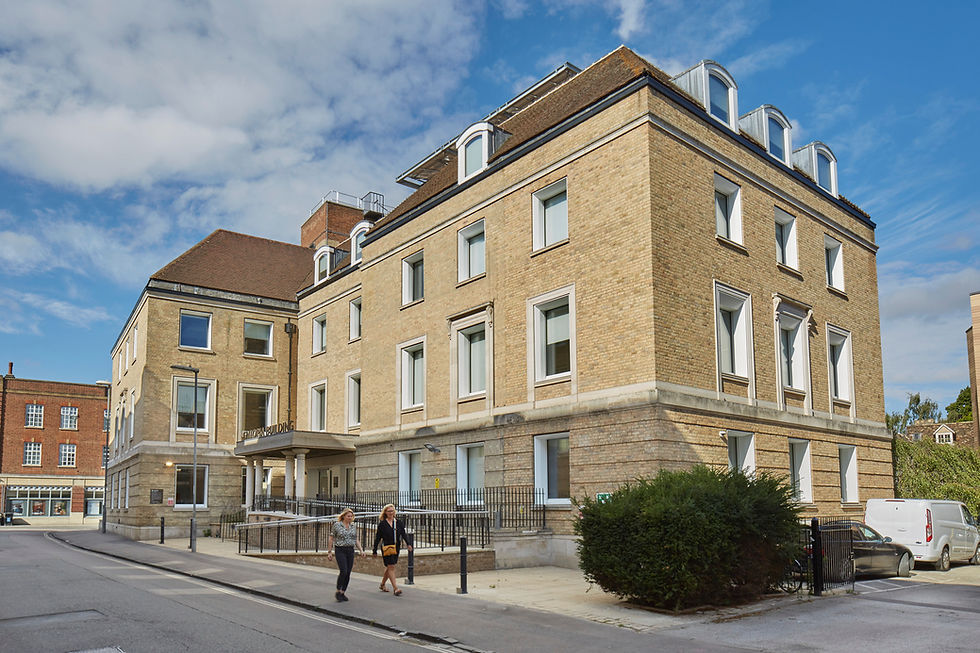
Rather than removing and scrapping the existing steel balcony balustrade in the Entopia Building and replacing it entirely, Architype advocated for its refurbishment as part of an opening up and celebration of the space as an entrance bringing in greenery and adapting a desk recovered from the headquarters of Netflix to make it inclusively welcoming and carefully repairing cracks in its surface with Kintsugi – the art of celebrating defects and repair.
There are growing numbers of excellent examples demonstrating what’s possible, and passionate individuals championing reuse, but the day-to-day reality of construction’s circular economies are yet to sufficiently resemble conditions that enabled the one-off exemplar projects we see at conferences and making it the norm. Discussions and events still tend to focus on these stories, rather than – the less comfortable systemic barriers beyond individual projects or the daily onsite and project-wide difficulties and missed opportunities that, with a little more resourced time and collaboration, could be solved.
Inspired by post-CPD session discussions Architype co-owners had with KpH Deconstruction and as part of Architype’s wider Regenerative Design and Infrastructures approach, we hosted a roundtable that spanned as much of the reuse journey as possible – carefully developing a format that purposefully made time to learn and to share experiences between those working at different stages of the reuse process.
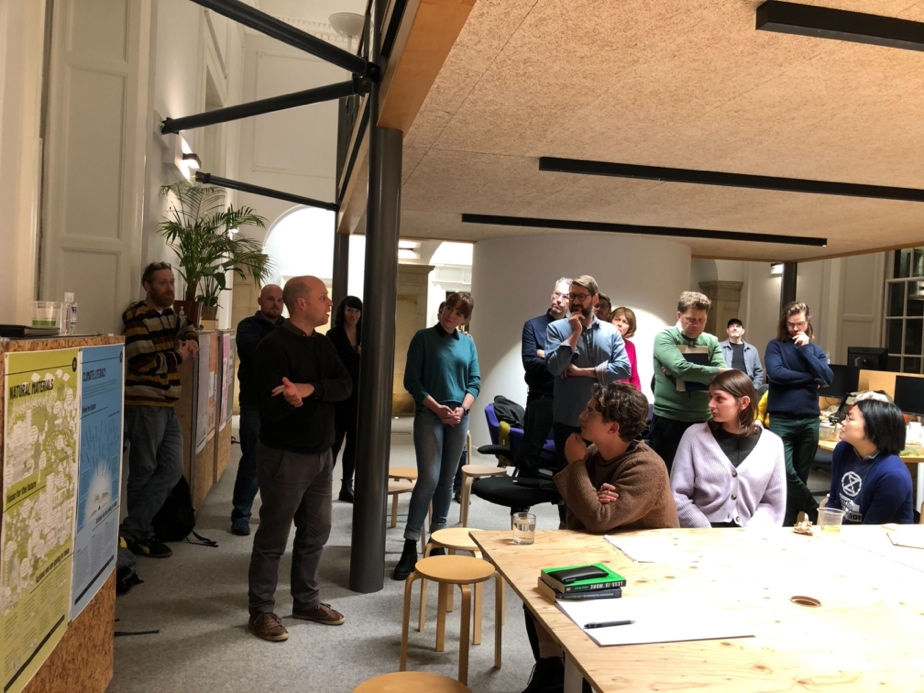
Assembling a panel that gathered insights from Architype, KpH Deconstruction, Franchi, Saint Gobain, Marks Barfield Architects, Circo Trade, Material Index, and Willmott Dixon, we leaned into these practicalities and challenges. After our host Scott McAulay set the scene, each panellist introduced themself by sharing the story of how they began engaging with material reuse in their work and the trigger points for their company getting involved with it in a bigger way, and over the course of the evening attendees shared their most common barriers and opportunities, lessons practically learned, advice they‘d give to clients and recommendations they’d offer policymakers to increase reuse in their work.

Mapping exercise illustrating which stages of the Deconstruction Process that participants in the roundtable worked across and covered between them. Critically, this illustrates collaboration, expertise and experience across stages – beyond works traditionally covered by architects – is crucial to unlocking reuse opportunities.
The energy brought by attendees and the generosity with which experiences were shared made for an encouraging and energising evening. Deconstruction and reuse are viable possibilities; client ambition and long-term buy-in can make inspiring things possible; embodied carbon considerations are beginning to shift conversations on projects – as took place during the delivery of the Entopia building; manufacturers are exploring routes to re-certify and material recovery, and the greatest impacts continue to be made by collaborative efforts – often requiring disruption, finding that first collaborator willing to try to make your idea possible, and beginning conversations as early as possible – embedding circularity into written briefs and documentation. Coordinating the reuse of construction materials on projects takes time that must be allowed and accounted for – being a role in and of itself that we know pays off in a multitude of ways, and we look forward to championing it and to playing our part to realise circular economies in the future – both on our projects and beyond them.
Architype would like to thank panellists Alasdair Donn (Willmott Dixon), Darcy Arnold-Jones (Circo Trade and Mark Barfields Architects), Marco Franchi (Franchi), Rochelle Collard (Saint-Gobain), Oliver Lawson (Material Index), Lyndsey West (KpH Deconstruction) and Steve Peterson (KpH Deconstruction) for joining us and the collective experience and insight they shared, and to all our participants for a fascinating evening!
Architype provides retrofit and new build net zero carbon and regenerative architectural design and strategy, as well as a specialist consultancy Perform+ that provides strategic insight and guidance, and technical services.
For a free one-hour chat about your zero carbon challenges and regenerative design ambitions, please contact: perform@architype.co.uk
Our latest Carbon Reduction Plan can be found here.
Related articles

.jpeg)

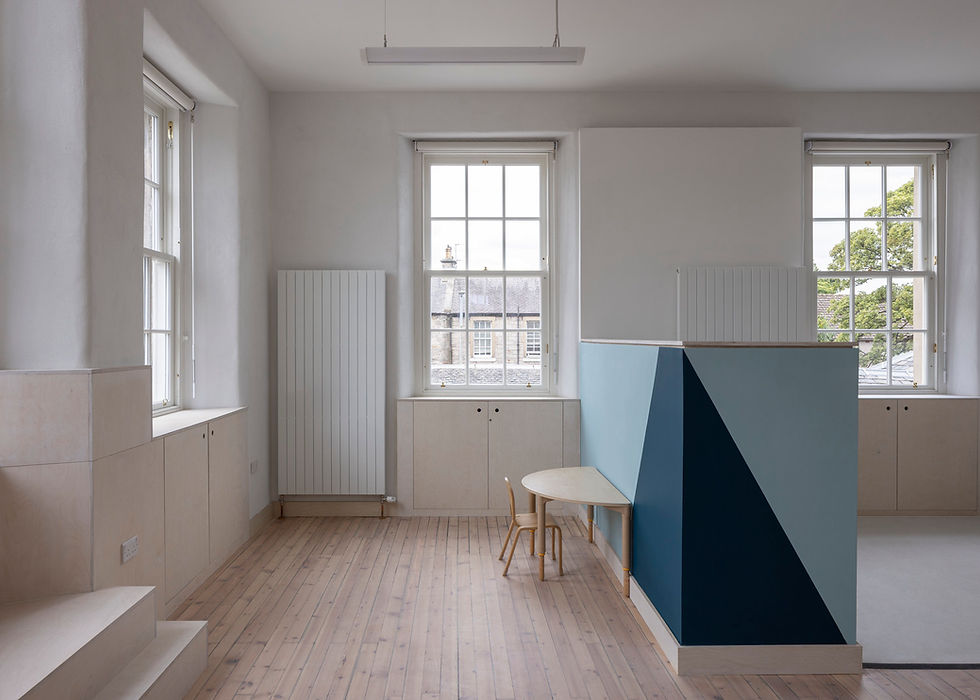
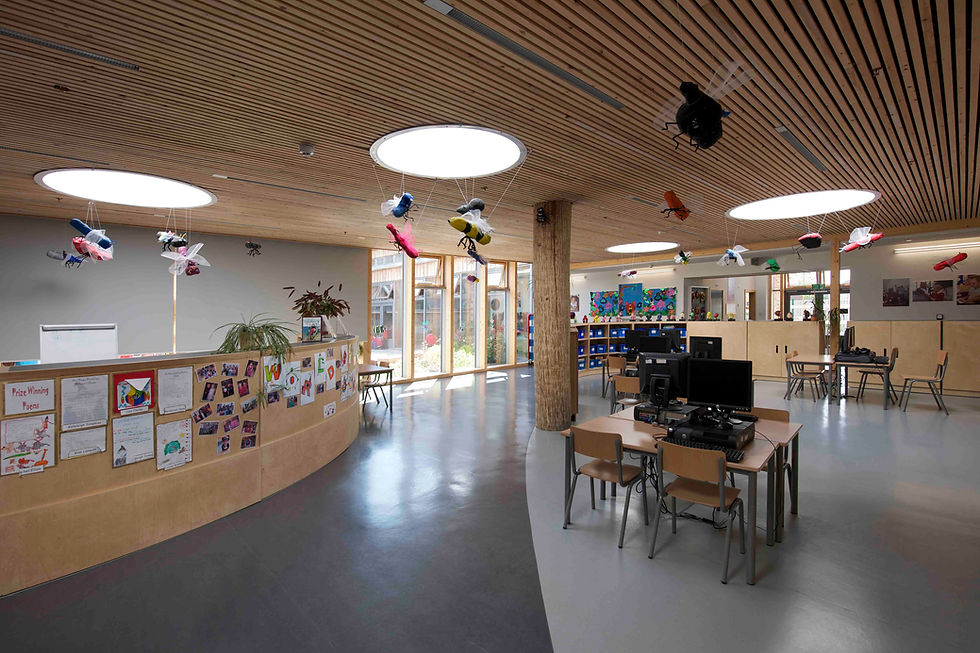
Our elegant retrofit of Liberton Nursery has been named a finalist in the Edinburgh Architectural Association's 2026 Awards
Liberton Nursery
Schools
Architecture
Material Impacts
Crafting High Performance Retrofit
News
Liberton Nursery recognised by the Edinburgh Architectural Association
Helen Murray
21 Sept 2026
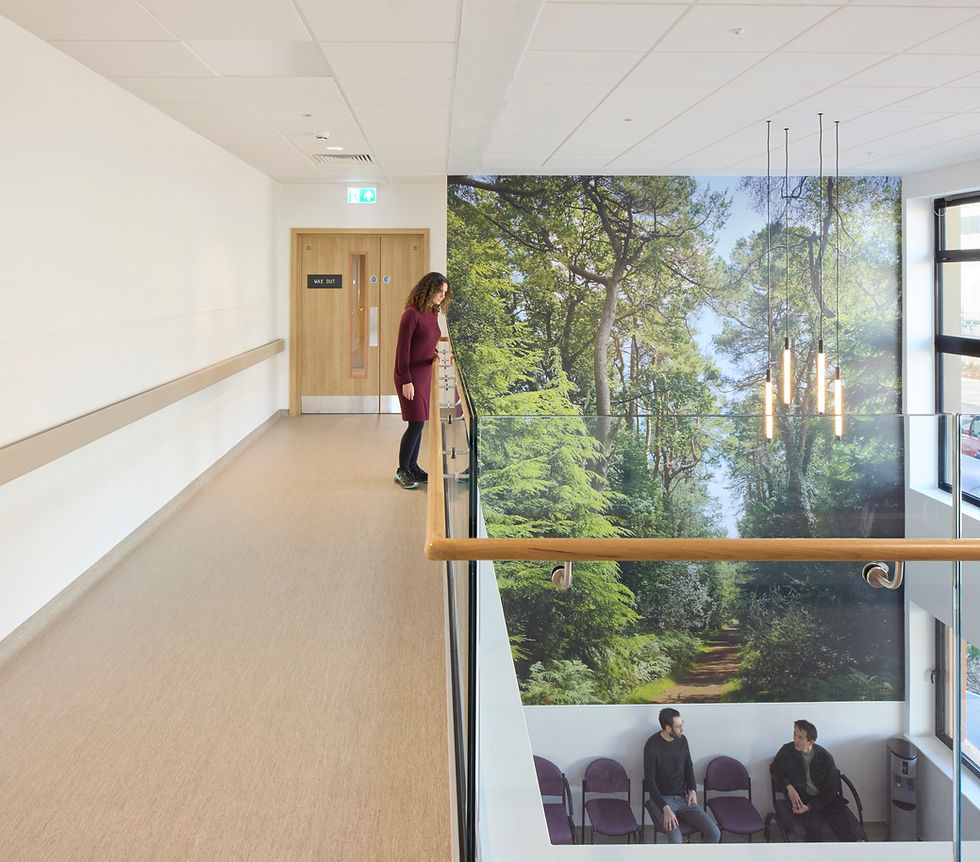



Co-owners Sioned Holland and Dr Chryssa Thoua spoke to RIBA about designing healthy, resilient schools as part of a professional feature educating architects on key strategies.
Mulberry Academy London Docks
Harris Academy Sutton
Hackbridge Primary School
Building Physics
Building Performance
Climate Resilience
Publication
An architect's guide to heatwave resilience
Sioned Holland
Chryssa Thoua
30 Jul 2026
2_tiff.png)
Join us on Thursday 9th July at 1pm as we talk through this innovative new tool that aims to empower local authorities to make real, data-informed decisions about their estates.
Research & Consultancy
Passivhaus
EnerPHit informed Retrofit Planning
Event
Launching the Estate Retrofit Toolkit
Architype
2 Jul 2026
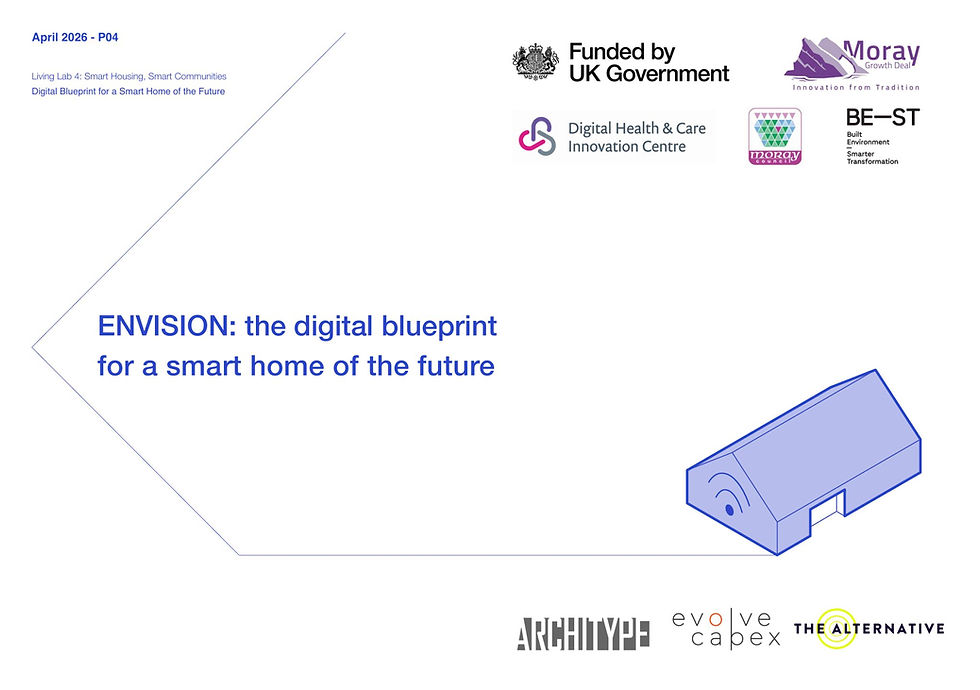
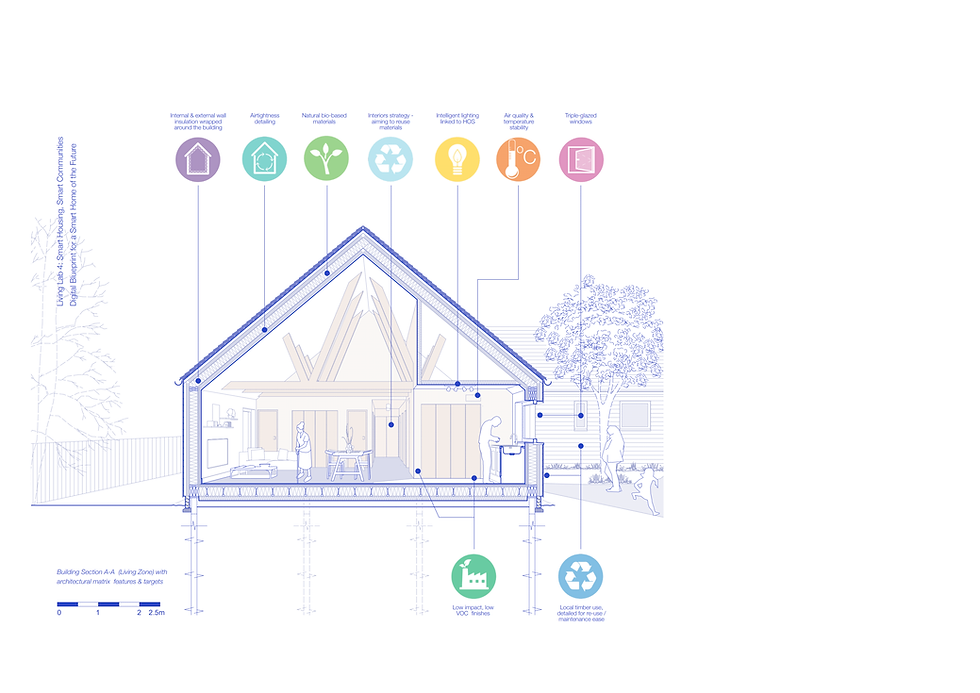
We're excited to support the launch of our collaboration on Envision: the digital blueprint for the smart home of the future with the Digital Health & Care Innovation Centre on 2nd June
Living
Research & Consultancy
Event
Launch of the Smart Home Digital Blueprint – secure your place now
Architype
19 May 2026

The Royal Agricultural University's new Innovation Village, a low-carbon research, development and entrepreneurship hub, has been granted outline planning
RAU Innovation Village
Higher Education
Passivhaus
Net Zero Carbon Estates Strategies
News
RAU's Innovation Village granted outline planning
Helen Murray
14 May 2026


We are thrilled to celebrate Chyssa Thoua on passing her viva for her PhD research into the total health performance of primary schools in the UK
Research & Consultancy
Material Impacts
Healthier Buildings
Building in Biodiversity
Innovating with Natural Materials
News
Celebrating Chryssa's academic success
Architype
23 Feb 2026

West Park, a new purpose-built student accommodation for The University of Exeter, has become the first of its kind to achieve WELL Residence pre-certification.
West Park and Birks Grange Village Student Housing
Living
Healthier Buildings
News
West Park development achieves WELL Residence precertification
Helen Murray
4 Dec 2025
The new Currie Community High School in Edinburgh recently opened its doors, making history as one of Scotland’s first Passivhaus secondary schools; a significant milestone in the UK’s low-energy design agenda.
Currie Community High School
Article
Currie opens, Part 1: The Commitment Brief
Jorge Barreno Cardiel
1 Dec 2025
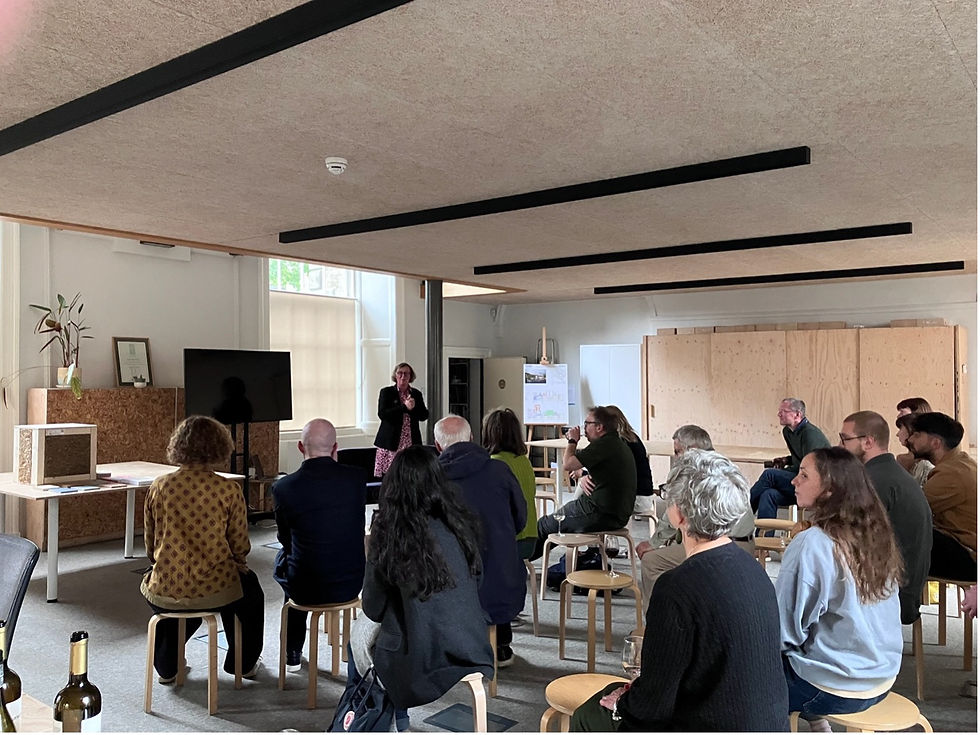
Architype’s Edinburgh studio hosted a film evening as part of 2025’s Architecture Fringe welcoming researchers from UK Treescapes, Deirde Heddon and Rachel Clive along with collaborators and members of the public.
News
Cultivating Reciprocal Connections: Looking Back on a Film Evening with UK Treescapes during Architecture Fringe 2025
Architype
26 Aug 2025
Architype welcomed collaborators to our London Studio for a roundtable discussion between actors at key stages of the material reuse journey
The Entopia Building
Transitioning to a Circular Economy
Article
Disrupting Circular Conversations: A Deconstruction and Material Reuse Roundtable
Architype
31 Jul 2025







.jpg)