The latest IPCC Report, like every one that came before it, is an overwhelming call to action for civil society, governments, and industry if we are to urgently limit global heating and mitigate catastrophic climate change.
The Intergovernmental Panel on Climate Change’s 6th Assessment, Climate Change 2022 - Mitigation of Climate Change lays out what can and must be done based on what is necessary and what is physically possible. This is not based on historical trends because as the IPCC’s Co-chair Professor Jim Shea put very concisely at the launch press conference, "We are not talking about business as usual if we are going to address the problem of climate change."
The report is extensive, clocking in at 3675 pages of the most up to date climate science and potential solutions, so we thoroughly recommend reading the Summary for Policymakers after reading this!
In this blog I’ve focussed on two key takeaways from the report: that climate actions – those that can be embedded into architectural projects, all the way up to wider government policy - have extensively proven benefits for society, and that carbon emissions must peak by 2025.
Climate Justice Tackling climate change is a matter of both climate and intergenerational justice: climate impacts are felt the most in parts of the world that contribute the least to climate breakdown and they will shape the futures of the young and every generation to follow them – with certain tipping points being irreversible.
This latest report stresses the importance of justice in bringing about the transformative change that we need to see: “Equity and just transitions can enable deeper ambitions for accelerated mitigation. Applying just transition principles and implementing them through collective and participatory decision-making processes is an effective way of integrating equity principles into policies at all scales”.
A key element of this report is the identification of co-benefits to adaptation and mitigation strategies – illustrated in the table below that identifies synergies and trade-offs between different actions and achieving the United Nation’s Sustainable Development Goals.
Energy Efficiency First
As we have been saying for years, getting all buildings more energy efficient is absolutely critical to achieving those goals and should be the first step in every sustainable design action plan. Steps like Passivhaus offer proven ways to achieve this.
But for it to be a meaningful reduction we need every building that is being designed now to achieve this standard or better, if in three year’s time we are to have substantially reduced our operational emissions from new buildings.

Designing and shaping the built environment, we have a huge opportunity and responsibility to champion these strategies, to imbed them into what we do and to affect policy change. As was noted in the Architects Declare Practice Guide: the average embodied carbon of one large project is equivalent to 196 average U.K. citizens’ annual carbon footprints – the agency we have as built environment practitioners to drastically reduce emissions is vast.
With the scale of the task at hand being so large, we need to think beyond the individual buildings we work on and push for policy changes, which is why supporting campaigns such as RetroFirst and Part Z is so very important.
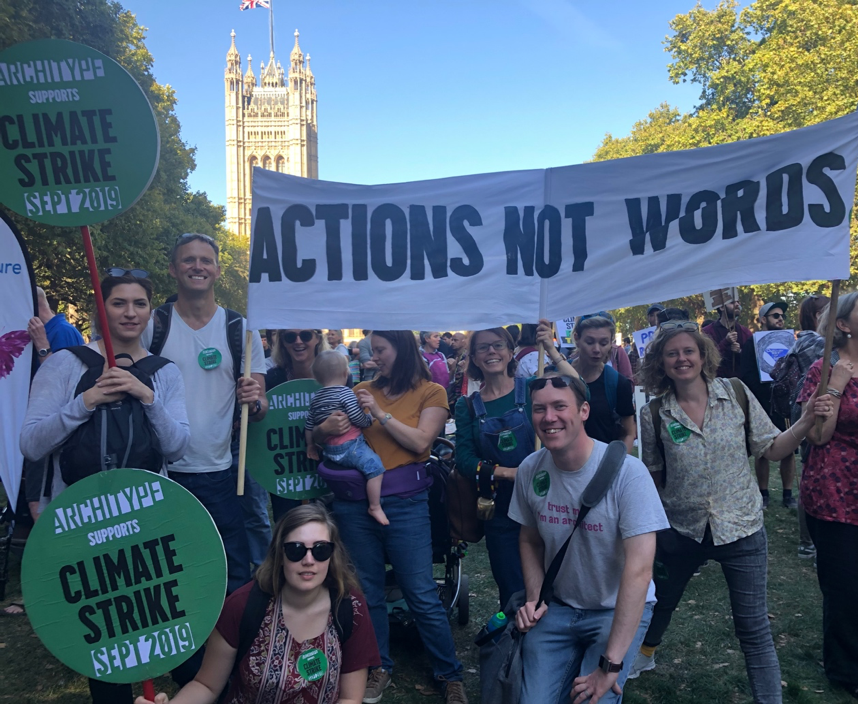
Actions not Words
Coming to terms with the reality of the climate emergency can be difficult and deeply uncomfortable but what this latest IPCC Report stresses is that we have the capability to transition our society towards not just a greener one – using many adaptation and mitigation measures that have been long understood - but one that is more equitable and just. It lays out the most up to date climate science and it offers practical solutions that can be used to safeguard the future of those we know and those we don’t.
Each and every single fraction of a degree of global heating counts, so we invite our contemporaries in architecture and construction to join us in embracing the agency you have in your own lives and work, and in collectively calling for truly transformative climate action.
By Scott McAulay
Related articles

.jpeg)

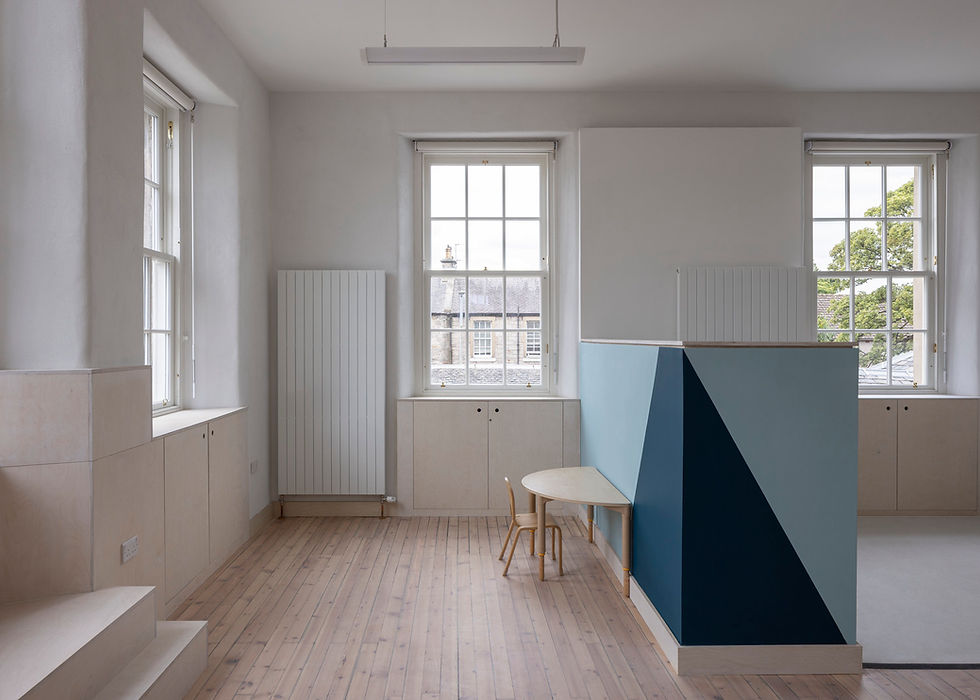
Our elegant retrofit of Liberton Nursery has been named a finalist in the Edinburgh Architectural Association's 2026 Awards
Liberton Nursery
Schools
Architecture
Material Impacts
Crafting High Performance Retrofit
News
Liberton Nursery recognised by the Edinburgh Architectural Association
Helen Murray
21 Sept 2026



Co-owners Sioned Holland and Dr Chryssa Thoua spoke to RIBA about designing healthy, resilient schools as part of a professional feature educating architects on key strategies.
Mulberry Academy London Docks
Harris Academy Sutton
Hackbridge Primary School
Building Physics
Building Performance
Climate Resilience
Publication
An architect's guide to heatwave resilience
Sioned Holland
Chryssa Thoua
30 Jul 2026
2_tiff.png)
Join us on Thursday 9th July at 1pm as we talk through this innovative new tool that aims to empower local authorities to make real, data-informed decisions about their estates.
Research & Consultancy
Passivhaus
EnerPHit informed Retrofit Planning
Event
Launching the Estate Retrofit Toolkit
Architype
2 Jul 2026
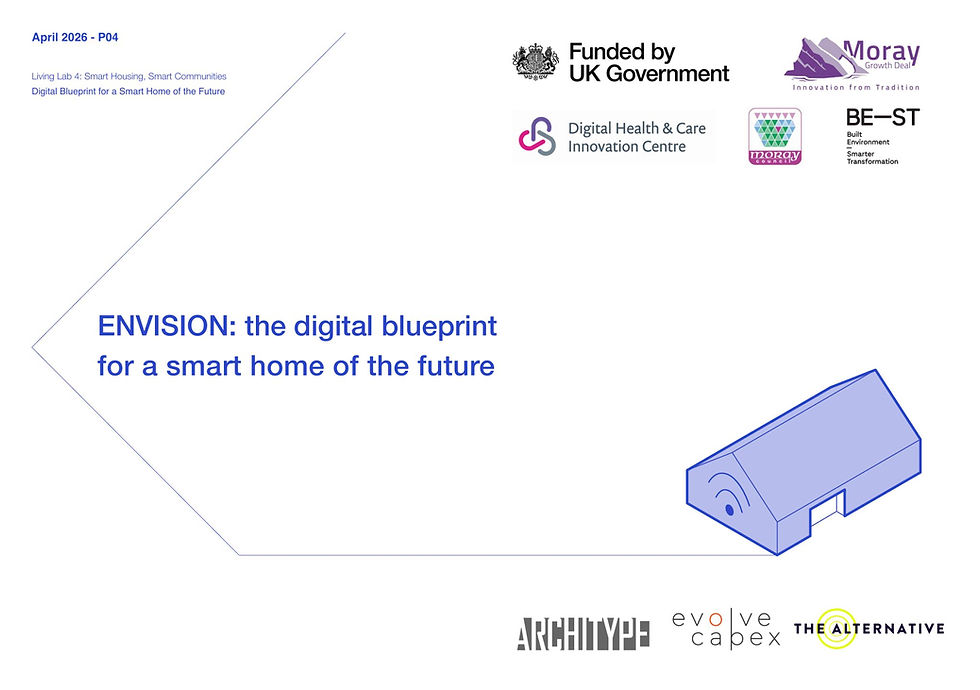
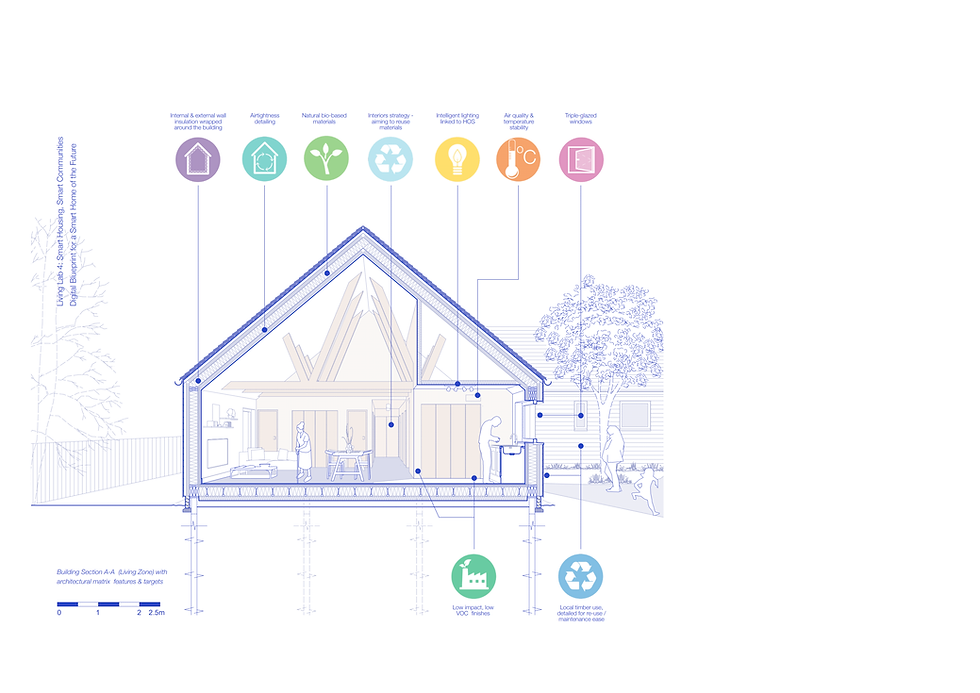
We're excited to support the launch of our collaboration on Envision: the digital blueprint for the smart home of the future with the Digital Health & Care Innovation Centre on 2nd June
Living
Research & Consultancy
Event
Launch of the Smart Home Digital Blueprint – secure your place now
Architype
19 May 2026

The Royal Agricultural University's new Innovation Village, a low-carbon research, development and entrepreneurship hub, has been granted outline planning
RAU Innovation Village
Higher Education
Passivhaus
Net Zero Carbon Estates Strategies
News
RAU's Innovation Village granted outline planning
Helen Murray
14 May 2026



We are thrilled to celebrate Chyssa Thoua on passing her viva for her PhD research into the total health performance of primary schools in the UK
Research & Consultancy
Material Impacts
Healthier Buildings
Building in Biodiversity
Innovating with Natural Materials
News
Celebrating Chryssa's academic success
Architype
23 Feb 2026
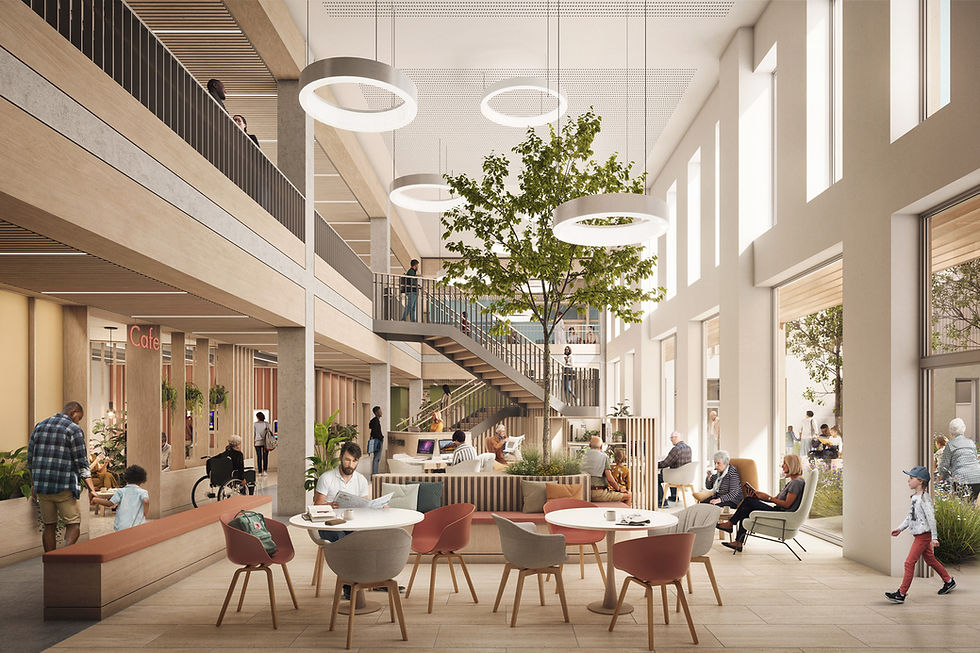
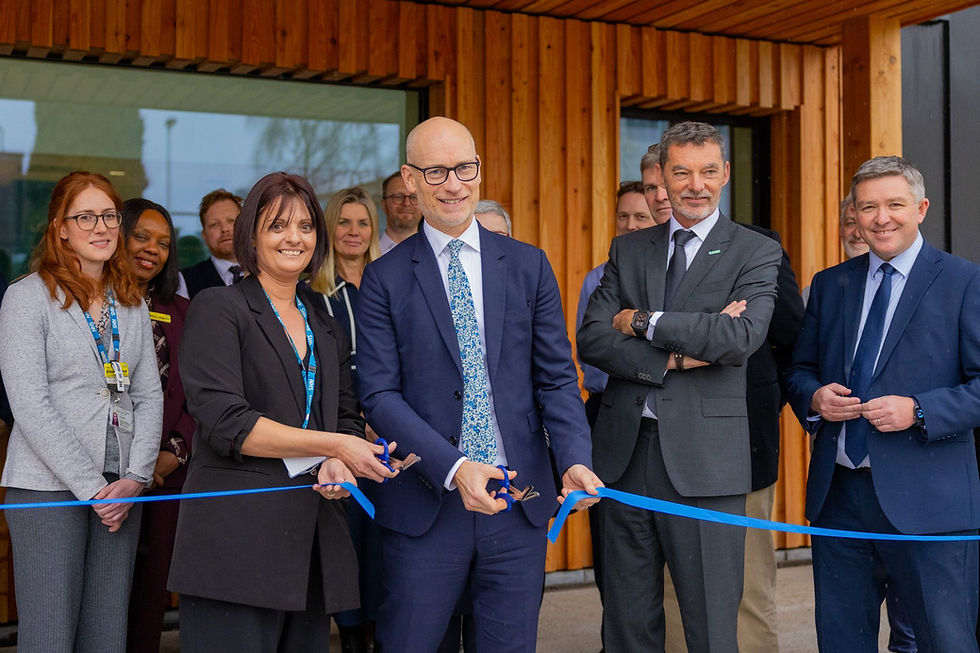
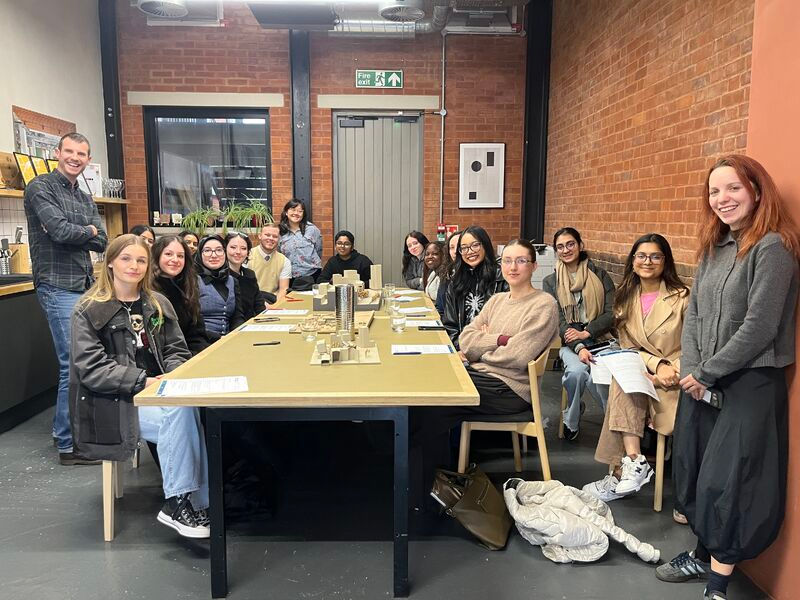

West Park, a new purpose-built student accommodation for The University of Exeter, has become the first of its kind to achieve WELL Residence pre-certification.
West Park and Birks Grange Village Student Housing
Living
Healthier Buildings
News
West Park development achieves WELL Residence precertification
Helen Murray
4 Dec 2025
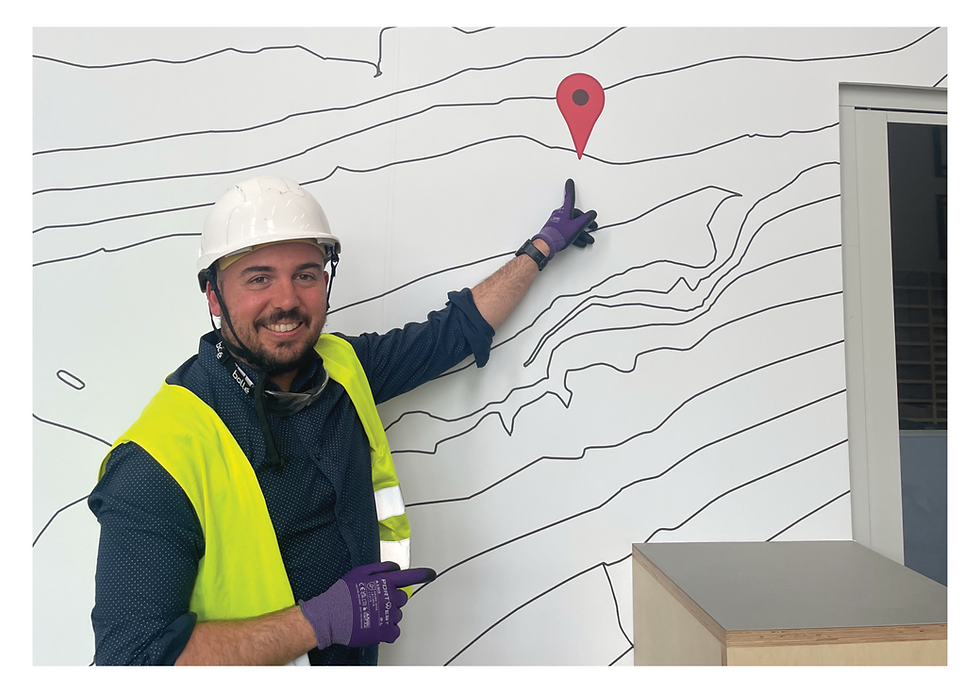
The new Currie Community High School in Edinburgh recently opened its doors, making history as one of Scotland’s first Passivhaus secondary schools; a significant milestone in the UK’s low-energy design agenda.
Currie Community High School
Article
Currie opens, Part 1: The Commitment Brief
Jorge Barreno Cardiel
1 Dec 2025
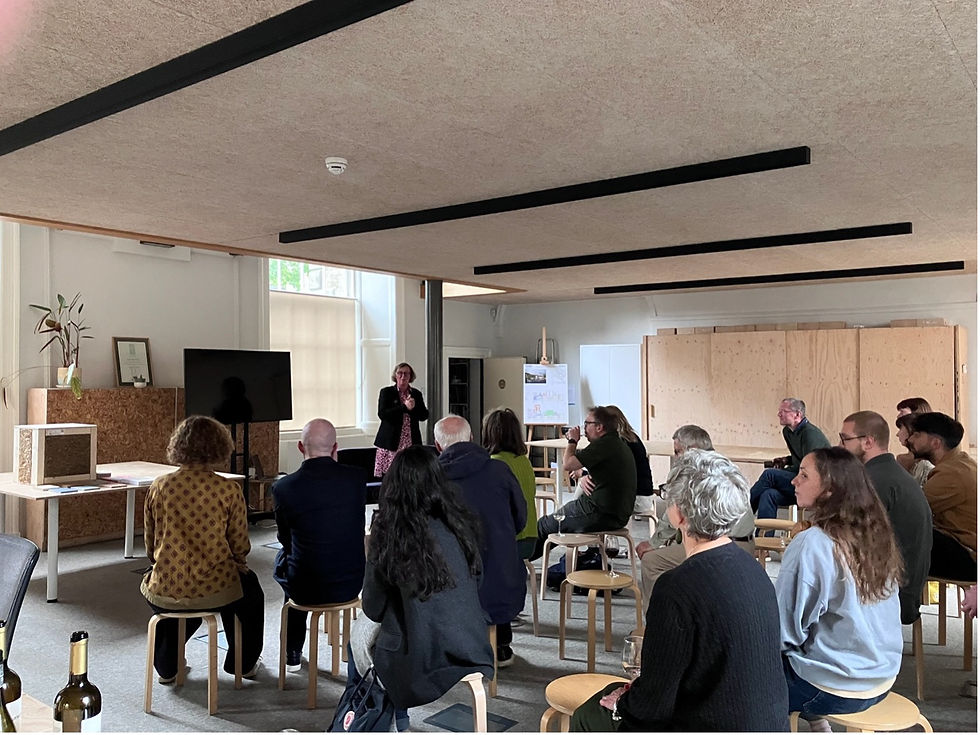
Architype’s Edinburgh studio hosted a film evening as part of 2025’s Architecture Fringe welcoming researchers from UK Treescapes, Deirde Heddon and Rachel Clive along with collaborators and members of the public.
News
Cultivating Reciprocal Connections: Looking Back on a Film Evening with UK Treescapes during Architecture Fringe 2025
Architype
26 Aug 2025
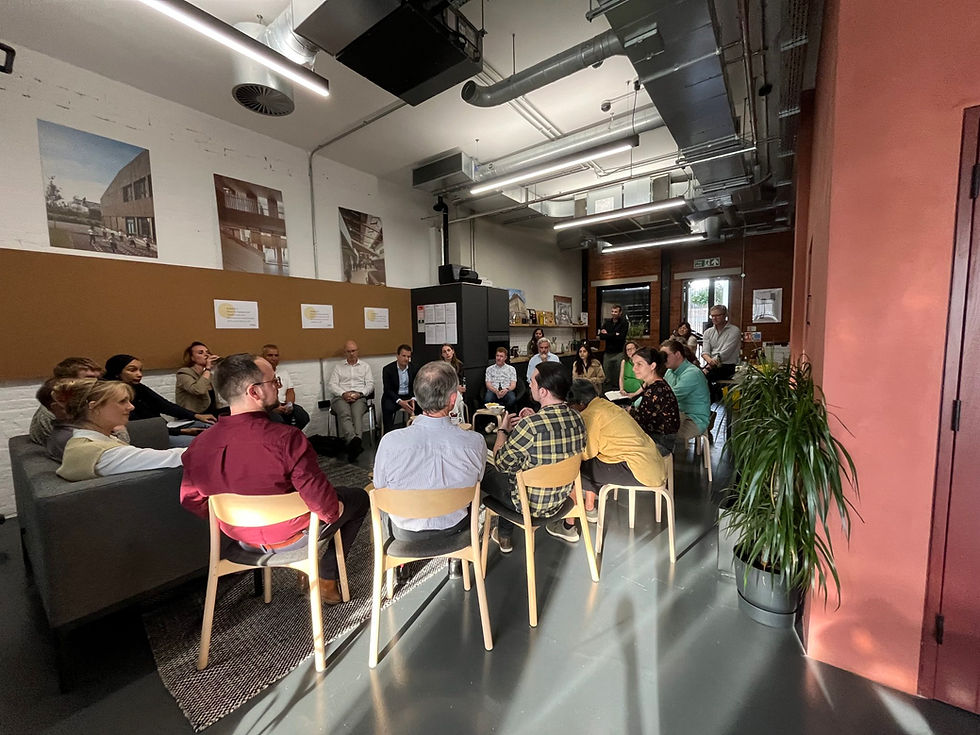
Architype welcomed collaborators to our London Studio for a roundtable discussion between actors at key stages of the material reuse journey
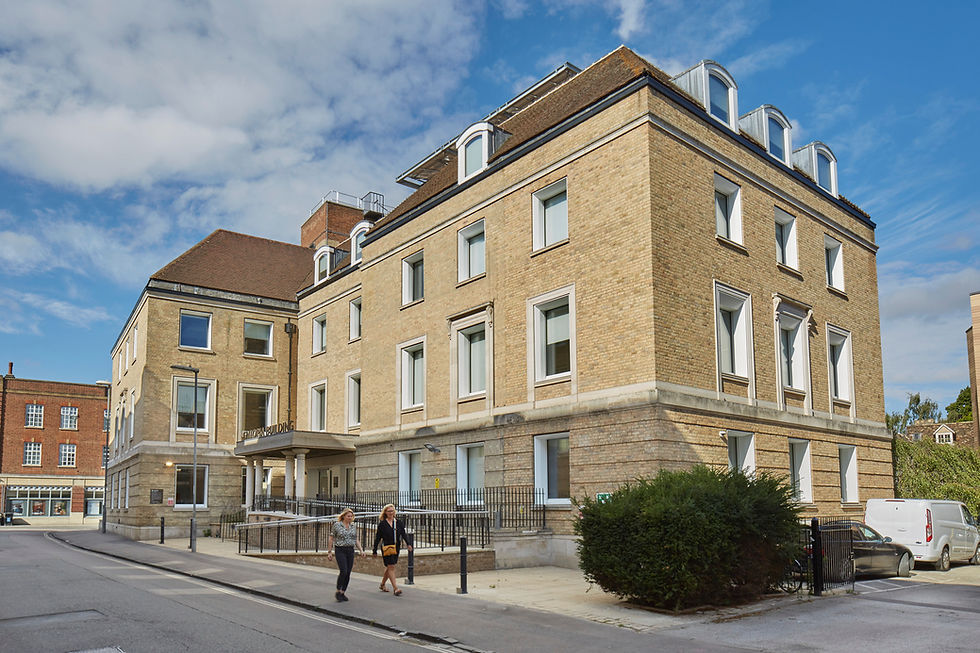
The Entopia Building
Transitioning to a Circular Economy
Article
Disrupting Circular Conversations: A Deconstruction and Material Reuse Roundtable
Architype
31 Jul 2025








.jpg)