Our climate action continues - here are some practical ways you can help protect bees:Why do we need to protect bees? Bees and other pollinators are vital to the health of the earth and our survival. Bees are responsible for a large amount of plant pollination. This may be the flowers we plant in our gardens but it’s also the vegetables and fruit we eat. Recent studies have shown that approximately 1/3 of wild bee species in the UK are in decline, with bee populations falling. This is bad news for everyone, and in the future may lead to failed crops and food shortages. What is causing the bee population decline?
There are many factors that affect bee populations but one of the most damaging is loss of habitat. With the cultivation of land we see the destruction of areas of wild flowers and bushes which serve as the bees’ food and homes. The rise in commercial farming has seen a rise in pesticides too. This includes ones that are toxic to bees and other pollinators such as hoverflies and ladybugs who play an important role in our eco-system as natural pest killers.
How can we save our bees?
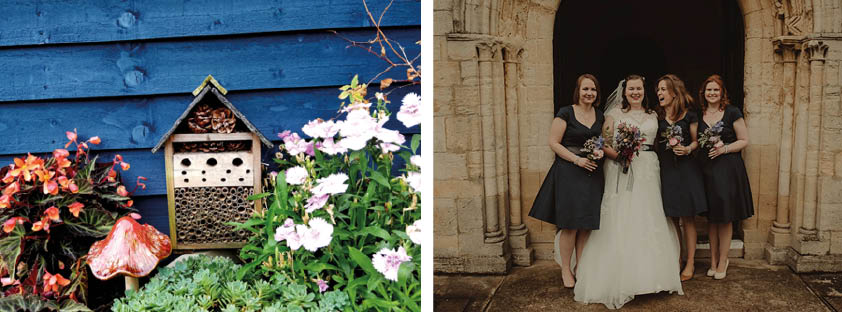
Autumn is actually a great time of year to help bees, especially solitary varieties that do not have the protection of a hive. I personally have dotted throughout my garden different bee and insect hotels. These offer protection throughout the colder days for bees and many other insects, and even very small hedgehogs! It’s also a great activity for children or for an office to participate in. If you have any outdoor space, even if it’s a balcony, they are easy to set up and can be made from a variety of used items, from bits of timber to an old pair of shoes. However if you’re feeling less adventurous they are easily purchased from garden centres or from charity websites such as the RSPB.
This time of year may not be prime growing time but why not plant some autumn or wintering flowering plants to help supply food for bees and other insects? Staggering the flowering times of the plants we choose can lengthen the feeding period before winter sets in.
Wildflower havens
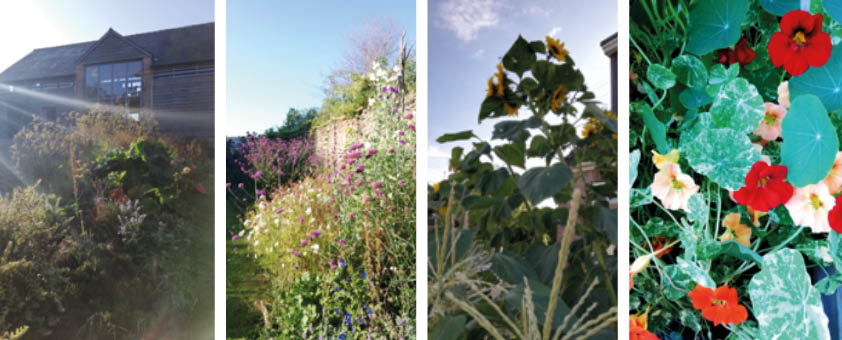
And when spring does come around why not think about planting some wildflowers? Not only beautiful, often self-seeding and great at breaking down and improving soil, they are great for insects of all kinds, including bees. In my front garden we have decided to let the grass die down this winter in preparation for planting wildflower meadows. This is very easy to do and my partner is very happy as he will no longer have to cut the grass. I’m also lucky enough to share an allotment, and after the success of increased pollination this year we are intending to double the amount of land given over to wildflowers. In fact the flowers were so abundant in my garden and the allotment I used them for my wedding and didn’t have to pay anything! If you don’t have a garden of your own how about planting more flowers at work or maybe on a terrace or shared garden space?
Or if you want a more controlled look, lavender is a perfect plant for bees and you can use the flower stems for scent bags. Herbs such as thyme, rosemary, chives and mint are also great for bees and for your own cooking. I planted a lot of sunflowers this year too. Sunflowers are great, not only for bees but for children and adults. I had so many seeds left from my sunflower heads last year - one head gave me 300+ seeds - I brought them into work for everyone to grow their own giant sunflowers. An added bonus is you can feed the seeds to birds over winter, roast to eat or save to grow even more sunflowers next year. Pest control
Pesticides are a big problem for bees as they often contain chemicals that affect them, either killing a single bee or a whole hive. Before buying pesticides read about the chemicals in them and avoid brands that contain chemicals that harm bees. Better yet, why not use non chemical pest control? I often use a solution of washing up liquid and water, companion planting or encouraging natural predator insects into the garden to control pest numbers. Nasturtiums are great at attracting pests away from other crops, they also look great and the leaves and flowers can be used in salads. Although the natural methods are not perfect they avoid any risk to bees which I think is greatly preferable. If you go this route, it is important to try and encourage your neighbours to do the same as otherwise the pesticides they use may spread onto your plants also.
Bee support
It is so quick to improve our surroundings to make them more bee friendly. By thinking slightly more about the plants we are planting, the spaces we are making for our insect friends, and the chemicals we introduce into these environments we can do so much to support the bee eco system. I have seen a vast increase in the numbers of bees since I have made these steps and love stepping outside to hear their constant hum. To me, there is nothing more exciting than the moment when you realise you are surrounded by life everywhere.
Related articles

.jpeg)

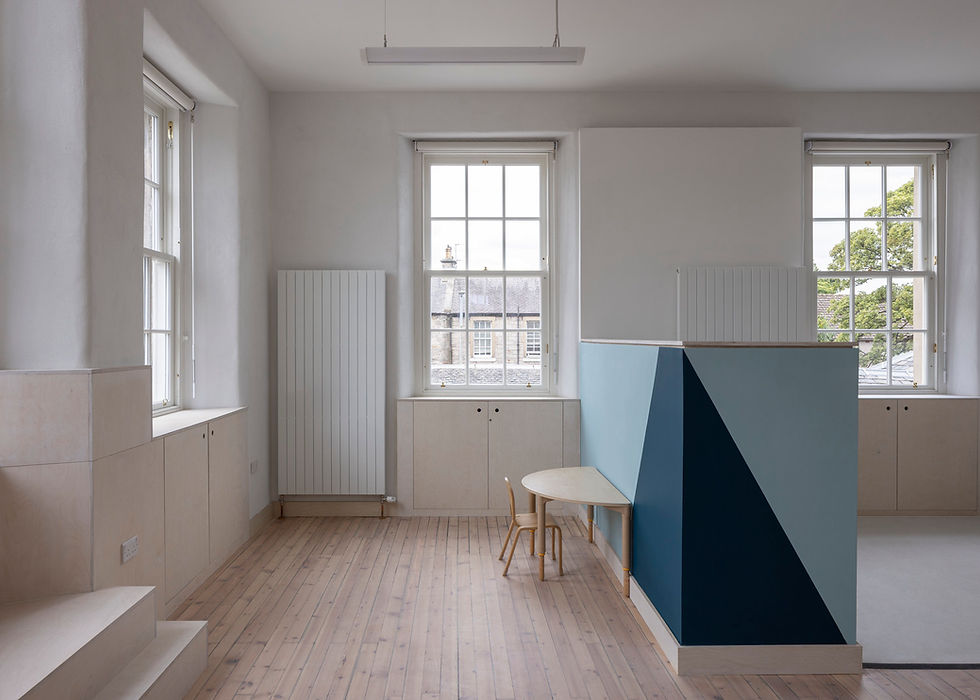
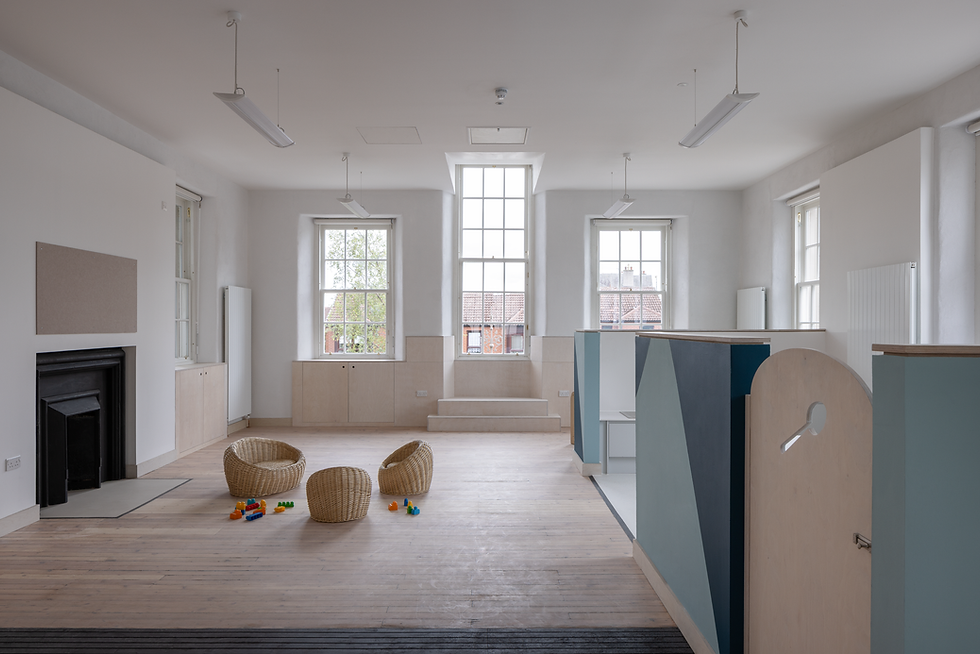
Our elegant retrofit of Liberton Nursery has been named a finalist in the Edinburgh Architectural Association's 2026 Awards
Liberton Nursery
Schools
Architecture
Material Impacts
Crafting High Performance Retrofit
News
Liberton Nursery recognised by the Edinburgh Architectural Association
Helen Murray
21 Sept 2026
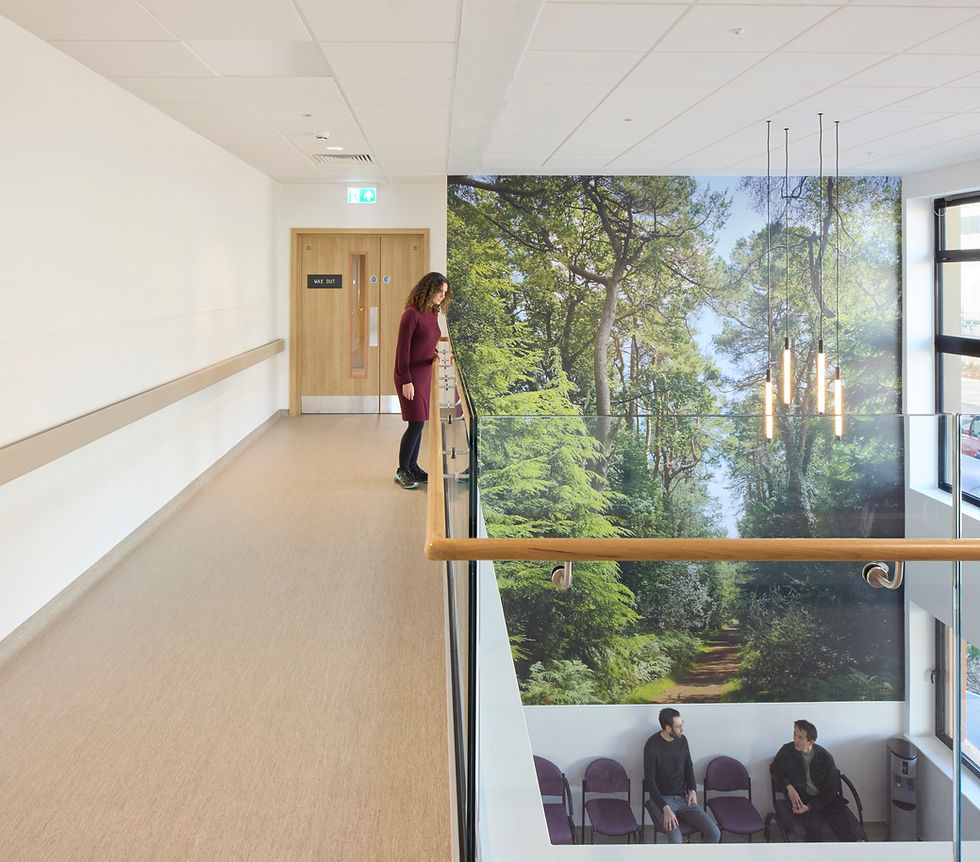
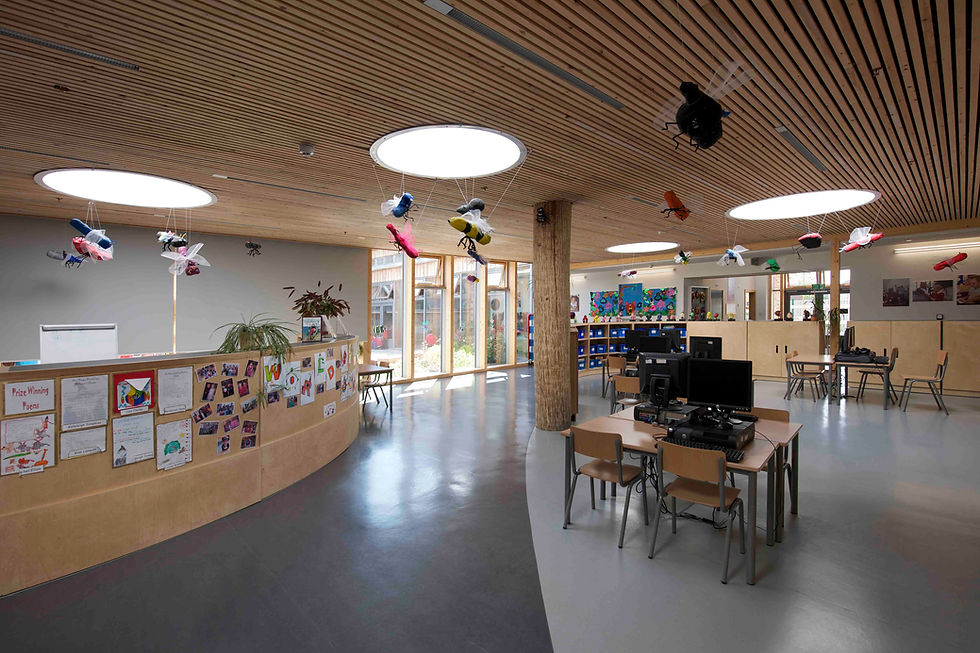




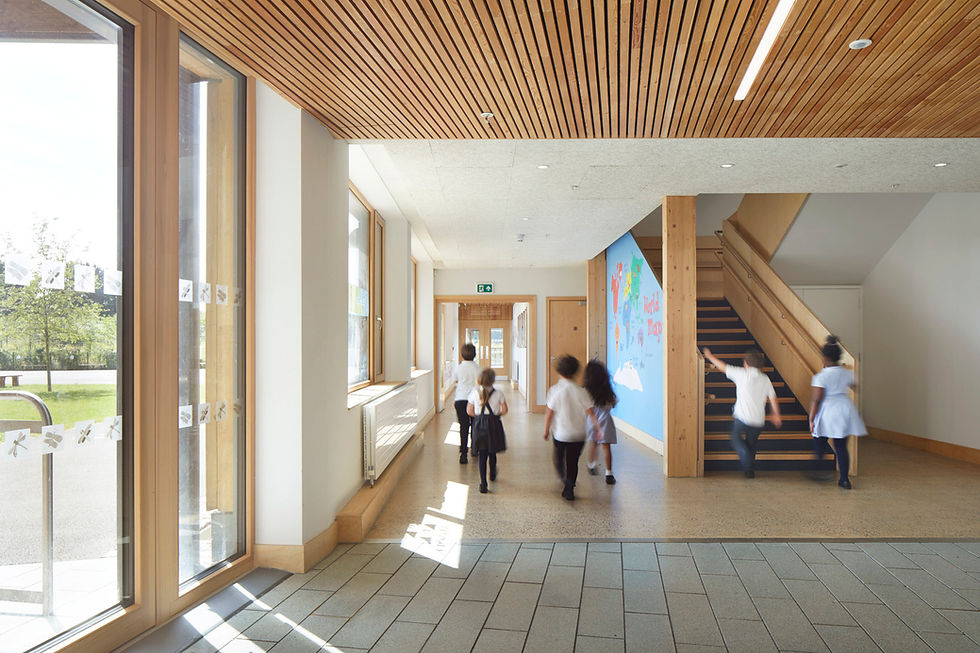
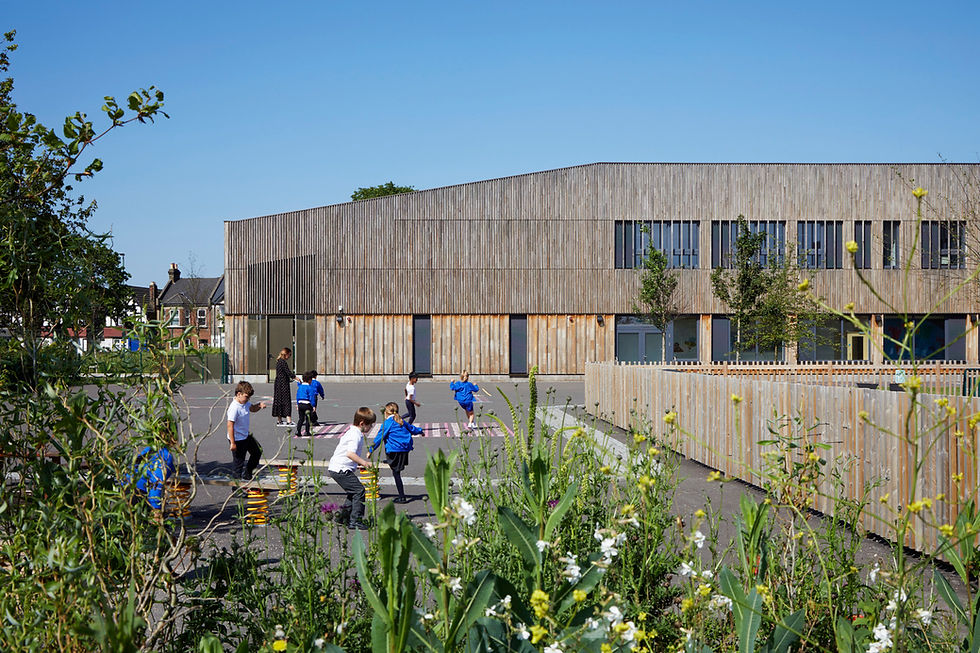
Co-owners Sioned Holland and Dr Chryssa Thoua spoke to RIBA about designing healthy, resilient schools as part of a professional feature educating architects on key strategies.
Mulberry Academy London Docks
Harris Academy Sutton
Hackbridge Primary School
Building Physics
Building Performance
Climate Resilience
Publication
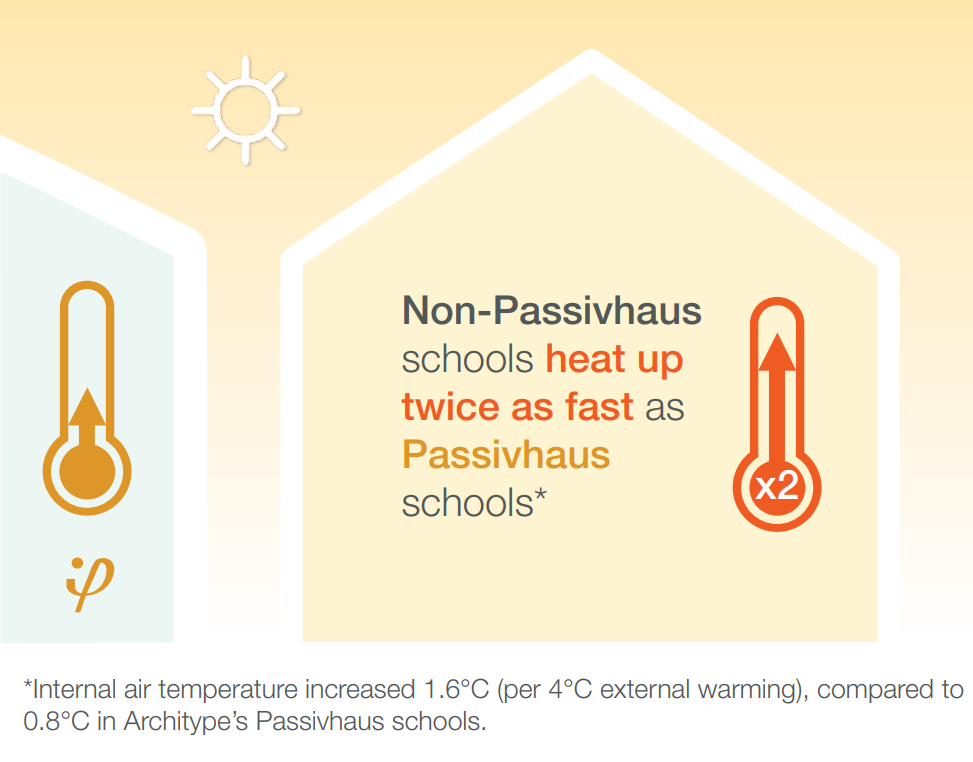
An architect's guide to heatwave resilience
Sioned Holland
Chryssa Thoua
30 Jul 2026
2_tiff.png)
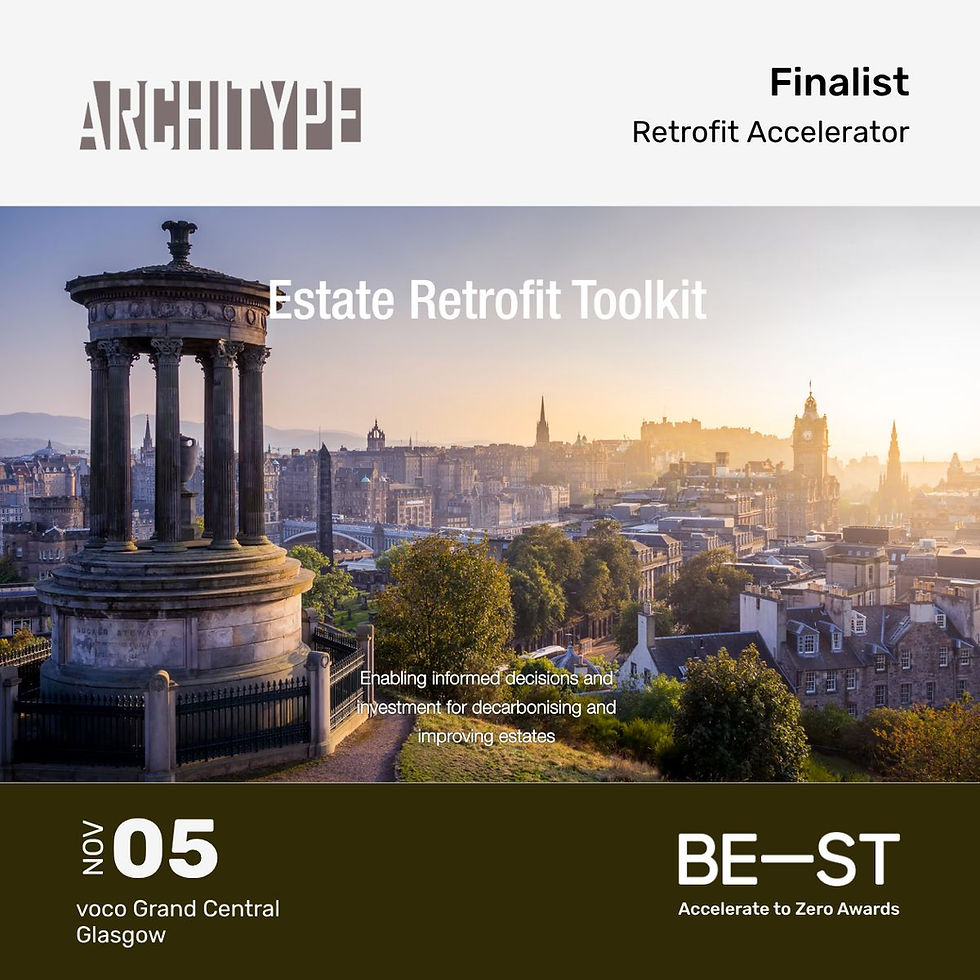
Join us on Thursday 9th July at 1pm as we talk through this innovative new tool that aims to empower local authorities to make real, data-informed decisions about their estates.
Research & Consultancy
Passivhaus
EnerPHit informed Retrofit Planning
Event
Launching the Estate Retrofit Toolkit
Architype
2 Jul 2026



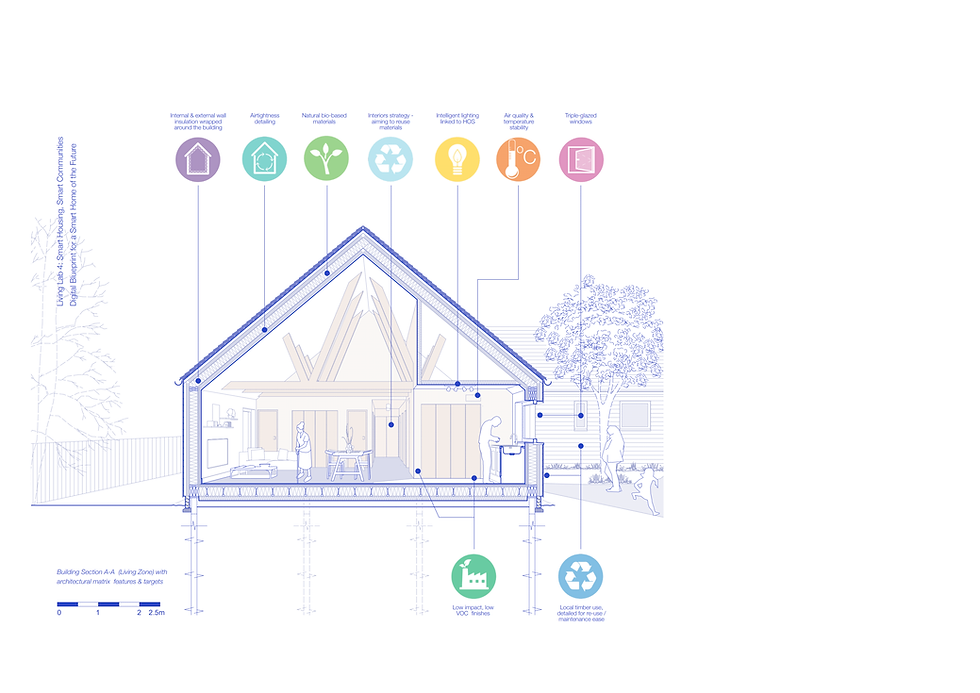
We're excited to support the launch of our collaboration on Envision: the digital blueprint for the smart home of the future with the Digital Health & Care Innovation Centre on 2nd June
Living
Research & Consultancy
Event
Launch of the Smart Home Digital Blueprint – secure your place now
Architype
19 May 2026

The Royal Agricultural University's new Innovation Village, a low-carbon research, development and entrepreneurship hub, has been granted outline planning
RAU Innovation Village
Higher Education
Passivhaus
Net Zero Carbon Estates Strategies
News
RAU's Innovation Village granted outline planning
Helen Murray
14 May 2026
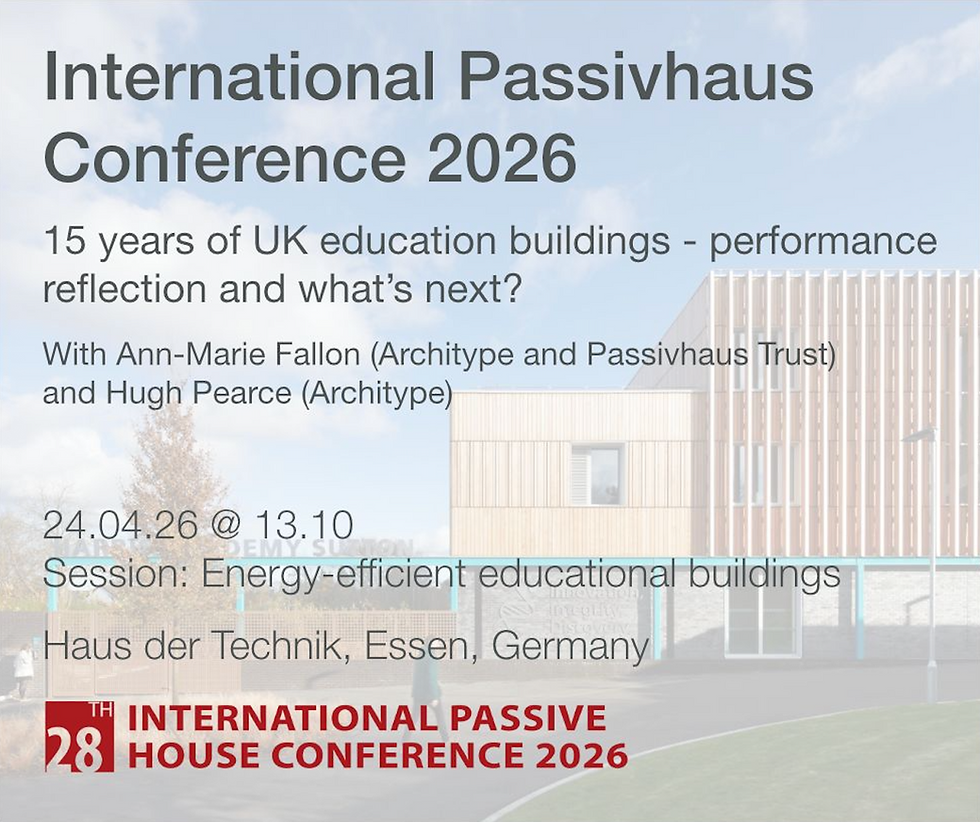





We are thrilled to celebrate Chyssa Thoua on passing her viva for her PhD research into the total health performance of primary schools in the UK
Research & Consultancy
Material Impacts
Healthier Buildings
Building in Biodiversity
Innovating with Natural Materials
News
Celebrating Chryssa's academic success
Architype
23 Feb 2026

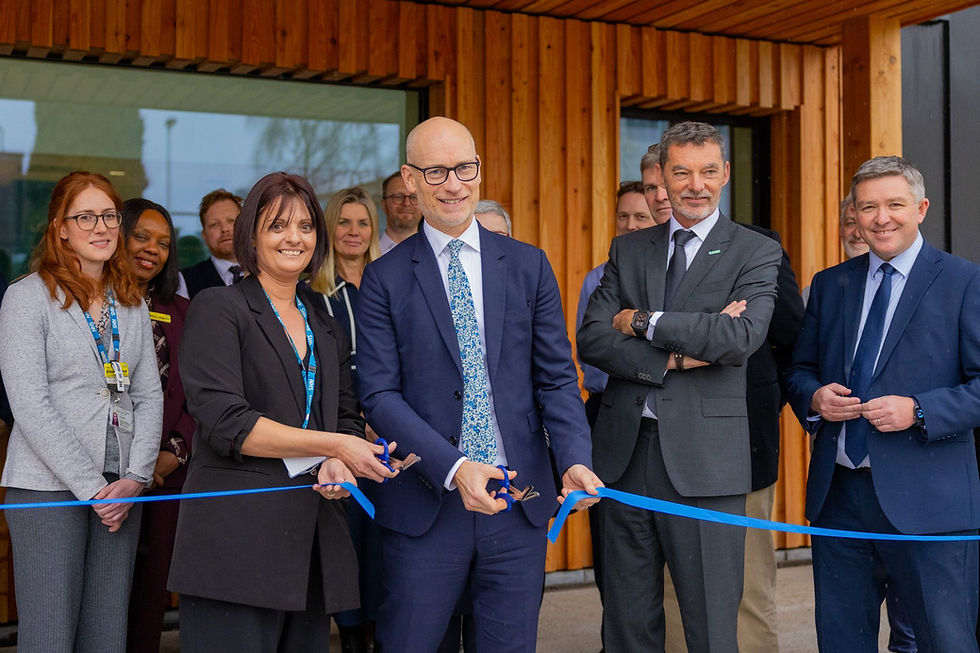
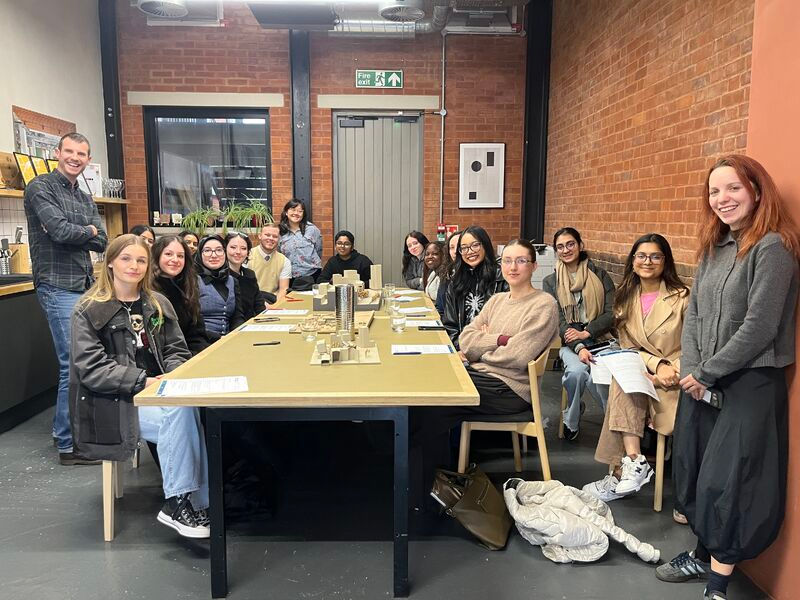

West Park, a new purpose-built student accommodation for The University of Exeter, has become the first of its kind to achieve WELL Residence pre-certification.
West Park and Birks Grange Village Student Housing
Living
Healthier Buildings
News
West Park development achieves WELL Residence precertification
Helen Murray
4 Dec 2025
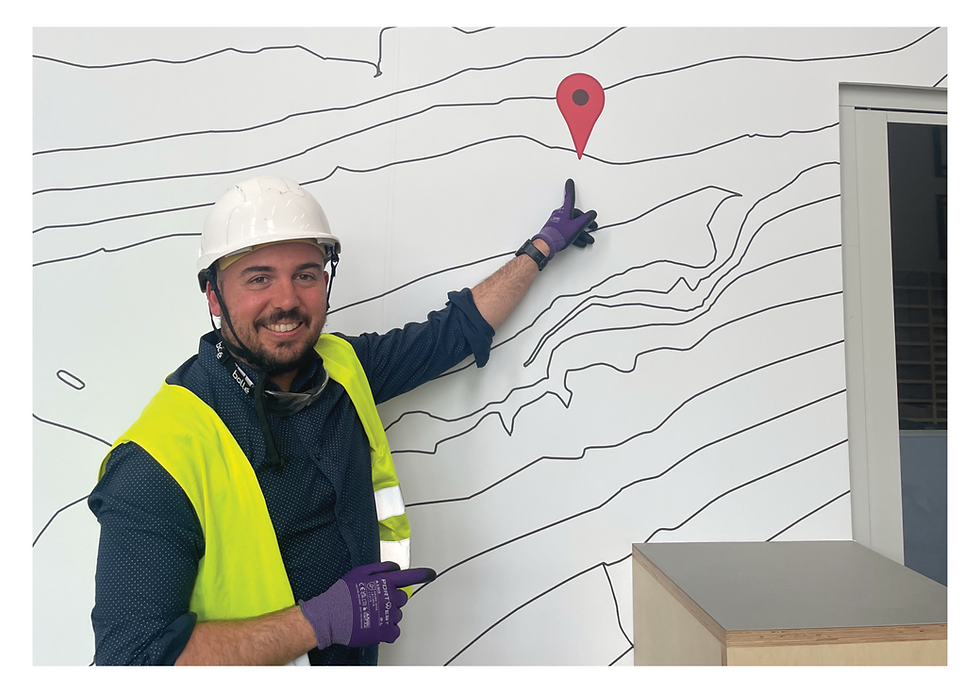
The new Currie Community High School in Edinburgh recently opened its doors, making history as one of Scotland’s first Passivhaus secondary schools; a significant milestone in the UK’s low-energy design agenda.
Currie Community High School
Article
Currie opens, Part 1: The Commitment Brief
Jorge Barreno Cardiel
1 Dec 2025
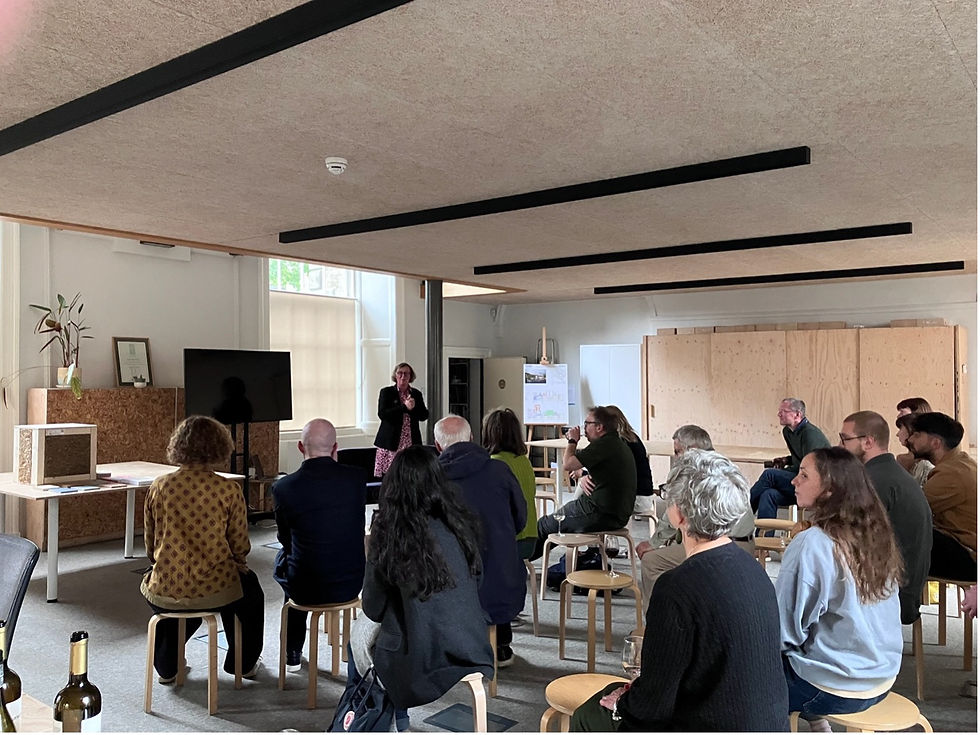
Architype’s Edinburgh studio hosted a film evening as part of 2025’s Architecture Fringe welcoming researchers from UK Treescapes, Deirde Heddon and Rachel Clive along with collaborators and members of the public.
News
Cultivating Reciprocal Connections: Looking Back on a Film Evening with UK Treescapes during Architecture Fringe 2025
Architype
26 Aug 2025
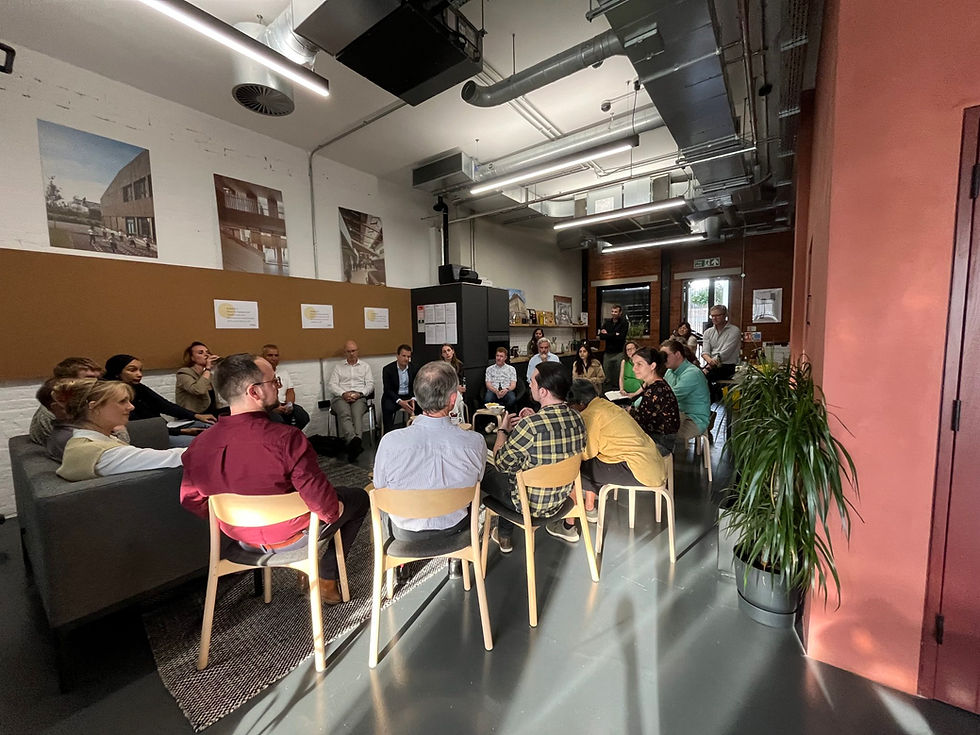
Architype welcomed collaborators to our London Studio for a roundtable discussion between actors at key stages of the material reuse journey
The Entopia Building
Transitioning to a Circular Economy
Article
Disrupting Circular Conversations: A Deconstruction and Material Reuse Roundtable
Architype
31 Jul 2025








.jpg)