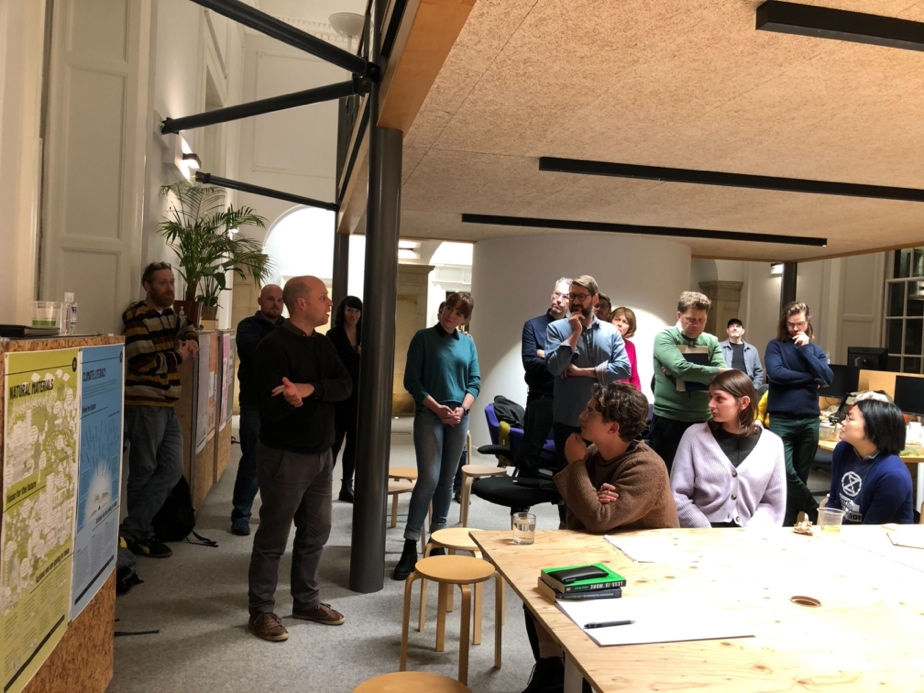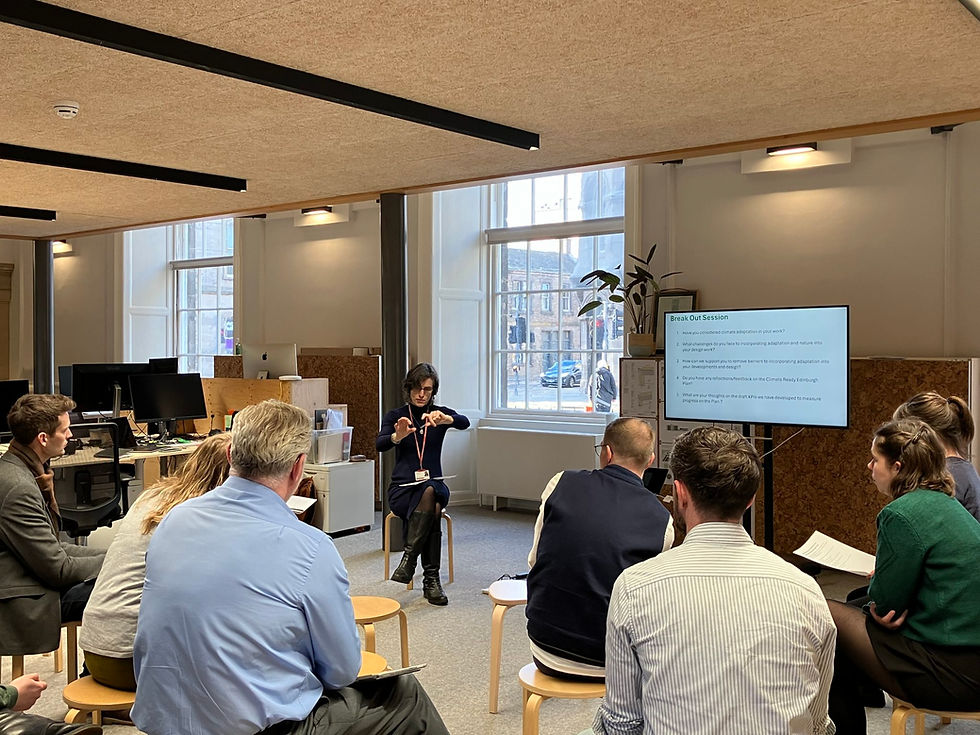
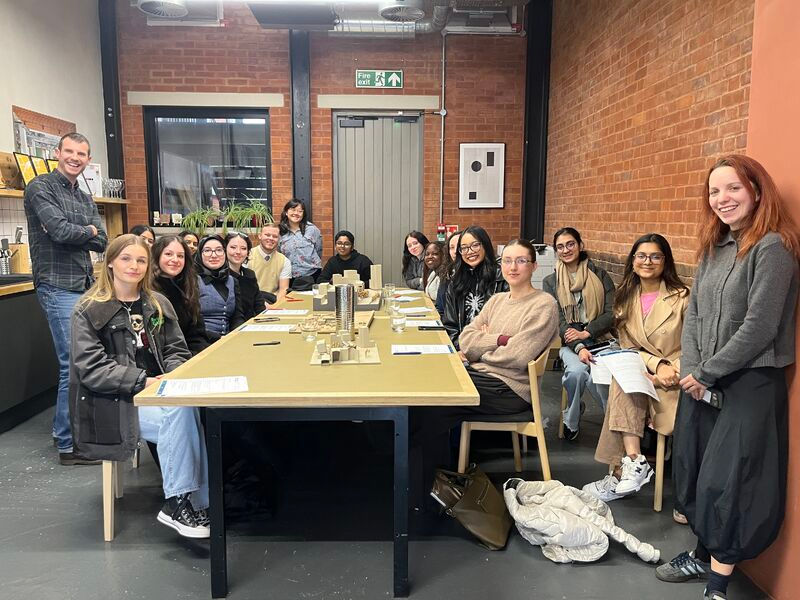
On Thursday the 18th of April, Architype's Edinburgh studio welcomed Fiona MacLeod and Julie Waldron – the City of Edinburgh Council’s Senior Climate Change and Sustainability Officer, and Climate Change Programme Manager - to the Old Assembly Hall for a built environment sector workshop around the developing Climate Ready Edinburgh adaptation plans.*
Adaptation is a more pressing concern than you may have thought. When we imagine climate actions we can take, we need to expand our focus beyond carbon and look at new ways to proactively design and prepare for what is coming. Even if carbon emissions were to be reduced to zero tomorrow, historical emissions and pollution will cause continual warming and planetary disregulation far into the future.
As Fiona and Julie explained to workshop participants, climate science is showing that we have collectively and consistently underestimated the speed and the magnitude of climate degradation. This means that the built environment that exists today is not prepared for the climate changed future of tomorrow - so must be adapted, and any buildings to be built, must be designed with adaptability in mind, based on these projections. The recently published 3°C Neighbourhood research co-authored by CIVIC SQUARE and Dark Matter Labs is an example of what this can look like.

Read the Draft Climate Ready Edinburgh Plan here
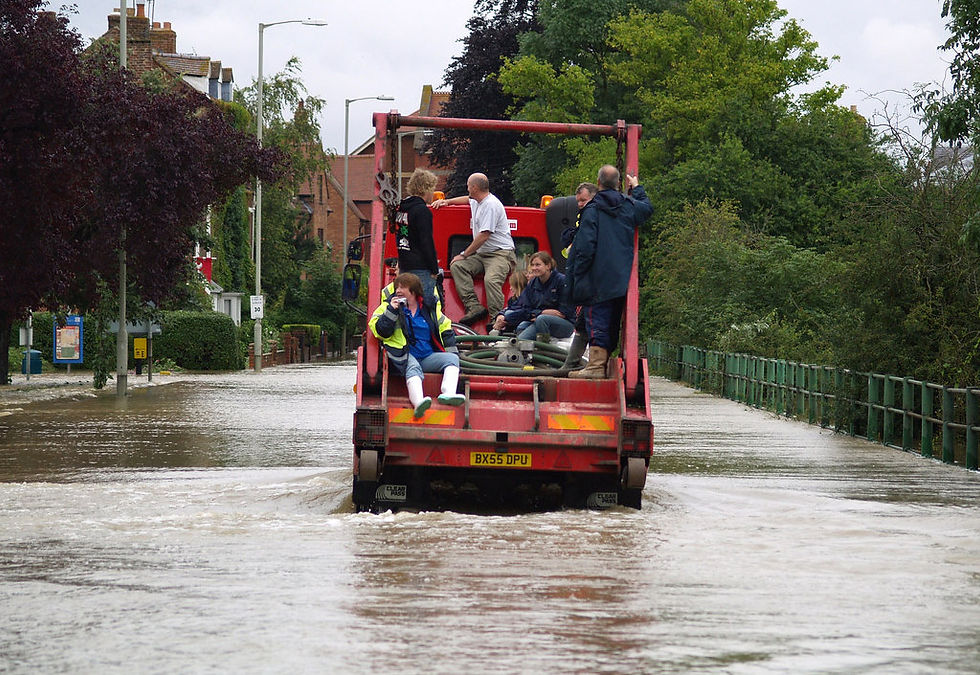
To put this into a Scottish context: recently published research from the James Hutton Institute determined that Scotland’s rainfall is already at levels of intensity and regularity that prior climate models assumed we would reach around 2050. Meaning, growing numbers of buildings in Scotland are unprepared for the climate of the future. Air pollution, overheating, surface water flooding, coastal erosion, rising sea levels, extreme weather events and heatwaves, drier summers, and rainier winters, are all set to increase in both frequency and intensity, and designing buildings are that are resilient to a changing climate is critical.
It’s important that serious discussions about adaptation – beyond the mitigation of embodied and operational carbon emissions, are taking place as we design. As serious plans about adapting to this new climate reality are co-developed by local authorities it is important that they are supported by hands-on experience from the construction sector and informed by the lived experiences of local community groups.

Advocating for collective and joined up solutions that stack community and environmental benefits, like Blue-Green infrastructure, and encouraging the implementation of KPIs that centre our health, such as the Centric Lab’s Biological Inequities Index, are ways that we can exercise our agency. Another action that we can take is to open our studios and co-host events in partnership with local authorities and organisations – like this one - creating opportunities to share our expertise, and to deepen collaborations, to imagine what local adaptation might look like, and to envision how its realisation might be carried out as part of a Just Transition of society at large.
After an introduction to the Adaptation Partnership and their work illustrating the climate future Edinburgh is expecting, the workshop opened out into a discussion between participants on how their work intersects with the adaptation necessary in the city.
Ewan Duffin, Associate Director at Harley Haddow commented:
"It was a really thought-provoking discussion session and it is good to see the City of Edinburgh Council taking the topic so seriously and looking to put policy in place. The built environment has one of the worst carbon footprints, and although we need to mitigate climate change where we can, it is clear that we are not moving the needle far enough in the right direction. Climate change is coming and we need to be designing the built environment to be ready for the new normal and so talking about adaption and policy around this is key, the sooner the better. The idea of introducing a new designation for a protected ecological zone for blue and green networks was a particularly interesting and encouraging proposal."
By Scott McAulay
*The Edinburgh Adapts partnership is a collaboration between the City of Edinburgh Council, Historic Environment Scotland, Nature Scot, NHS Lothian, Scottish Water, Edinburgh College, Sniffer, Heriot Watt University, Edinburgh Napier University, the University of Edinburgh. SEPA and Edinburgh World Heritage.
Related articles
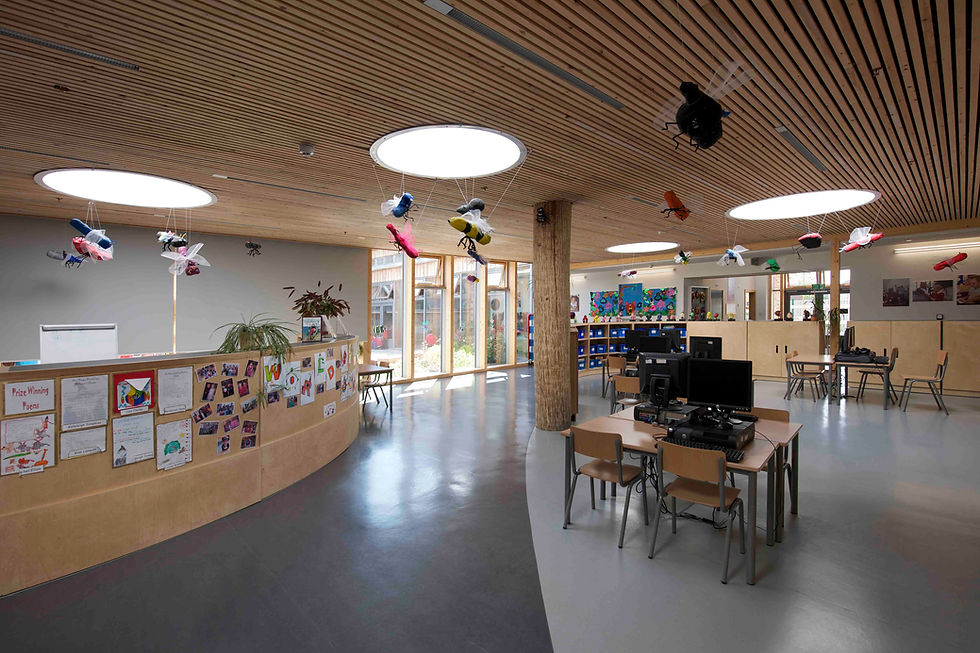
Our elegant retrofit of Liberton Nursery has been named a finalist in the Edinburgh Architectural Association's 2026 Awards
Liberton Nursery
Schools
Architecture
Material Impacts
Crafting High Performance Retrofit
News
Liberton Nursery recognised by the Edinburgh Architectural Association
Helen Murray
21 Sept 2026



Co-owners Sioned Holland and Dr Chryssa Thoua spoke to RIBA about designing healthy, resilient schools as part of a professional feature educating architects on key strategies.
Mulberry Academy London Docks
Harris Academy Sutton
Hackbridge Primary School
Building Physics
Building Performance
Climate Resilience
Publication
An architect's guide to heatwave resilience
Helen Murray
30 Jul 2026
2_tiff.png)
Join us on Thursday 9th July at 1pm as we talk through this innovative new tool that aims to empower local authorities to make real, data-informed decisions about their estates.
Research & Consultancy
Passivhaus
EnerPHit informed Retrofit Planning
Event
Launching the Estate Retrofit Toolkit
Helen Murray
2 Jul 2026
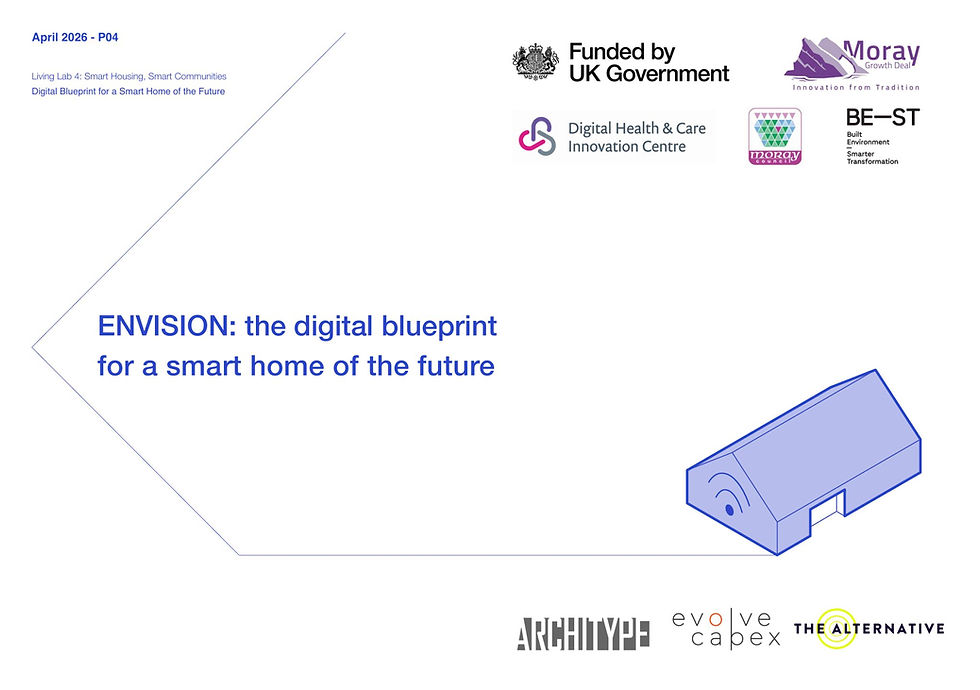
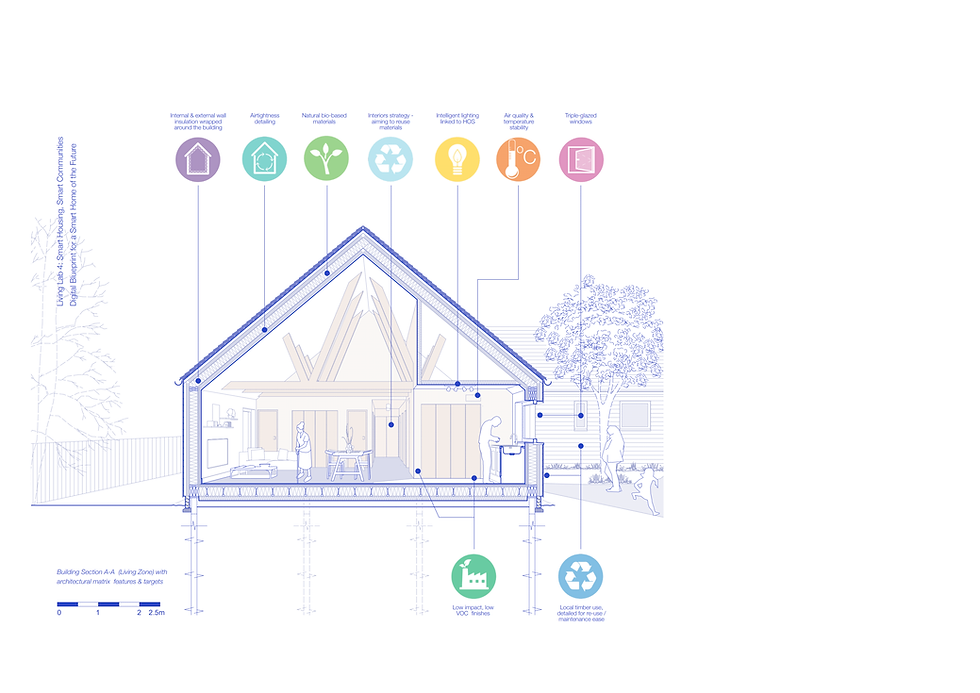
We're excited to support the launch of our collaboration on Envision: the digital blueprint for the smart home of the future with the Digital Health & Care Innovation Centre on 2nd June
Living
Research & Consultancy
Event
Launch of the Smart Home Digital Blueprint – secure your place now
Helen Murray
19 May 2026

The Royal Agricultural University's new Innovation Village, a low-carbon research, development and entrepreneurship hub, has been granted outline planning
RAU Innovation Village
Higher Education
Passivhaus
Net Zero Carbon Estates Strategies
News
RAU's Innovation Village granted outline planning
Helen Murray
14 May 2026




We are thrilled to celebrate Chyssa Thoua on passing her viva for her PhD research into the total health performance of primary schools in the UK
Research & Consultancy
Material Impacts
Healthier Buildings
Building in Biodiversity
Innovating with Natural Materials
News
Celebrating Chryssa's academic success
Helen Murray
23 Feb 2026

West Park, a new purpose-built student accommodation for The University of Exeter, has become the first of its kind to achieve WELL Residence pre-certification.
West Park and Birks Grange Village Student Housing
Living
Healthier Buildings
News
West Park development achieves WELL Residence precertification
Helen Murray
4 Dec 2025
The new Currie Community High School in Edinburgh recently opened its doors, making history as one of Scotland’s first Passivhaus secondary schools; a significant milestone in the UK’s low-energy design agenda.
Currie Community High School
Article
Currie opens, Part 1: The Commitment Brief
Jorge Barreno Cardiel
1 Dec 2025
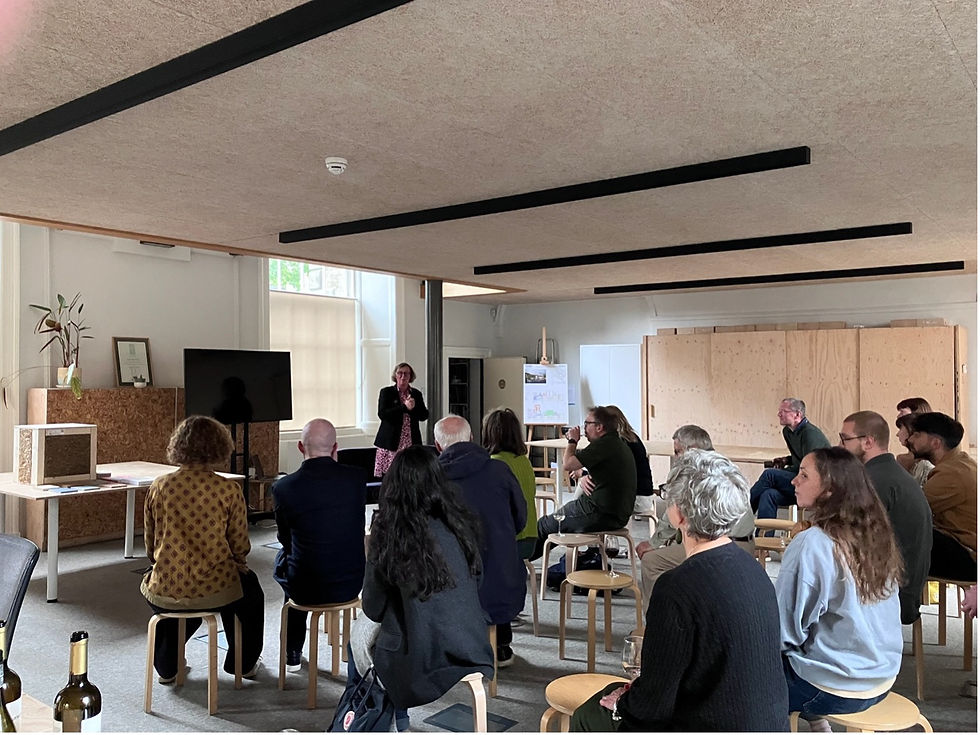
Architype’s Edinburgh studio hosted a film evening as part of 2025’s Architecture Fringe welcoming researchers from UK Treescapes, Deirde Heddon and Rachel Clive along with collaborators and members of the public.
News
Cultivating Reciprocal Connections: Looking Back on a Film Evening with UK Treescapes during Architecture Fringe 2025
Architype
26 Aug 2025
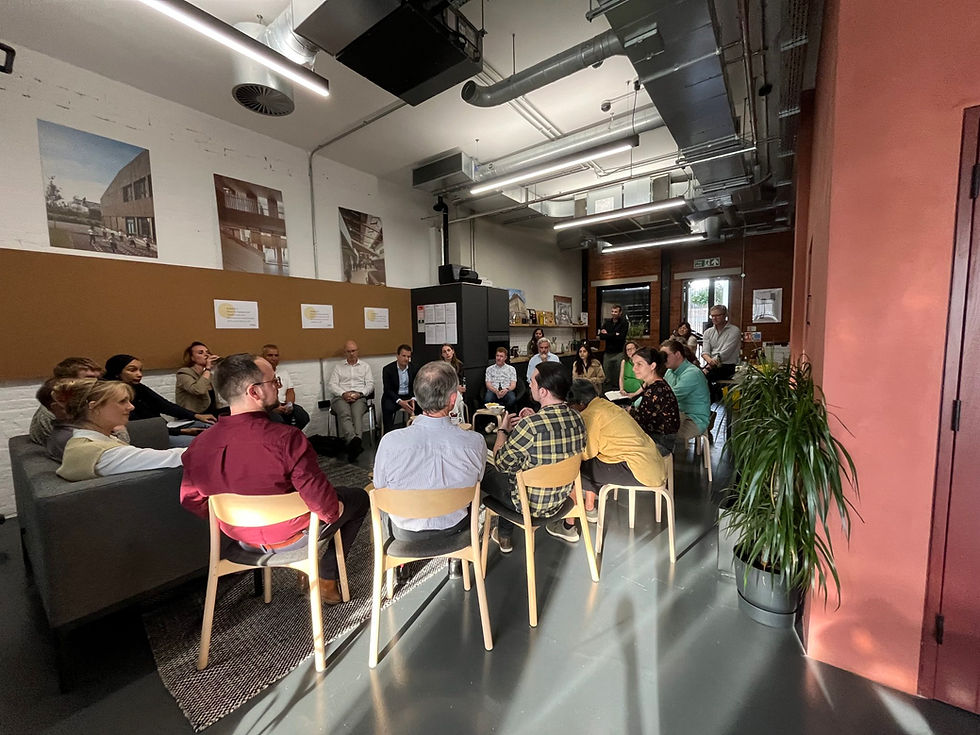
Architype welcomed collaborators to our London Studio for a roundtable discussion between actors at key stages of the material reuse journey
The Entopia Building
Transitioning to a Circular Economy
Article
Disrupting Circular Conversations: A Deconstruction and Material Reuse Roundtable
Architype
31 Jul 2025








.jpg)