The Architectural Review recently published an article about greenwashing, one of the more popular subjects in the office. The article included some excellent examples of greenwashing (fake rammed earth walls and silly static wind turbines on tower blocks), and surprisingly, it also referenced Passivhaus. The main criticism was that Passivhaus only focuses on operational energy and not embodied carbon.
There is no doubt we need to tackle both the operational energy and embodied (upfront) carbon of the buildings we design. These two issues are not mutually exclusive, quite the opposite.
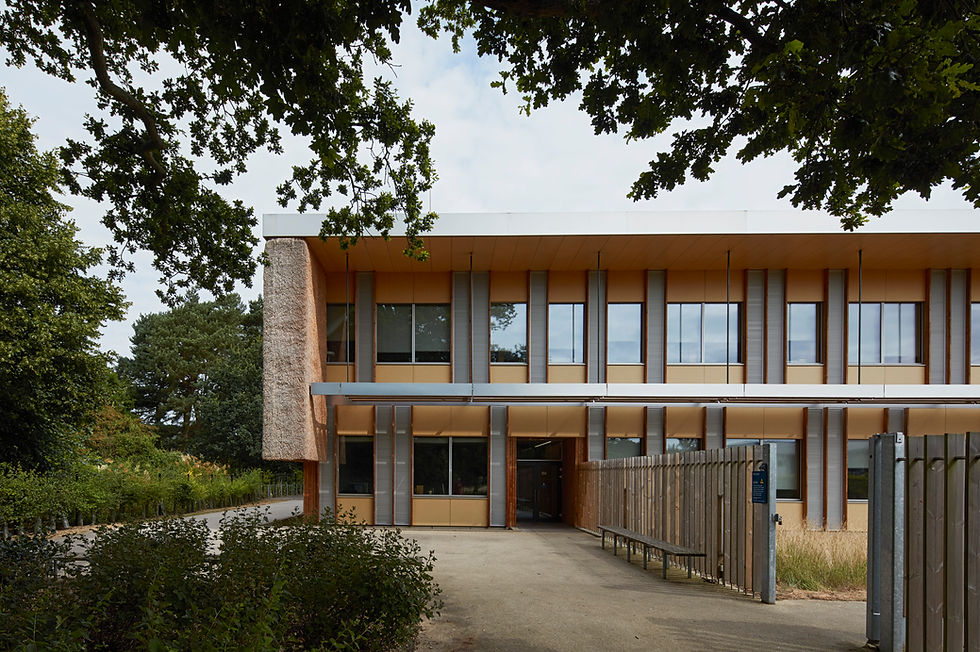
The Passivhaus and BREEAM Outstanding Enterprise Centre, University of East Anglia
The RIBA 2030 Climate Challenge calls for 2030 targets of less than 35kWh/m2/year operational energy and less than 300kgCO2e/m2embodied carbon (RICS Whole Life Carbon stages A-C) for all new domestic buildings. The target figures for non-domestic buildings are 50kWh/m2/year operational energy and less than 500kgCO2e/m2embodied carbon.
Passivhaus standard takes care of the operational energy with its 15kWh/m2/year heating energy demand threshold, but historically it has been agnostic about what materials are used (the embodied carbon). It could be timber, concrete, steel, foam or marshmallow.
It is true that an extra pane of glass in high performance windows, increased levels of insulation and central ventilation system all come with higher embodied carbon compared to the minimum code compliant buildings, but this extra embodied carbon is tiny in comparison with the operational energy saved over a lifetime of a building.
Typically, this extra embodied carbon is ‘paid back’ within a few years. One could also argue that the rigorous analytical process of using PHPP as a design tool encourages simpler, more compact forms, more sensible glazing and optimised use of insulation and, as a result, savings can be made on the overall quantities of materials. It is encouraging to see that the embodied carbon plug-in PHribbon is now available for PHPP.

Local thatchers at the Enterprise Centre, University of East Anglia
As a practice we love working with timber and other bio-based materials. They are healthy, renewable and have small embodied energy. They are also easy to reuse or recycle at the end of their life. We have pioneered the use of Masonite timber I-beams in UK back in the 1990s and have been using countless tonnes of recycled newspapers as wall and roof insulation. As an example, our recently designed Enterprise Centre at UEA Norwich is a timber frame structure from local Corsican pine, insulated with recycled cellulose and clad in thatch panels. A lot of materials used in the building come from a 30-mile radius. We achieved a 77% reduction in embodied carbon thanks to these efforts.
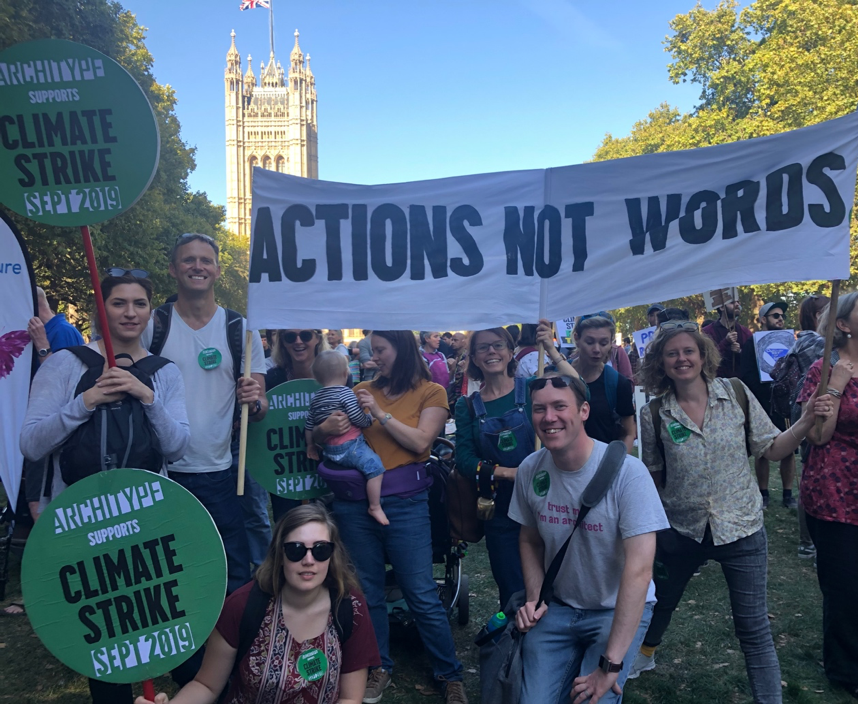
We can design and deliver buildings that meet or exceed the RIBA 2030 targets now. As Greta says ‘our house is on fire’ and we don’t have enough time to mess around with reinventing the wheel. The Passivhaus community is one that personifies the opposite of greenwashing, and it works for operational energy, comfort, build quality and closing the performance gap.
So let’s combine Passivhaus with an intelligent use of low impact materials to make a real difference.
For more information, contact Architype at london@architype.co.uk or hereford@architype.co.uk, or attend the upcoming masterclass ‘Getting to net zero’ and find out how Passivhaus is part of the low carbon future.
By George Mikurcik, Senior Architect & Passivhaus Designer
BArch DipArch
Related articles

.jpeg)

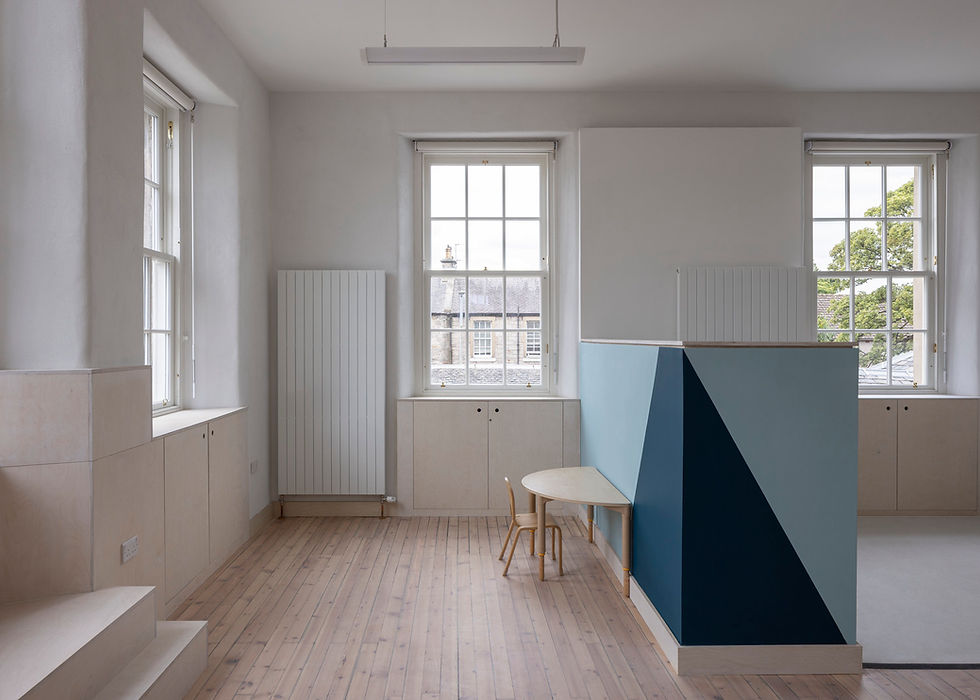
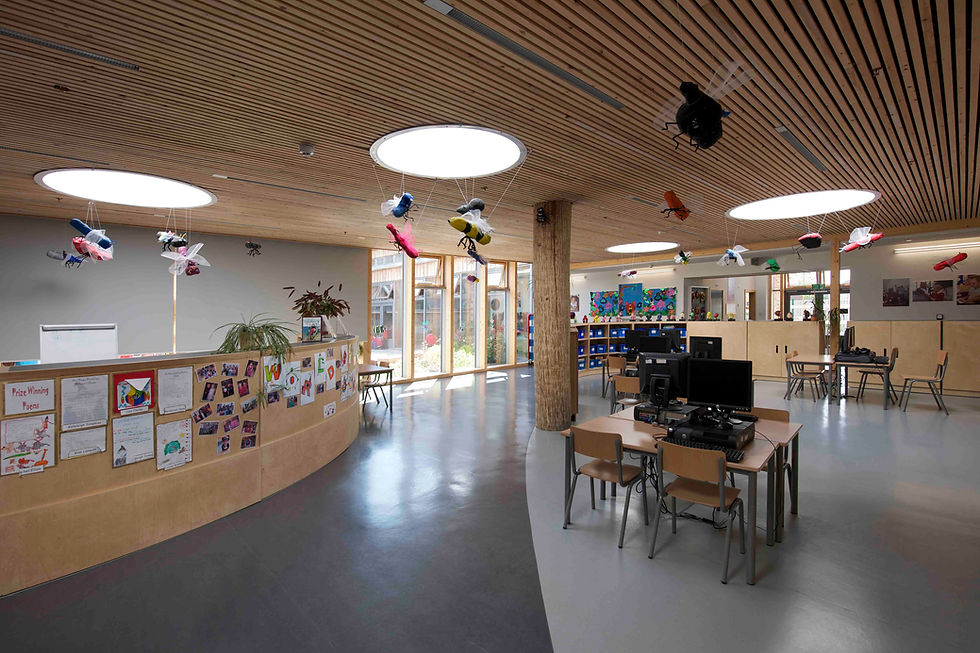
Our elegant retrofit of Liberton Nursery has been named a finalist in the Edinburgh Architectural Association's 2026 Awards
Liberton Nursery
Schools
Architecture
Material Impacts
Crafting High Performance Retrofit
News
Liberton Nursery recognised by the Edinburgh Architectural Association
Helen Murray
21 Sept 2026
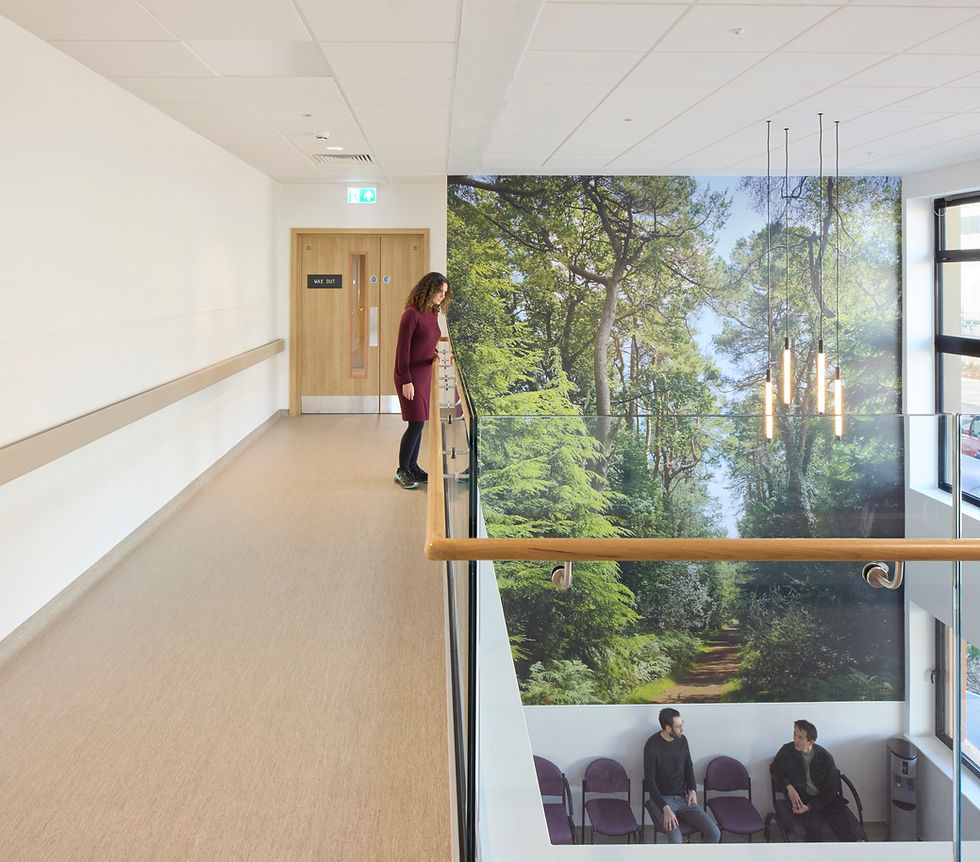



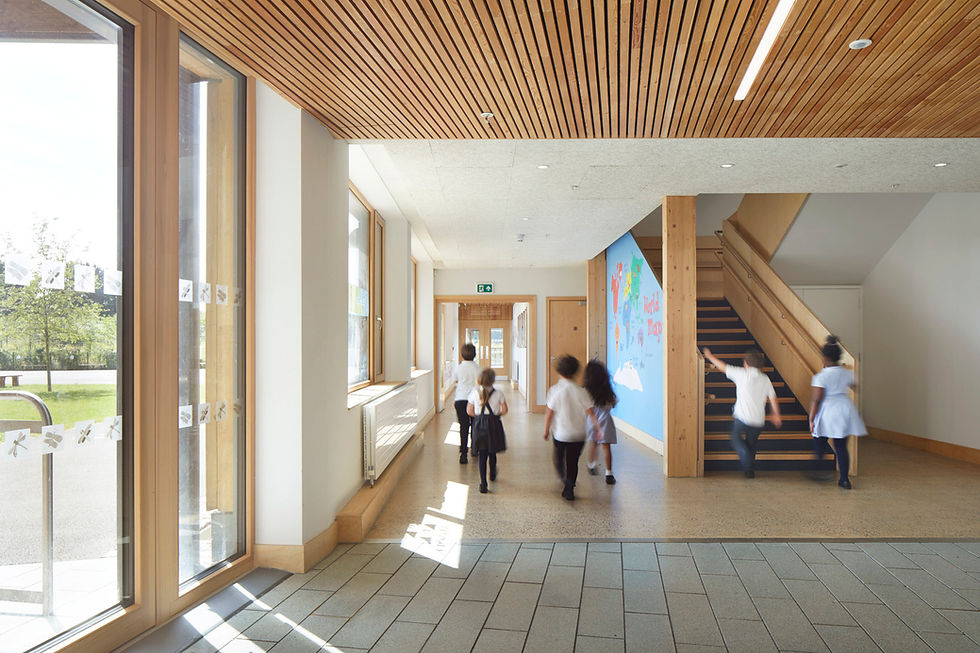
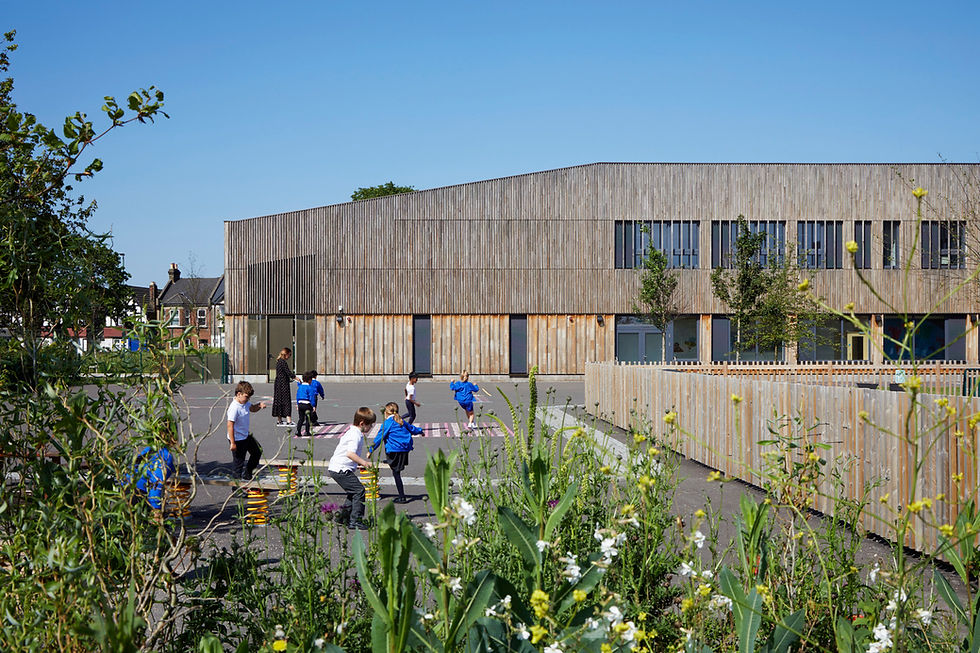
Co-owners Sioned Holland and Dr Chryssa Thoua spoke to RIBA about designing healthy, resilient schools as part of a professional feature educating architects on key strategies.
Mulberry Academy London Docks
Harris Academy Sutton
Hackbridge Primary School
Building Physics
Building Performance
Climate Resilience
Publication
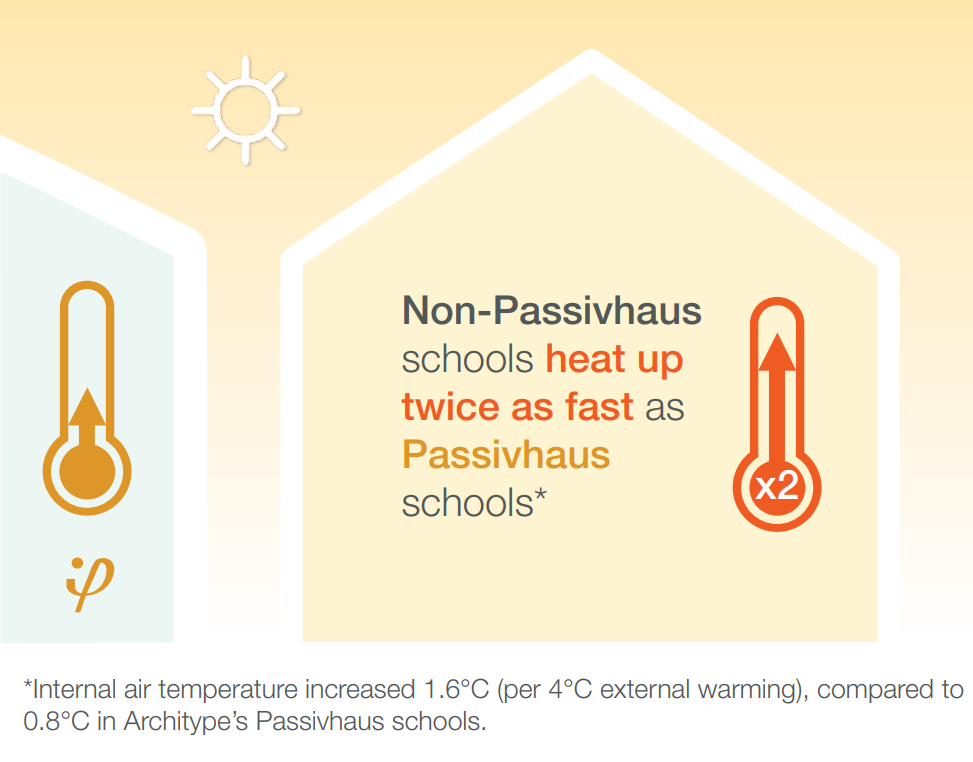
An architect's guide to heatwave resilience
Sioned Holland
Chryssa Thoua
30 Jul 2026
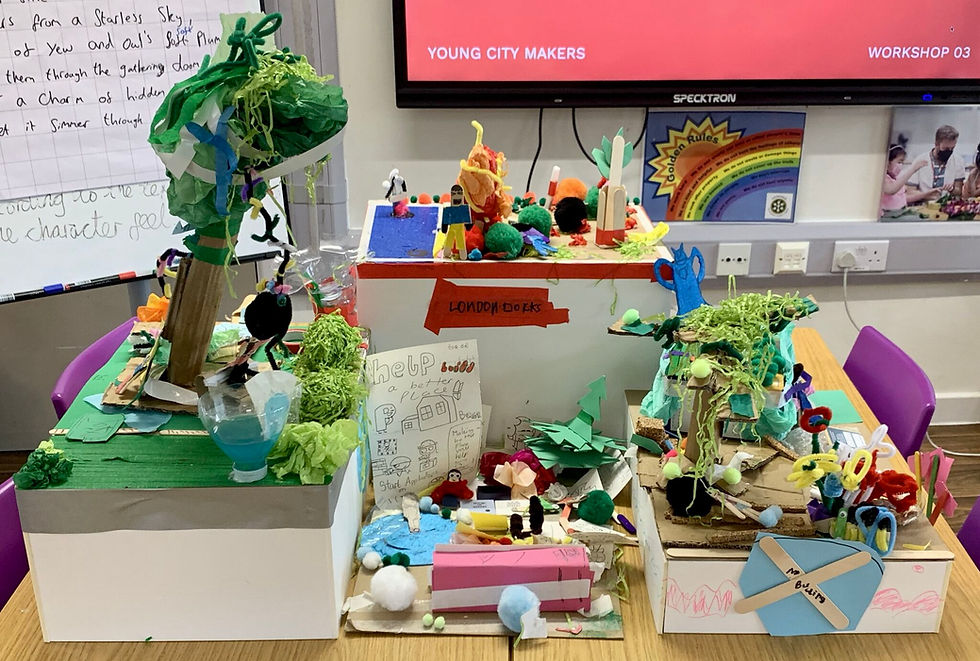
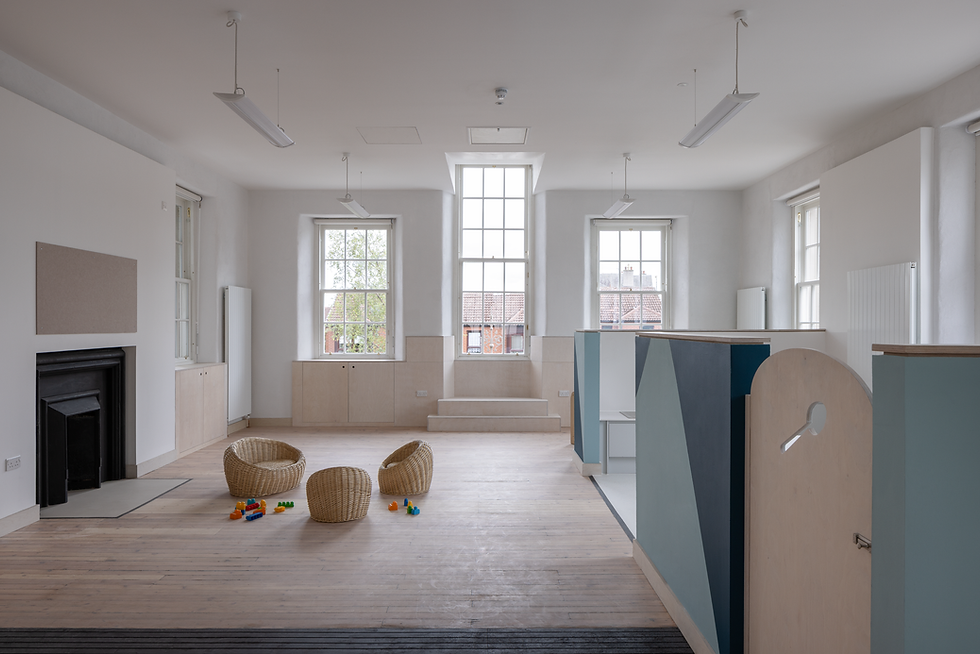2_tiff.png)
Join us on Thursday 9th July at 1pm as we talk through this innovative new tool that aims to empower local authorities to make real, data-informed decisions about their estates.
Research & Consultancy
Passivhaus
EnerPHit informed Retrofit Planning
Event
Launching the Estate Retrofit Toolkit
Architype
2 Jul 2026
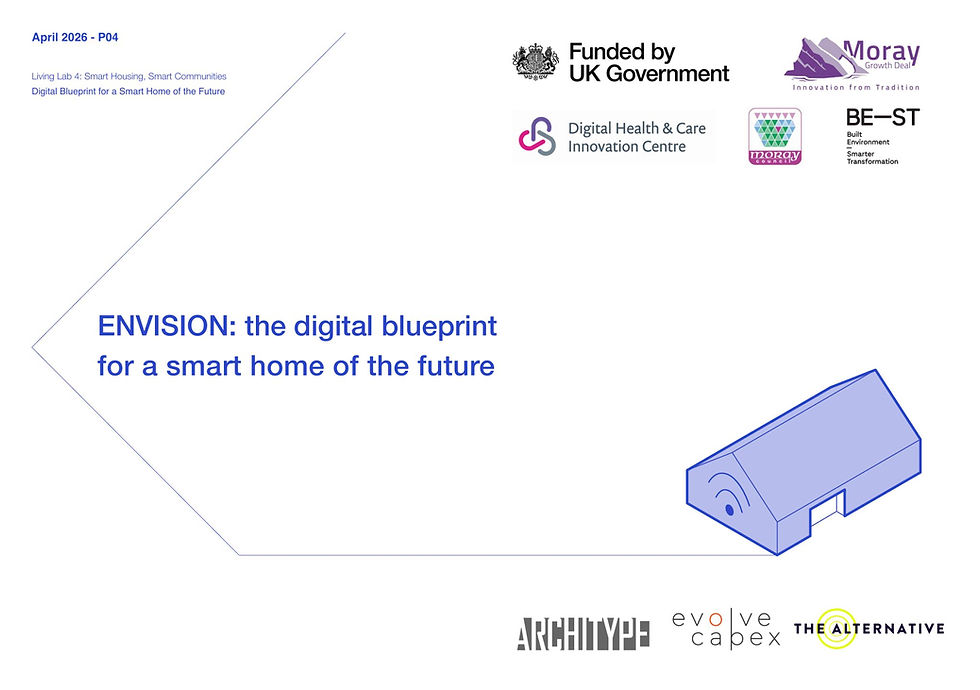
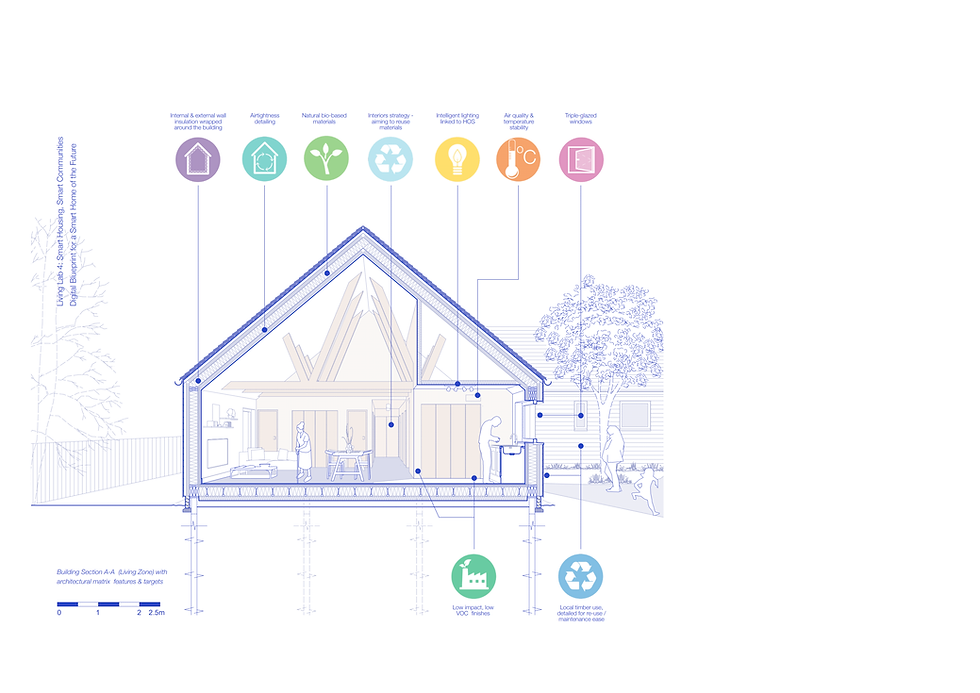
We're excited to support the launch of our collaboration on Envision: the digital blueprint for the smart home of the future with the Digital Health & Care Innovation Centre on 2nd June
Living
Research & Consultancy
Event
Launch of the Smart Home Digital Blueprint – secure your place now
Architype
19 May 2026

The Royal Agricultural University's new Innovation Village, a low-carbon research, development and entrepreneurship hub, has been granted outline planning
RAU Innovation Village
Higher Education
Passivhaus
Net Zero Carbon Estates Strategies
News
RAU's Innovation Village granted outline planning
Helen Murray
14 May 2026

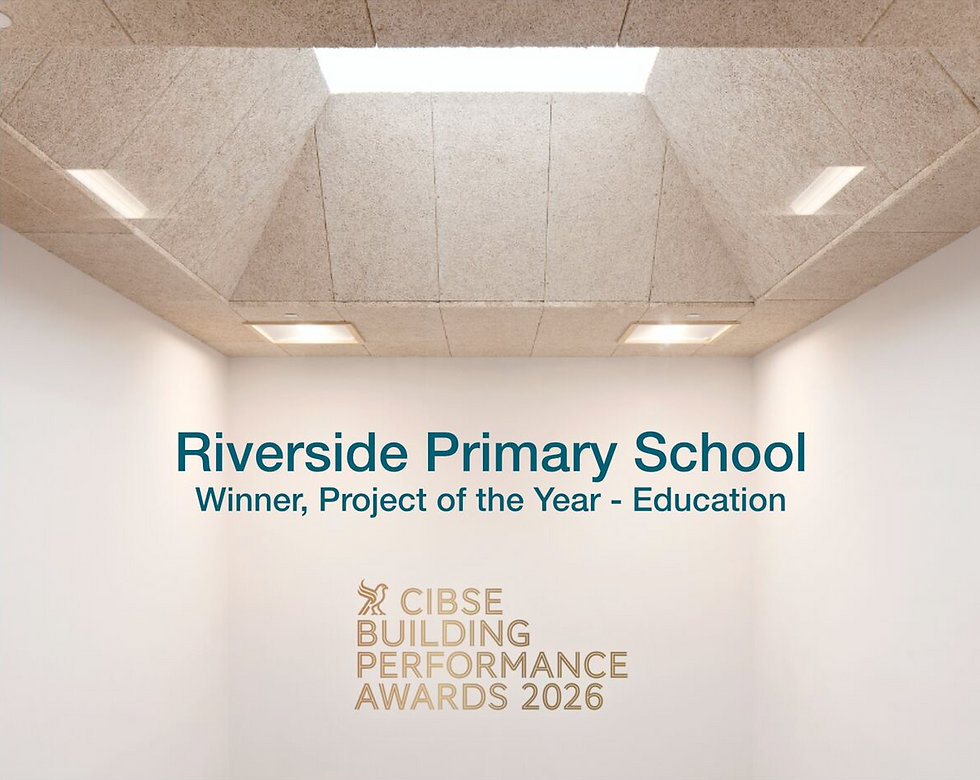

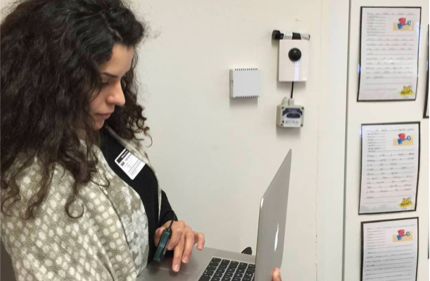
We are thrilled to celebrate Chyssa Thoua on passing her viva for her PhD research into the total health performance of primary schools in the UK
Research & Consultancy
Material Impacts
Healthier Buildings
Building in Biodiversity
Innovating with Natural Materials
News
Celebrating Chryssa's academic success
Architype
23 Feb 2026
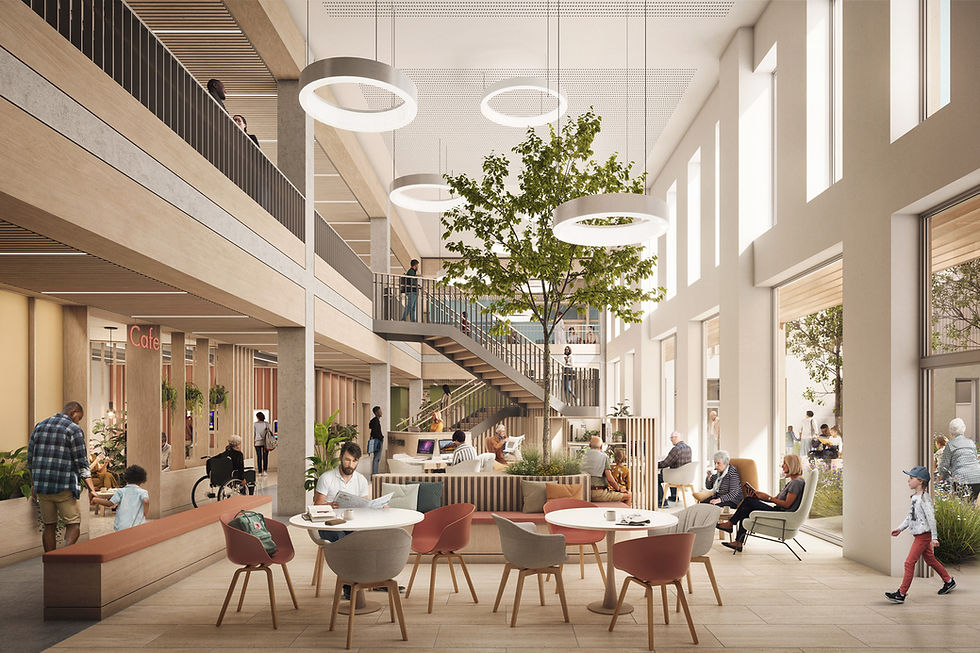
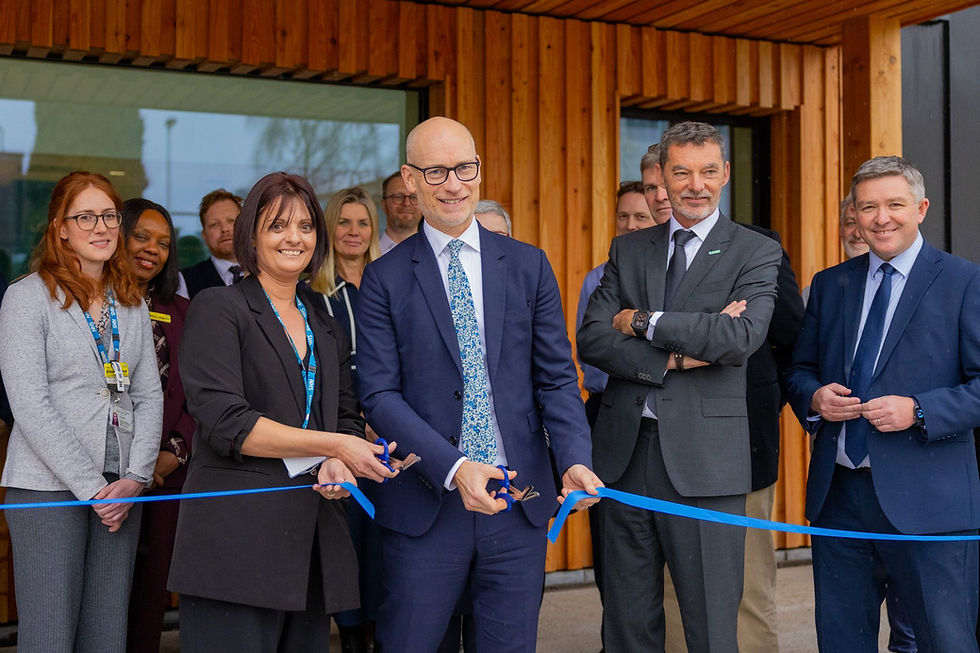
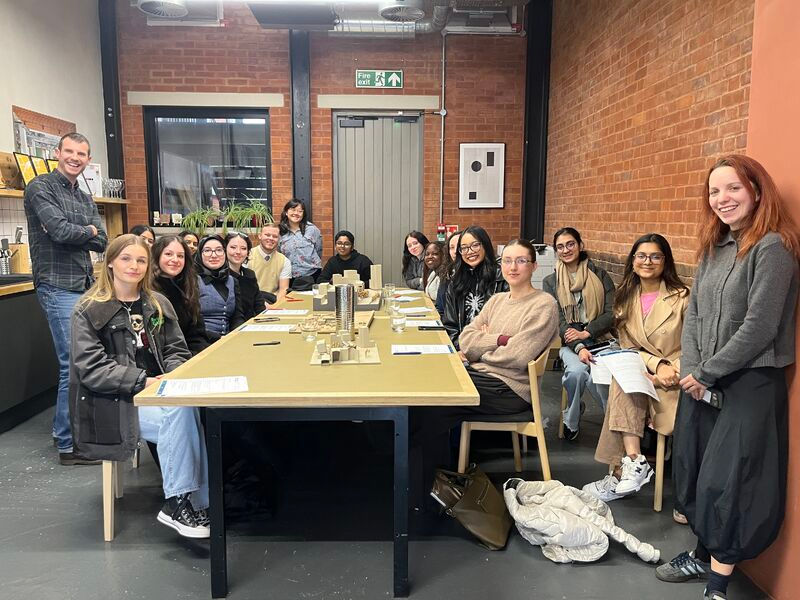

West Park, a new purpose-built student accommodation for The University of Exeter, has become the first of its kind to achieve WELL Residence pre-certification.
West Park and Birks Grange Village Student Housing
Living
Healthier Buildings
News
West Park development achieves WELL Residence precertification
Helen Murray
4 Dec 2025
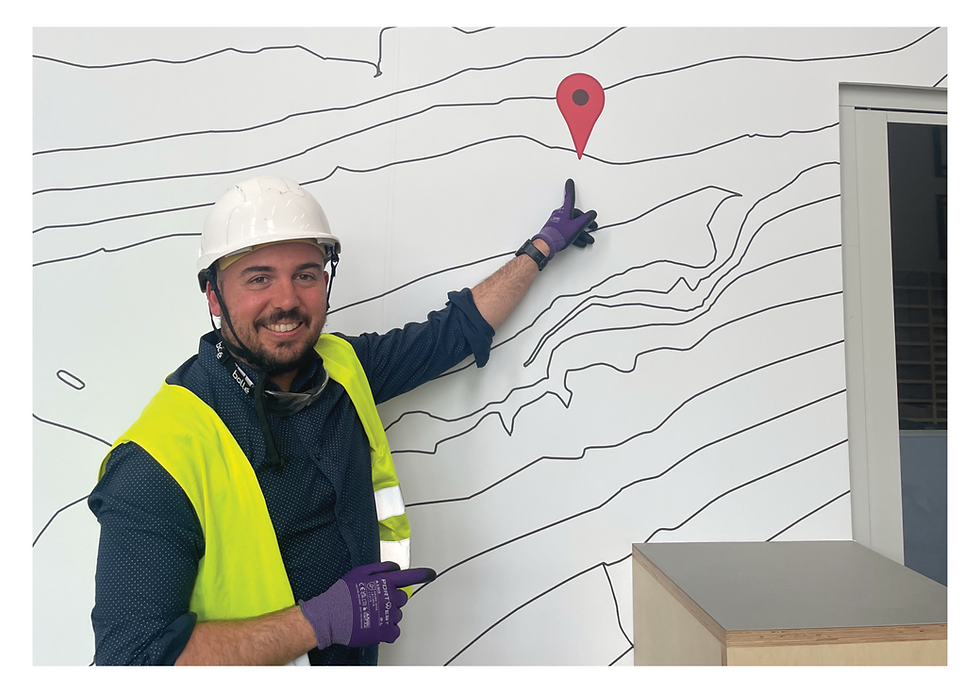
The new Currie Community High School in Edinburgh recently opened its doors, making history as one of Scotland’s first Passivhaus secondary schools; a significant milestone in the UK’s low-energy design agenda.
Currie Community High School
Article
Currie opens, Part 1: The Commitment Brief
Jorge Barreno Cardiel
1 Dec 2025
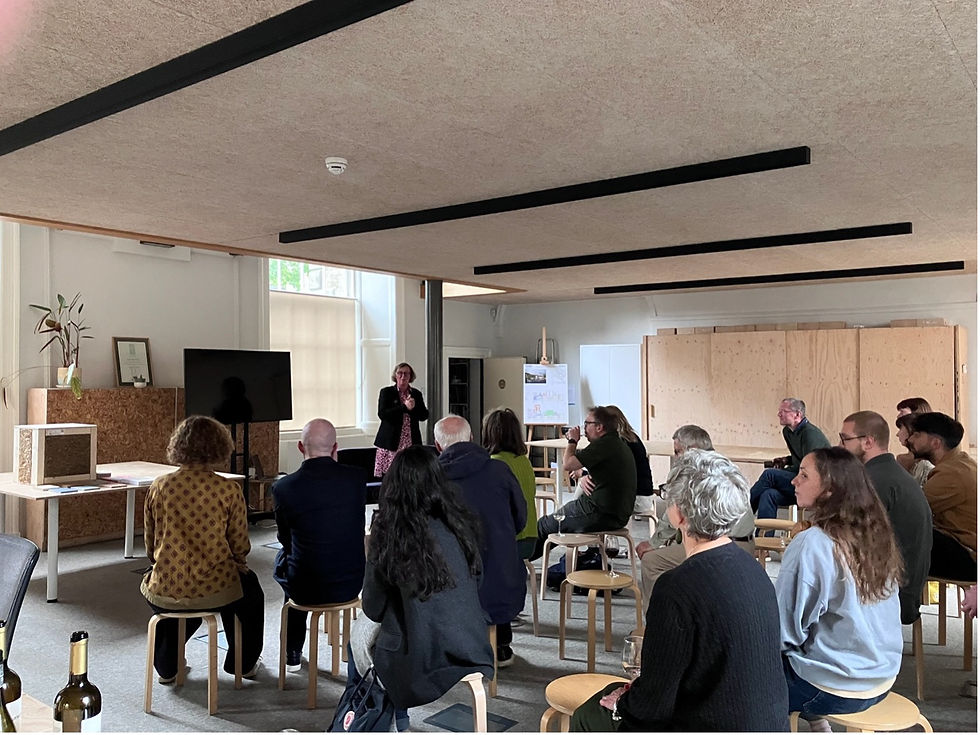
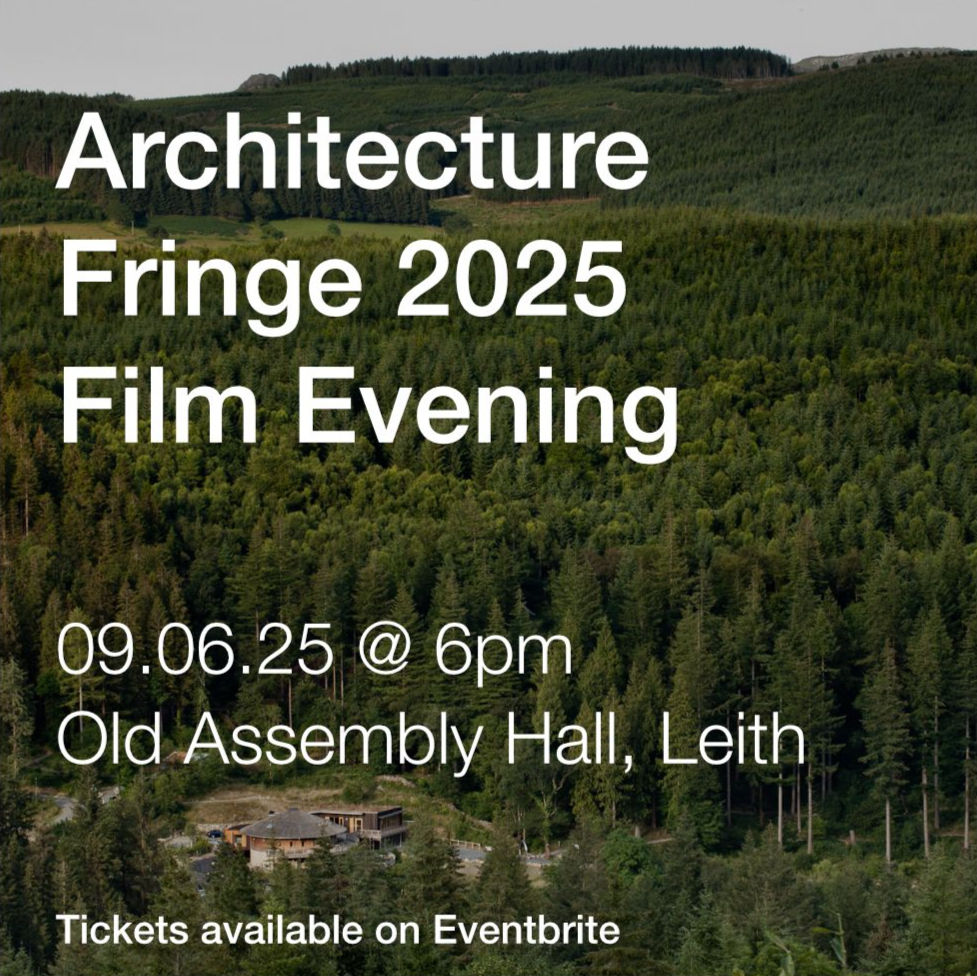
Architype’s Edinburgh studio hosted a film evening as part of 2025’s Architecture Fringe welcoming researchers from UK Treescapes, Deirde Heddon and Rachel Clive along with collaborators and members of the public.
News
Cultivating Reciprocal Connections: Looking Back on a Film Evening with UK Treescapes during Architecture Fringe 2025
Architype
26 Aug 2025
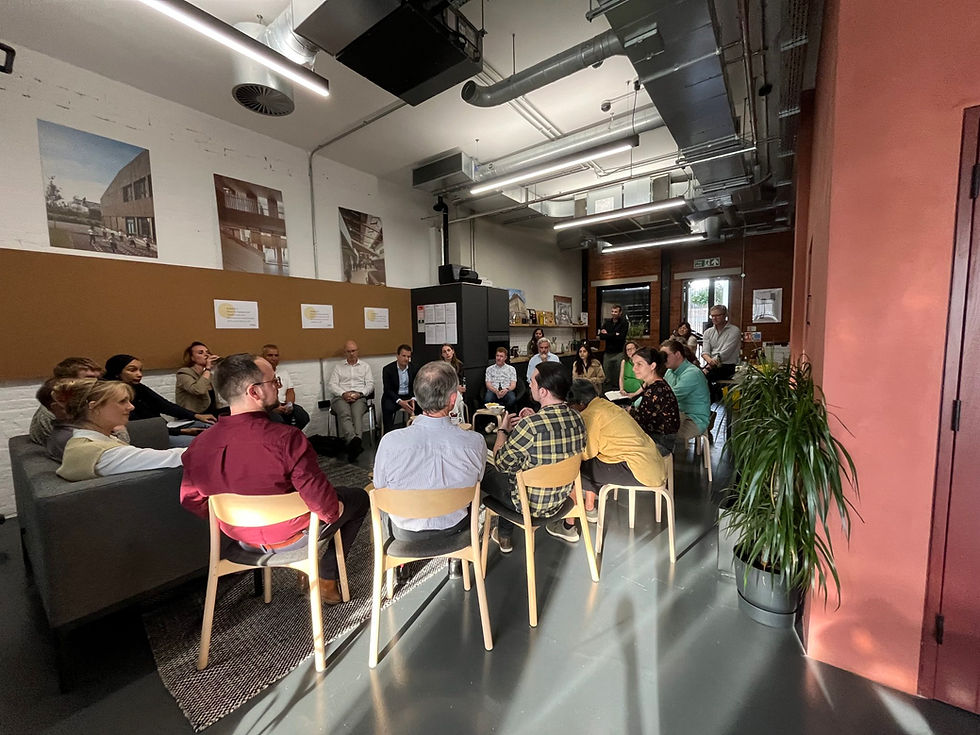
Architype welcomed collaborators to our London Studio for a roundtable discussion between actors at key stages of the material reuse journey
The Entopia Building
Transitioning to a Circular Economy
Article
Disrupting Circular Conversations: A Deconstruction and Material Reuse Roundtable
Architype
31 Jul 2025







.jpg)