Architype researcher Chryssa Thoua DiplArchEng MSc MRes undertaking post occupancy evaluation
Architype researcher Chryssa Thoua DiplArchEng MSc MRes undertaking post occupancy evaluation.
The quality of air we breathe is fundamental to our health. A World Health Organisation report in 2018 highlighted how pollution can have a particularly adverse impact on children, whose lungs are still developing, with the UK having the highest prevalence of childhood asthma among all European countries.*
As well as pollutants, other factors such as temperature and levels of fresh air (using CO2 concentration as a proxy for fresh air) can have a major impact on children’s learning, so a holistic look at indoor environments is required.
Architype’s previous research into Passivhaus schools (the KEEN project with Coventry University) highlighted how the Passivhaus approach achieved very stable temperatures, excellent levels of CO2 as well as ultra low energy consumption.

Chart shows the stable summer temperatures of Architype’s Passivhaus
schools compared to a conventional 1970s building

Graph shows the lower levels of CO2 achieved in Architype’s Passivhaus schools compared to a typical 1970s school, which in some cases exceeded the Building Bulletin 101 school design standards
While this research has proved invaluable in constantly improving performance in our Passivhaus schools, there was a lack of evidence for broader air quality indicators that are so vital in children’s health.
To fill this gap, Architype’s researcher Chryssa Thoua has been undertaking a doctoral research degree supported by Architype and the Engineering and Physical Sciences Research Council at University College London’s Institute for Environmental Design and Engineering. The in-depth four year study is nearing its conclusion in March 2021. The research comprehensively assesses a complex range of metrics in four of Architype’s Passivhaus schools, comparing the results to UK Sinphonie (Schools Indoor Pollution and Health: Observatory Network in Europe) data to understand how Passivhaus schools perform in comparison to other building types.
The research looks at temperature, relative humidity, carbon dioxide and pollutants including particulate matter, nitrogen dioxide and total volatile organic compounds (VOCs). As well as remote monitoring systems, Chryssa spent two weeks in each school, during summer and winter because of the wide variance in results between the two seasons. As well as extensive scientific analysis in UCL laboratories, the up-close observations in three classrooms in each school allowed variances in classroom occupancy, location and orientation to be taken into account when interpreting the results.

Some of the monitoring equipment used in classrooms and around the schools during the research
The schools chosen for the study include an inner London school, a rural school in Wales and two suburban schools in Wolverhampton. Questionnaires for teachers and students tracked perceived indoor air quality and thermal comfort as well as levels of user control over the indoor environment.
“I hope the research will provide a framework for properly assessing indoor air quality in all schools and address the lack of evidence and benchmarking there currently is in this area.” Chryssa comments.
“This research will help to shape policy and hopefully mean that new standards are set, protecting the health of children.
“It will also provide insights for schools and school designers as pollutants don’t only come from external sources like traffic – indoor sources such as the choice of cleaning products, paints, building products, teaching materials, floor coverings and furniture can all impact the quality of classroom air. As VOCs have been linked to carcinogenicity in humans, data from the research has reinforced the need for architects to specify natural non-toxic materials that will limit our exposure to pollutants." she concludes. Other insights are likely to highlight how differences in window design and ventilation systems can impact on classroom environmental quality. For example, designers have the opportunity to reduce traffic-related particulate matter with mechanical ventilation in airtight Passivhaus schools, and to better understand the conditions for good air quality.
As the results are calibrated they are highlighting how much more we have to learn on this essential subject – emphasising the importance of us all going back to school to improve results.
* Reference: https://www.erswhitebook.org/chapters/childhood-asthma/
Related articles

.jpeg)

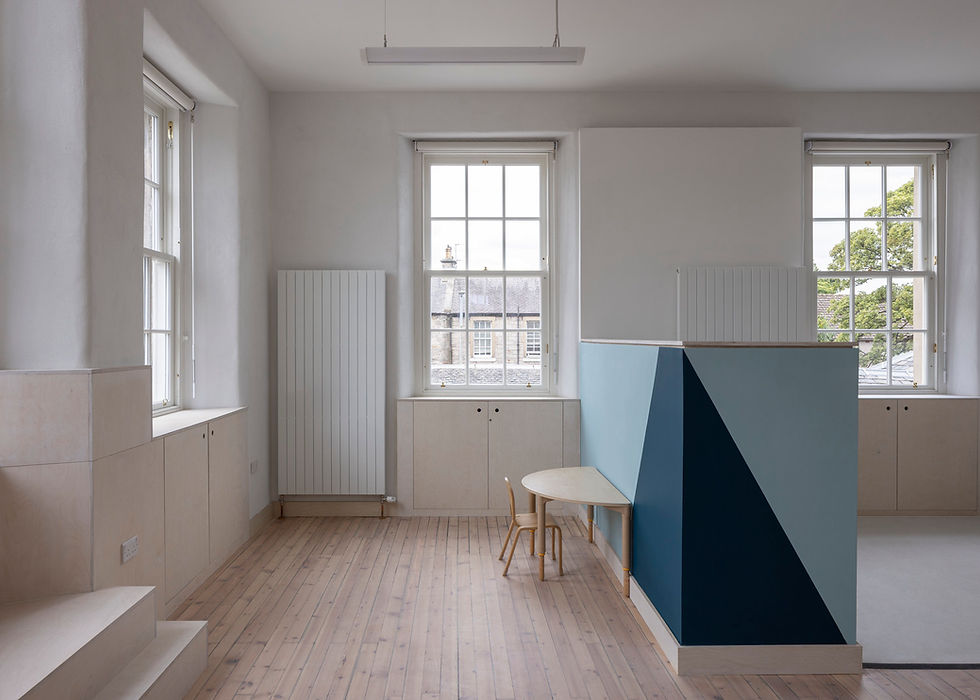
Our elegant retrofit of Liberton Nursery has been named a finalist in the Edinburgh Architectural Association's 2026 Awards
Liberton Nursery
Schools
Architecture
Material Impacts
Crafting High Performance Retrofit
News
Liberton Nursery recognised by the Edinburgh Architectural Association
Helen Murray
21 Sept 2026
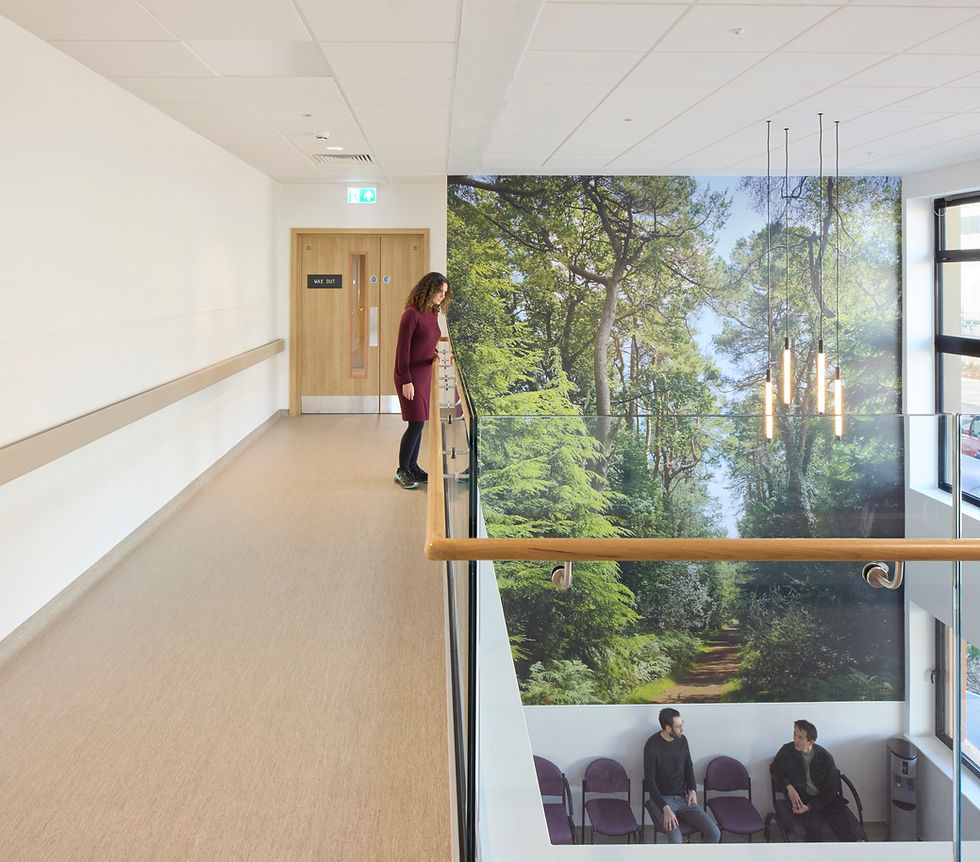




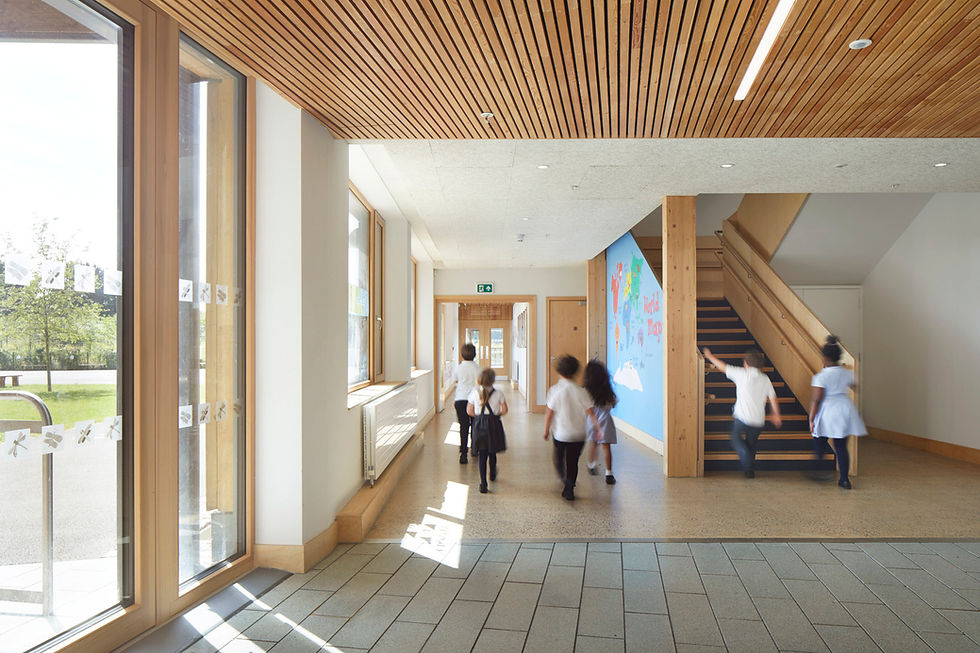
Co-owners Sioned Holland and Dr Chryssa Thoua spoke to RIBA about designing healthy, resilient schools as part of a professional feature educating architects on key strategies.
Mulberry Academy London Docks
Harris Academy Sutton
Hackbridge Primary School
Building Physics
Building Performance
Climate Resilience
Publication
An architect's guide to heatwave resilience
Sioned Holland
Chryssa Thoua
30 Jul 2026
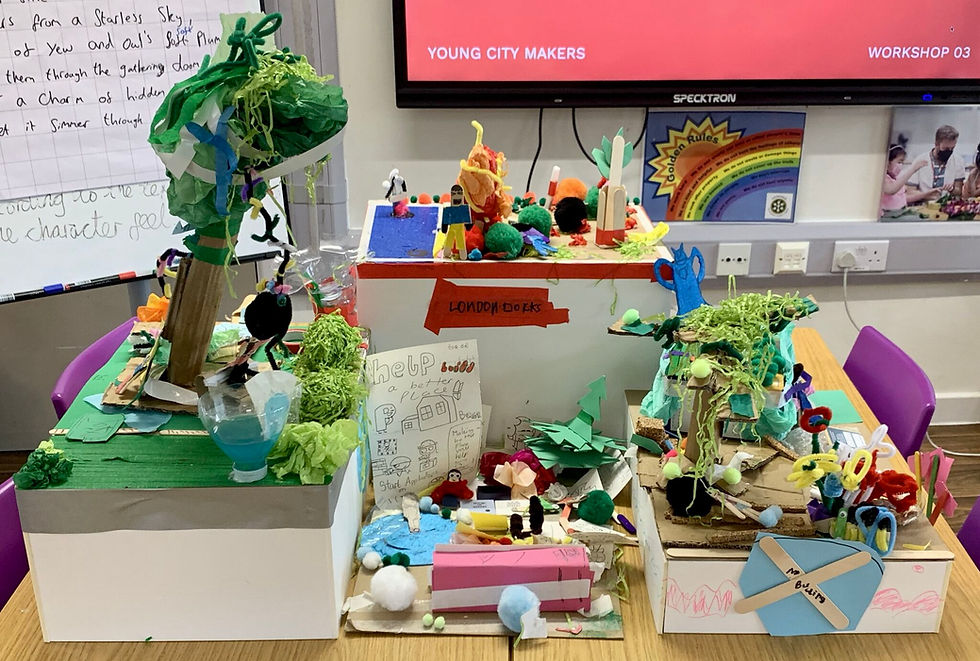
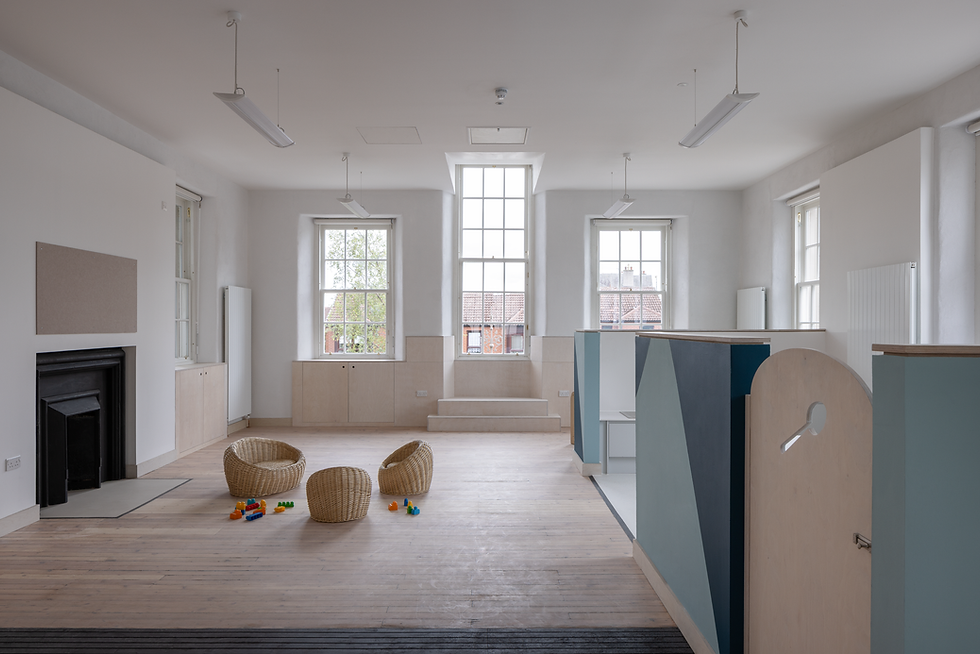2_tiff.png)
Join us on Thursday 9th July at 1pm as we talk through this innovative new tool that aims to empower local authorities to make real, data-informed decisions about their estates.
Research & Consultancy
Passivhaus
EnerPHit informed Retrofit Planning
Event
Launching the Estate Retrofit Toolkit
Architype
2 Jul 2026

We're excited to support the launch of our collaboration on Envision: the digital blueprint for the smart home of the future with the Digital Health & Care Innovation Centre on 2nd June
Living
Research & Consultancy
Event
Launch of the Smart Home Digital Blueprint – secure your place now
Architype
19 May 2026

The Royal Agricultural University's new Innovation Village, a low-carbon research, development and entrepreneurship hub, has been granted outline planning
RAU Innovation Village
Higher Education
Passivhaus
Net Zero Carbon Estates Strategies
News
RAU's Innovation Village granted outline planning
Helen Murray
14 May 2026




We are thrilled to celebrate Chyssa Thoua on passing her viva for her PhD research into the total health performance of primary schools in the UK
Research & Consultancy
Material Impacts
Healthier Buildings
Building in Biodiversity
Innovating with Natural Materials
News
Celebrating Chryssa's academic success
Architype
23 Feb 2026
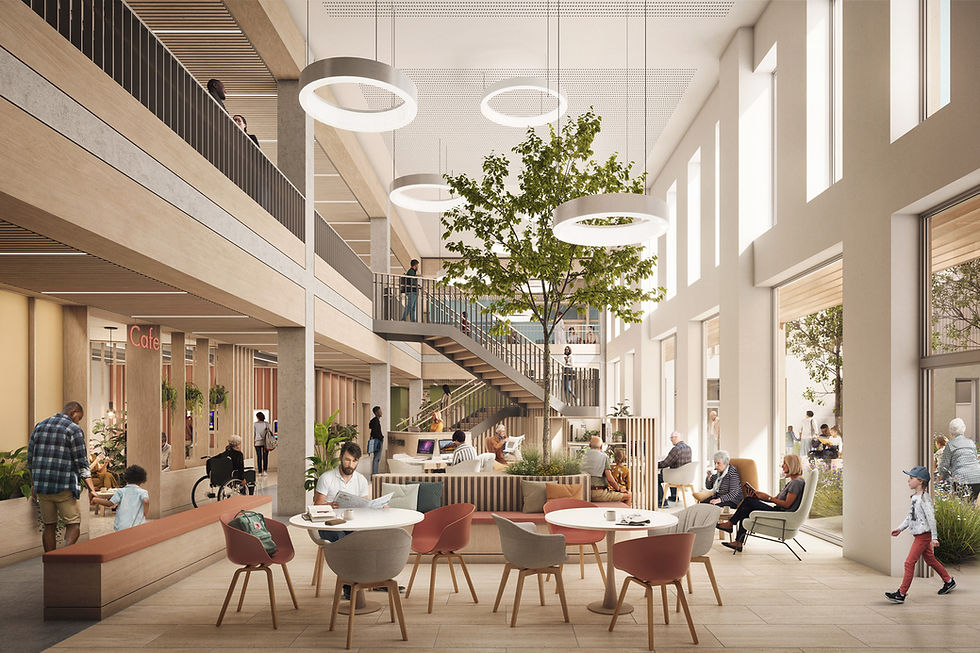
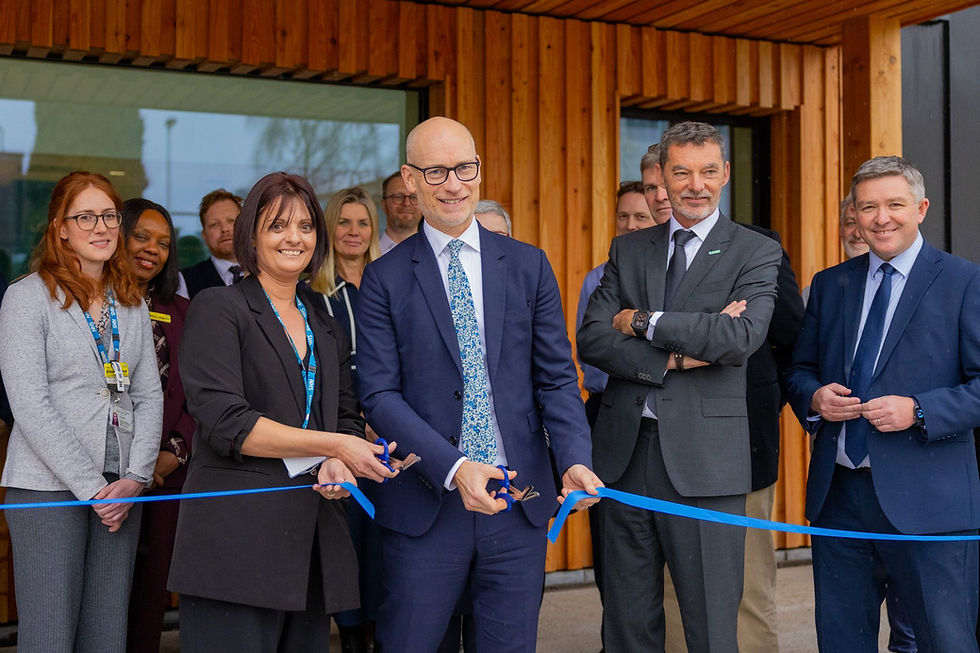
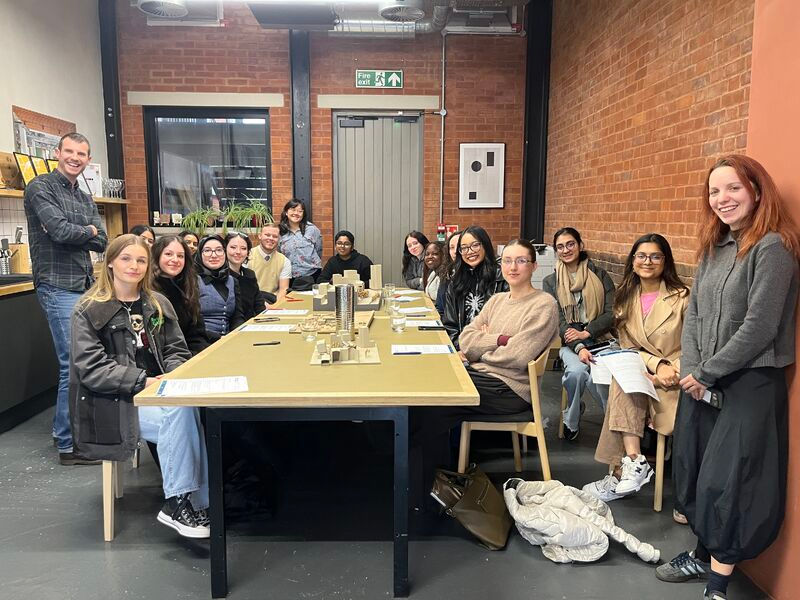

West Park, a new purpose-built student accommodation for The University of Exeter, has become the first of its kind to achieve WELL Residence pre-certification.
West Park and Birks Grange Village Student Housing
Living
Healthier Buildings
News
West Park development achieves WELL Residence precertification
Helen Murray
4 Dec 2025
The new Currie Community High School in Edinburgh recently opened its doors, making history as one of Scotland’s first Passivhaus secondary schools; a significant milestone in the UK’s low-energy design agenda.
Currie Community High School
Article
Currie opens, Part 1: The Commitment Brief
Jorge Barreno Cardiel
1 Dec 2025
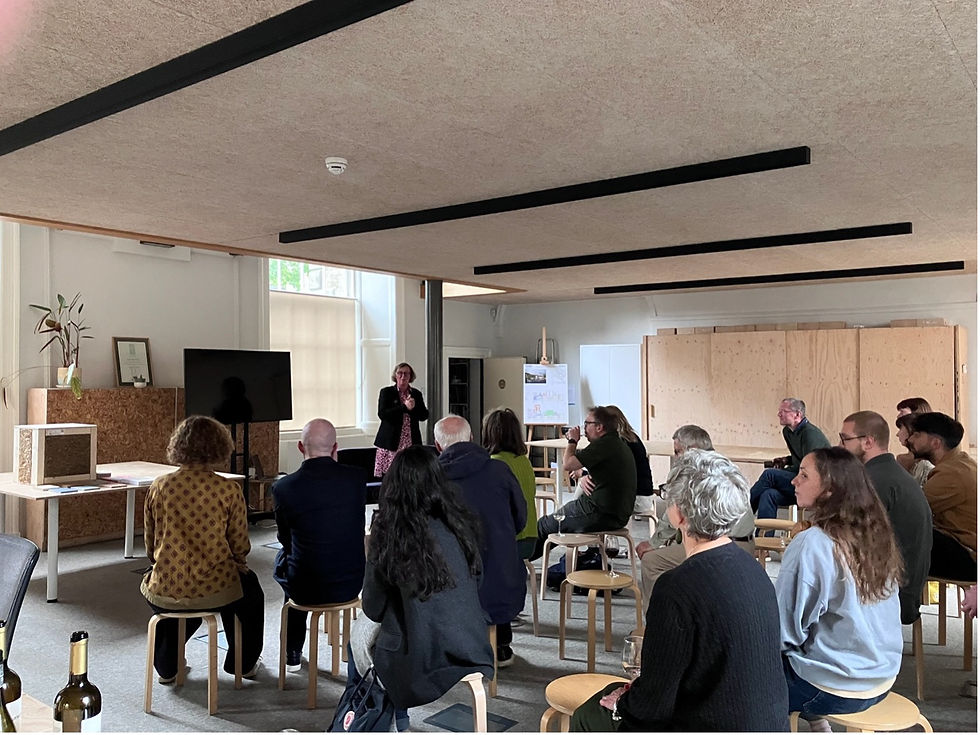
Architype’s Edinburgh studio hosted a film evening as part of 2025’s Architecture Fringe welcoming researchers from UK Treescapes, Deirde Heddon and Rachel Clive along with collaborators and members of the public.
News
Cultivating Reciprocal Connections: Looking Back on a Film Evening with UK Treescapes during Architecture Fringe 2025
Architype
26 Aug 2025
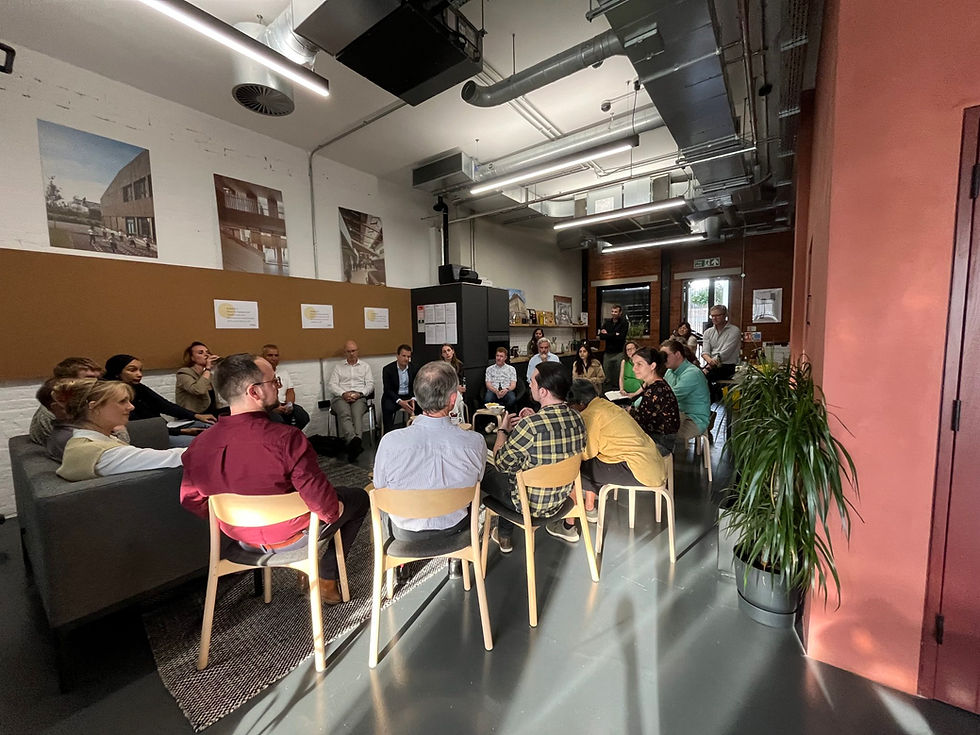
Architype welcomed collaborators to our London Studio for a roundtable discussion between actors at key stages of the material reuse journey
The Entopia Building
Transitioning to a Circular Economy
Article
Disrupting Circular Conversations: A Deconstruction and Material Reuse Roundtable
Architype
31 Jul 2025








.jpg)