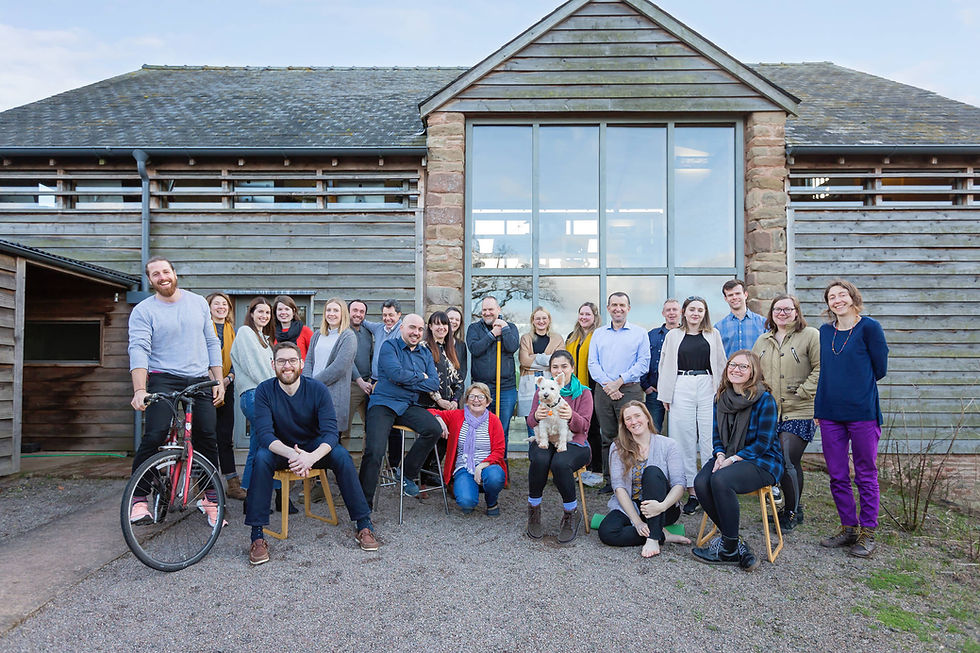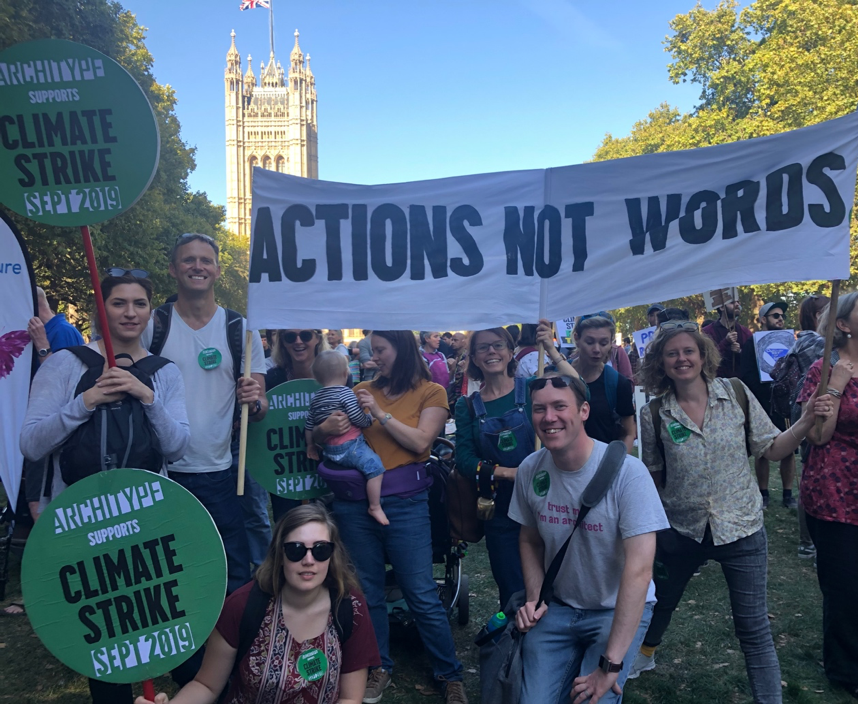

In the lead up to COP27 and during this year’s global climate strike, our teams in Edinburgh, Hereford and London took time to think about how climate injustice affects our local communities, and what as co-owners and a practice we can do to help.
We know that the biggest impacts of climate change will be felt by the communities least able to adapt to what is happening and least responsible for the climate impacts, and that climate justice also needs to be considered close to home.
Hereford
by SebLaan-Lomas
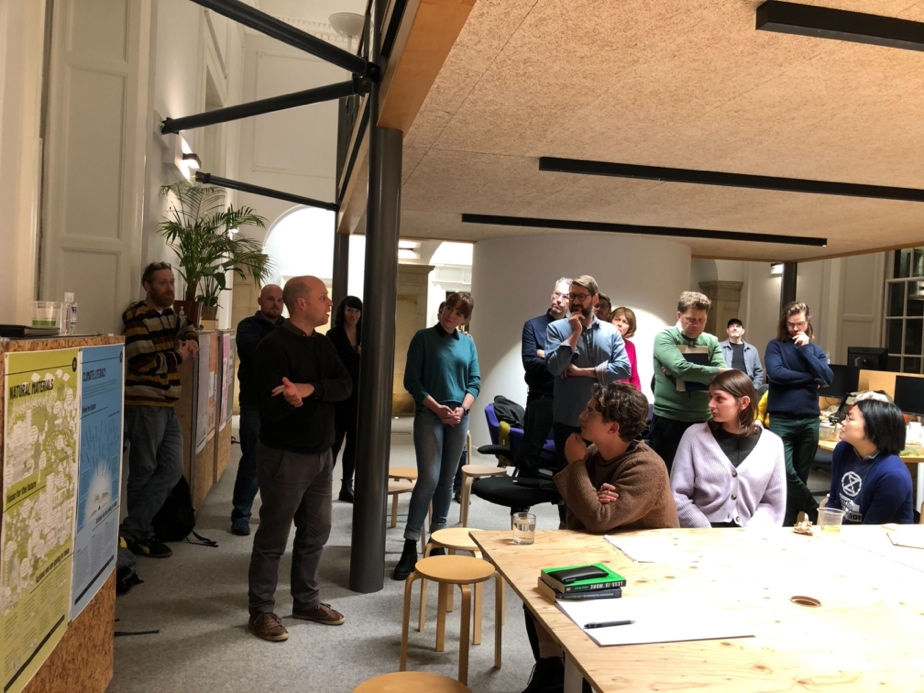
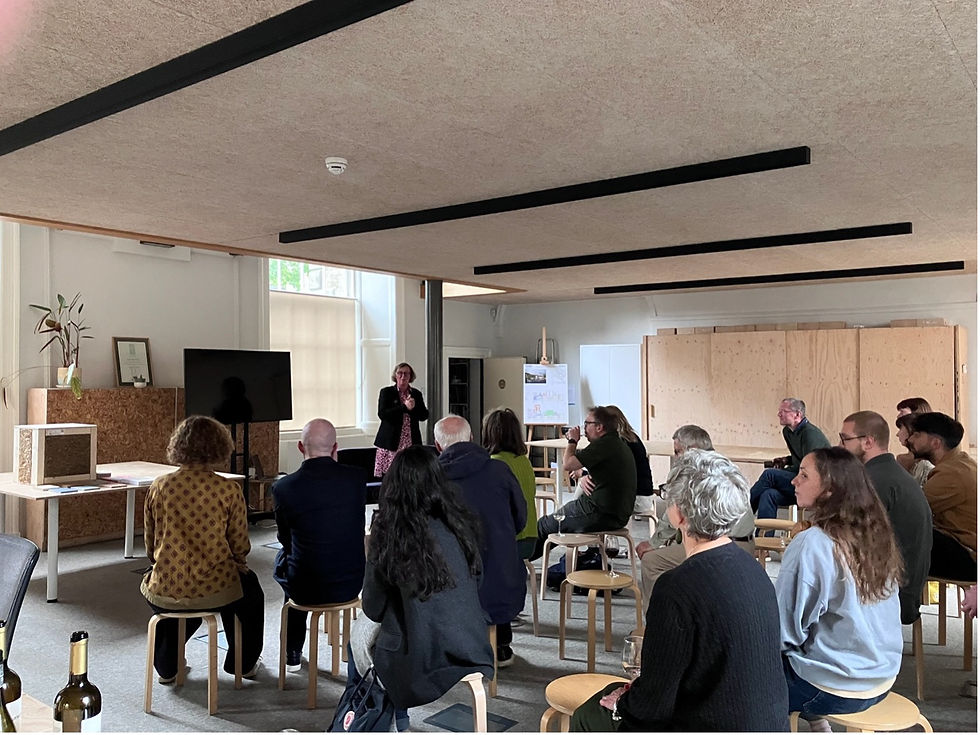
Our Hereford studio workshop invited co-owners to collaboratively explore how climate injustice manifests in Herefordshire. Beyond the critical energy crisis and fuel poverty, two key issues identified were water quality and phosphate levels, and river and surface water flooding. Phosphate levels in the River Wye have risen to such alarming levels that a moratorium on housing along the River Lugg is imposed.
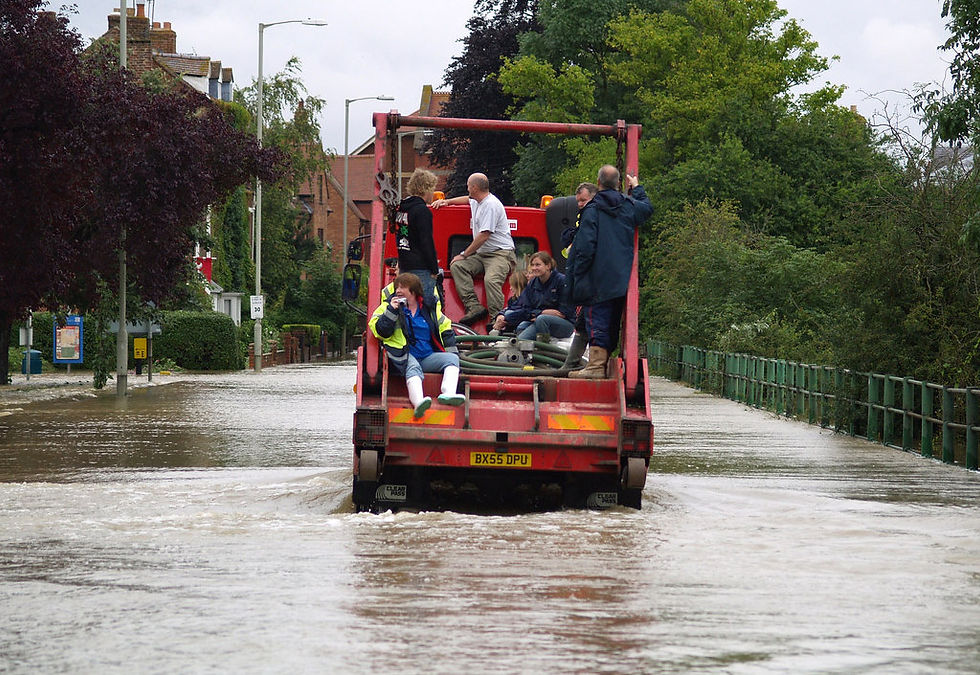
River flooding already significantly compromises transport links annually, bringing devastating damage to homes and bridges and resulting in evacuations to emergency shelters in churches and leisure centres. Co-owners felt that these impacts are disproportionately felt by lower income households that have less agency to enact change. We discussed a myriad of ideas about how to engage with local victims of climate injustice, including collaborative opportunities with existing positive initiatives such as Keep Herefordshire Warm, a free advice line on retrofitting.
To whittle down the leading proposals, we voted with our feet by standing in different areas of the studio to show levels of support for each option. As there was a tie we chose two:
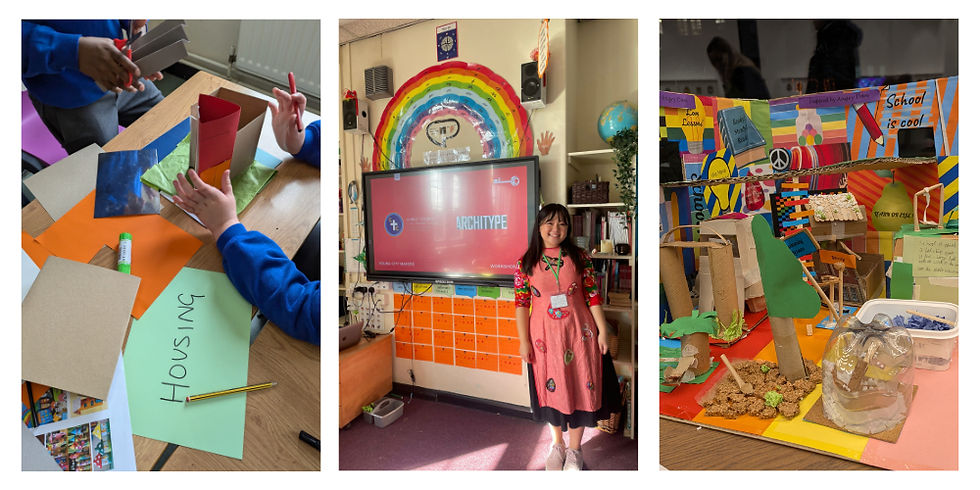
A grass roots proposal to run local school workshops around climate justice and the built environment, perhaps borrowing the great RAFT workshop trick involving baked potatoes and thermographic cameras. The aim will be to plant the seeds of hope that great things can, and must, be achieved
A strategic proposal to engage with Registered Social Landlords about the opportunities, solutions, and importance for retrofitting their existing portfolios and secondly to highlight the importance of robust, climate-resilient briefing of all new builds to safeguard them as future assets and not future liabilities

Edinburgh
By Scott McAulay
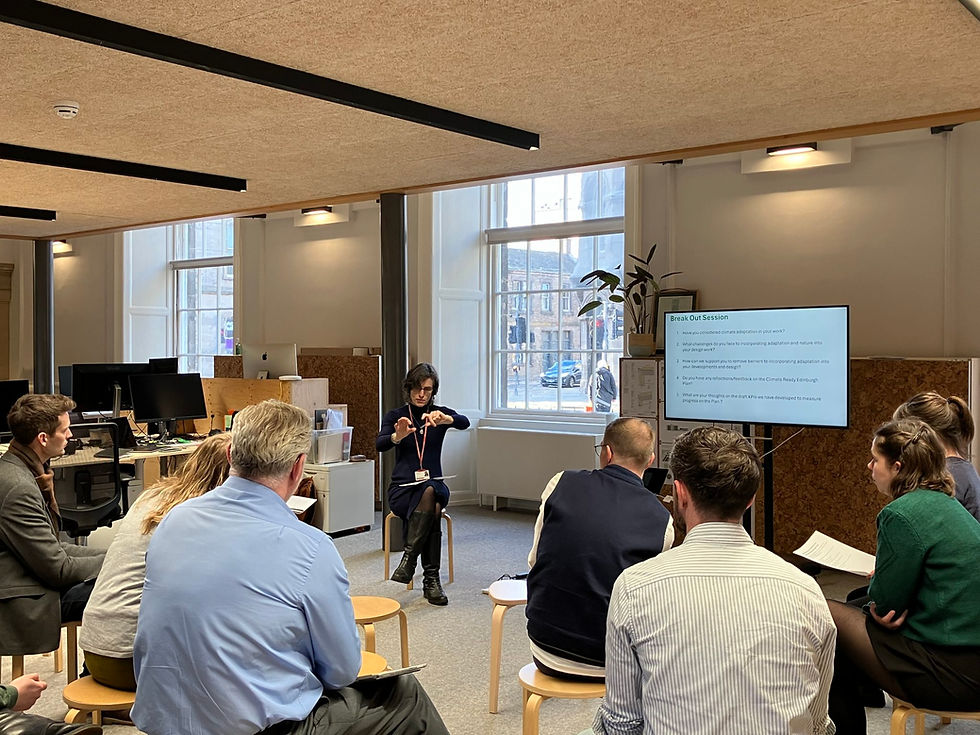
In Edinburgh, we explored how climate injustices manifest in our local area, and how our work can make a positive impact.
Climate change was already having an impact on Edinburgh’s building stock long before the cost of energy crisis began, forcing thousands more people to take careful notice of how their home retains heat. With extremes of weather intensifying this is set to escalate. Being a coastal area, Edinburgh is already facing surface water flooding and is threatened by the impending sea level rise. Many areas are still being designed around assumptions of car ownership long into the future; mobility is a significant problem, as is access to housing and the condition of housing itself.
Edinburgh’s heritage buildings were not built to weather the amount, nor intensity, of rain and storms the city now sees nor the extremes in temperature experienced this summer. Many renters find themselves trapped in fuel poverty, with little power to change the home that determines their energy bills.
Discussions brought to light that there is a great deal of activity in Leith around our studio, and with several initiatives planned in Edinburgh – like a circular economy hub and retrofit cooperative. Three recurring themes of how Architype could best contribute towards climate locally were through using:
Our work in the educational sector as a vehicle for wider impacts, using each school project as a way to engage with students and local government on climate justice
Our studio as an enabler and infrastructure to support our local community
Our platform and position as an industry leader in evidenced, sustainabledesign to lobby and seed ideas at high level to effect policy change
We are now in the process of coming to a consensus on what to begin to focus on first, and to decide on the best way to progress.
London
By Christian Dimbleby
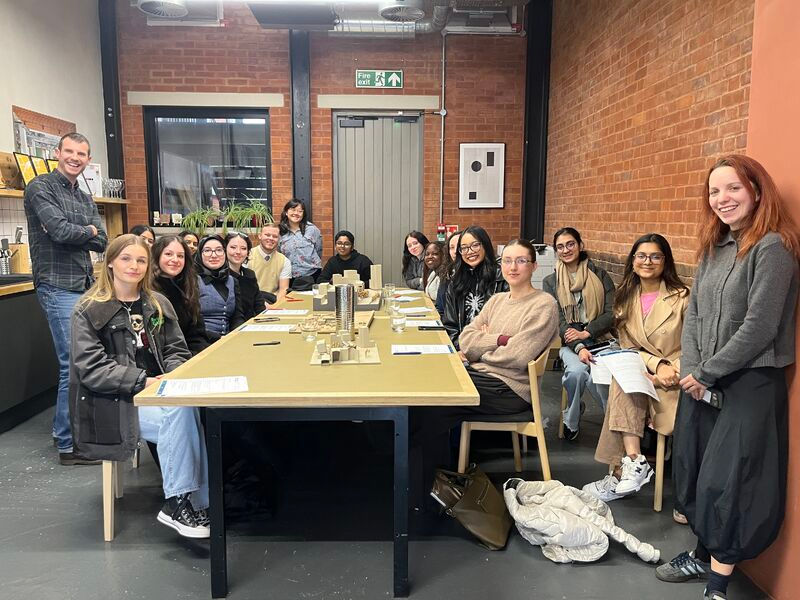
Our London studio discussed climate action in relation to an often-forgotten sector of the built environment - industrial units. Associate Wendy Bishop introduced the team to the case study project we are starting to work on, reviewing options for a client to retrofit existing industrial units, which then opened into ideas sessions split into three groups:
Sector background & other architectural precedents
Fabric upgrade options
Strategies to decarbonise
Shockingly we found out that Part L building regulations specifically exclude these types of buildings, but we are hopeful that the 2030 target of achieving a B EPC is still a requirement. We found out that the sector size in 2020 was 204,000 buildings, i.e. 33% of total Non-Domestic Buildings or 192,710,000 m2 and growing each year. This is therefore a critical area where improving these buildings can reap huge rewards in the legal commitments that the UK has proposed to reduce emissions.
There were lots of informative discussions and potential upgrade strategies were debated, as would be expected from a team with a wide spectrum of experience in delivering radical carbon reduction. We noted how these solutions could be beneficial to the owners / occupiers by improving comfort and lowering emissions and costs.
We discussed the challenges and opportunities and came up with a few radical out of the box solutions (which can be further tested) as well as quick wins and simple solutions, which we will look to share in the future.
In the race to net zero, it is vital that communities are not left behind, and supported in a Just Transition to an equitable future. Ideas from the workshops are now feeding into our justice and climate action plans to deliver change where we can.
Related articles

.jpeg)

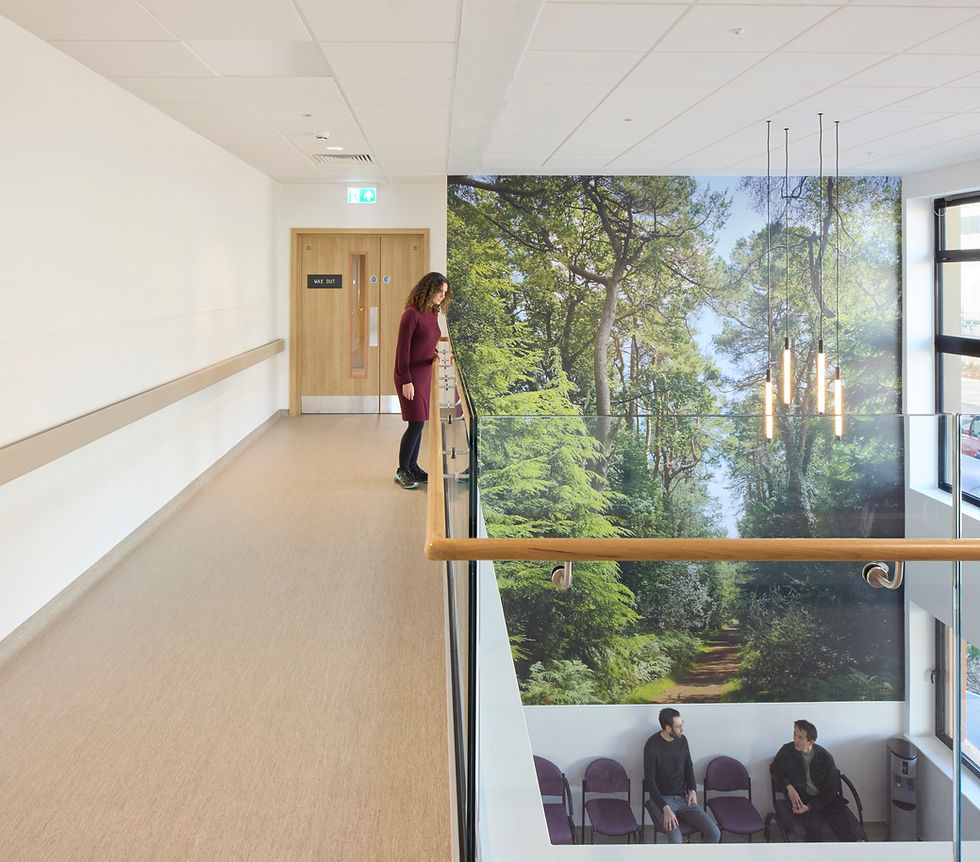
Our elegant retrofit of Liberton Nursery has been named a finalist in the Edinburgh Architectural Association's 2026 Awards
Liberton Nursery
Schools
Architecture
Material Impacts
Crafting High Performance Retrofit
News
Liberton Nursery recognised by the Edinburgh Architectural Association
Helen Murray
21 Sept 2026




Co-owners Sioned Holland and Dr Chryssa Thoua spoke to RIBA about designing healthy, resilient schools as part of a professional feature educating architects on key strategies.
Mulberry Academy London Docks
Harris Academy Sutton
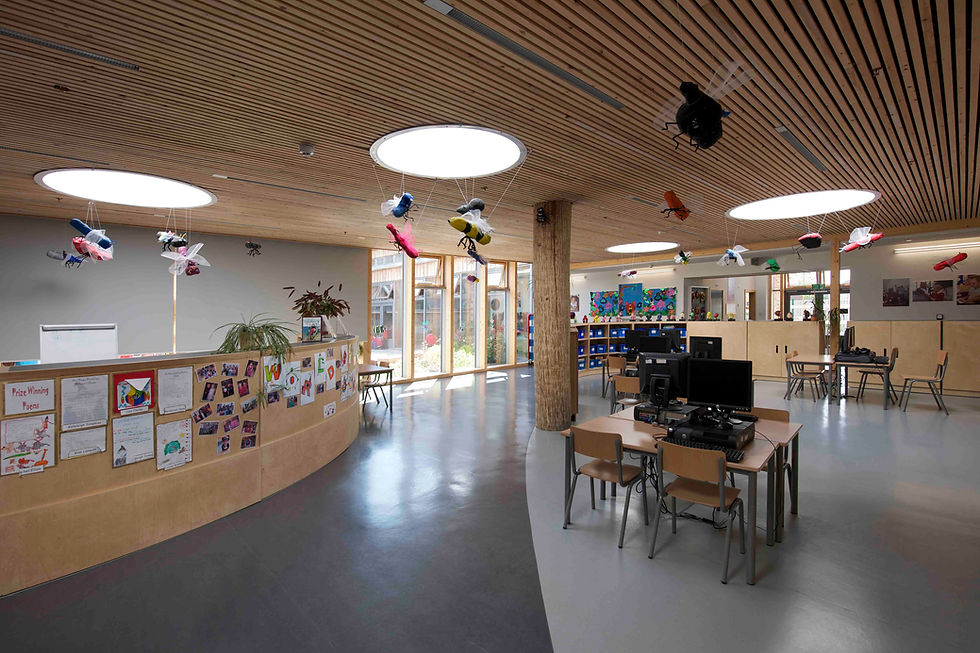
Hackbridge Primary School
Building Physics
Building Performance
Climate Resilience
Publication
An architect's guide to heatwave resilience
Sioned Holland
Chryssa Thoua
30 Jul 2026
2_tiff.png)
Join us on Thursday 9th July at 1pm as we talk through this innovative new tool that aims to empower local authorities to make real, data-informed decisions about their estates.
Research & Consultancy
Passivhaus
EnerPHit informed Retrofit Planning
Event
Launching the Estate Retrofit Toolkit
Architype
2 Jul 2026
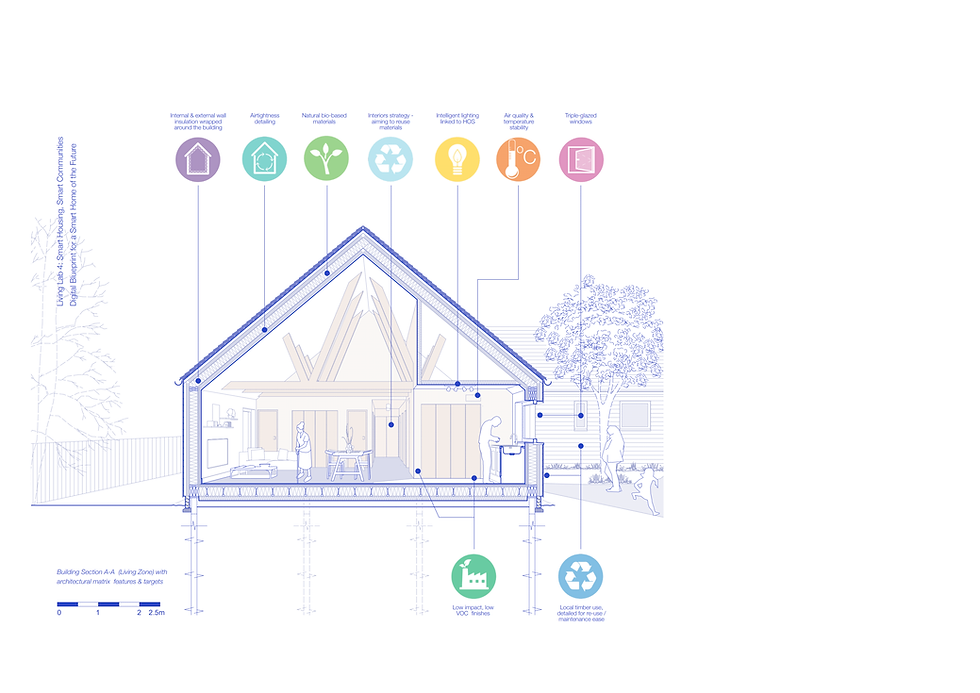
We're excited to support the launch of our collaboration on Envision: the digital blueprint for the smart home of the future with the Digital Health & Care Innovation Centre on 2nd June
Living
Research & Consultancy
Event
Launch of the Smart Home Digital Blueprint – secure your place now
Architype
19 May 2026

The Royal Agricultural University's new Innovation Village, a low-carbon research, development and entrepreneurship hub, has been granted outline planning
RAU Innovation Village
Higher Education
Passivhaus
Net Zero Carbon Estates Strategies
News
RAU's Innovation Village granted outline planning
Helen Murray
14 May 2026





We are thrilled to celebrate Chyssa Thoua on passing her viva for her PhD research into the total health performance of primary schools in the UK
Research & Consultancy
Material Impacts
Healthier Buildings
Building in Biodiversity
Innovating with Natural Materials
News
Celebrating Chryssa's academic success
Architype
23 Feb 2026
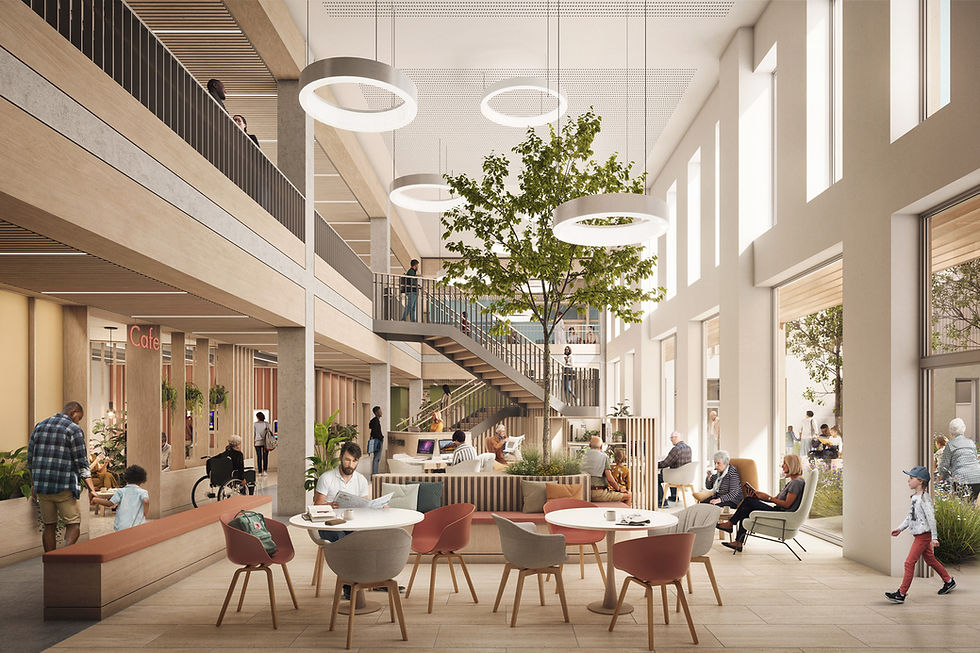

West Park, a new purpose-built student accommodation for The University of Exeter, has become the first of its kind to achieve WELL Residence pre-certification.
West Park and Birks Grange Village Student Housing
Living
Healthier Buildings
News
West Park development achieves WELL Residence precertification
Helen Murray
4 Dec 2025
The new Currie Community High School in Edinburgh recently opened its doors, making history as one of Scotland’s first Passivhaus secondary schools; a significant milestone in the UK’s low-energy design agenda.
Currie Community High School
Article
Currie opens, Part 1: The Commitment Brief
Jorge Barreno Cardiel
1 Dec 2025
Architype’s Edinburgh studio hosted a film evening as part of 2025’s Architecture Fringe welcoming researchers from UK Treescapes, Deirde Heddon and Rachel Clive along with collaborators and members of the public.
News
Cultivating Reciprocal Connections: Looking Back on a Film Evening with UK Treescapes during Architecture Fringe 2025
Architype
26 Aug 2025
Architype welcomed collaborators to our London Studio for a roundtable discussion between actors at key stages of the material reuse journey
The Entopia Building
Transitioning to a Circular Economy
Article
Disrupting Circular Conversations: A Deconstruction and Material Reuse Roundtable
Architype
31 Jul 2025








.jpg)