Architype
Currie opens, Part 1: The Commitment Brief
By Jorge Barreno
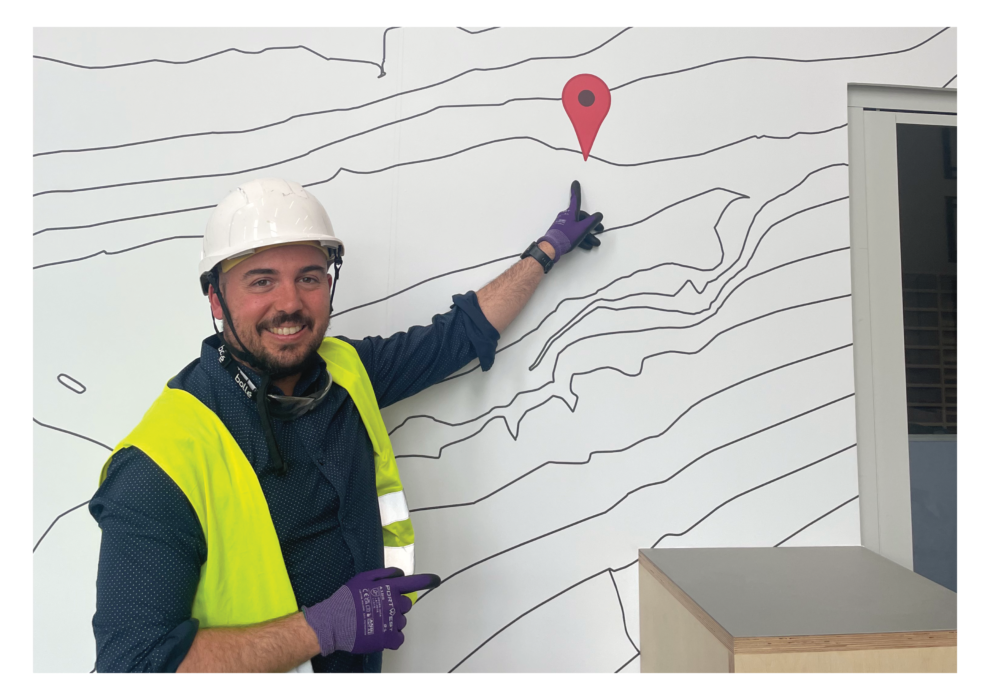
The new Currie Community High School in Edinburgh recently opened its doors, making history as one of Scotland’s first Passivhaus secondary schools; a significant milestone in the UK’s low-energy design agenda. The space was handed over ready for the start of the new school year, bringing a healthy and vibrant new space for the Edinburgh community. In Part 1, project architect Jorge Barreno-Cardiel explains the design choices for this exciting new building.
A Public Brief
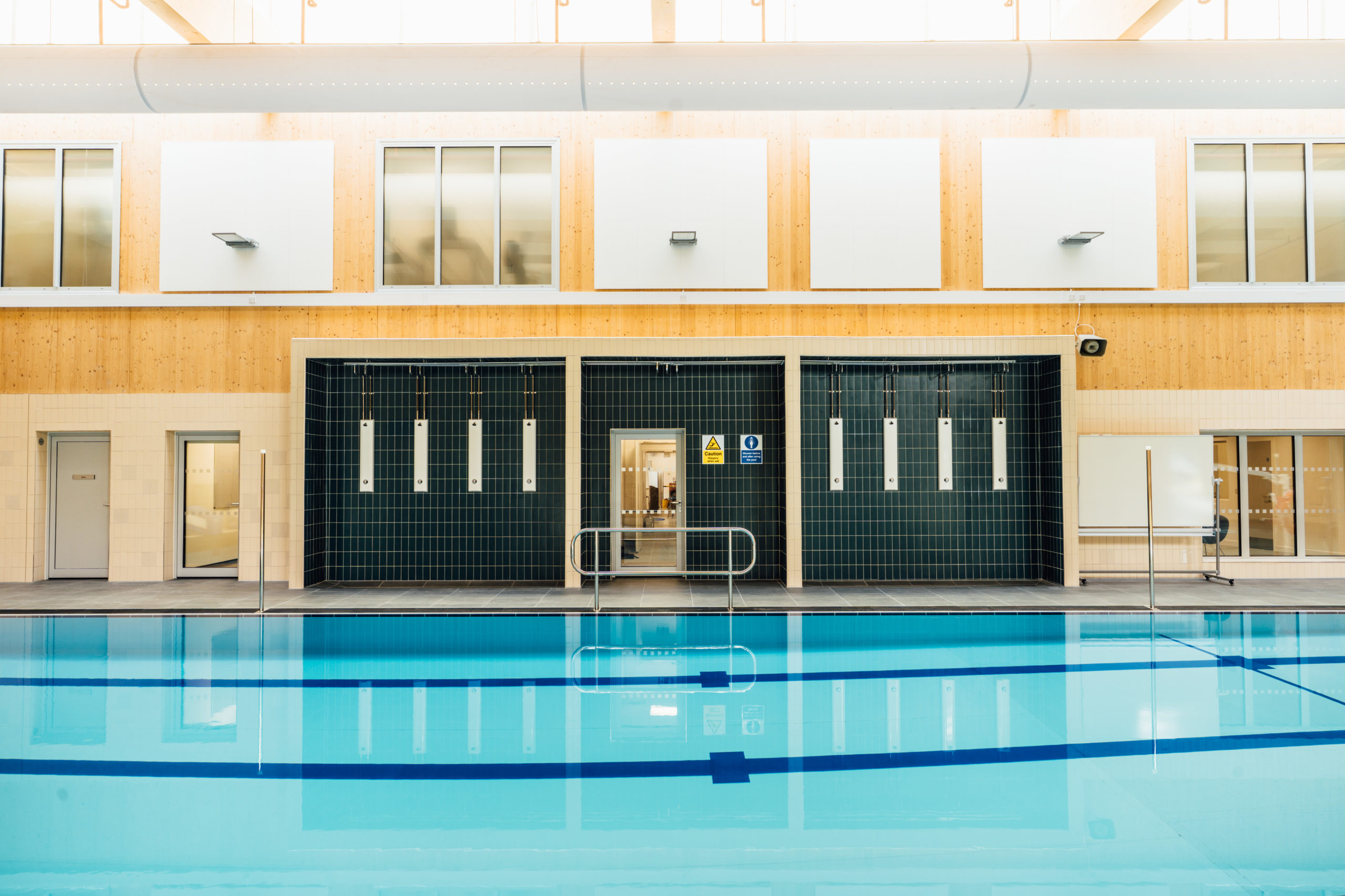
Edinburgh City Council’s ambition extended far beyond providing a replacement school. Currie was conceived as a multi-generational community asset, combining education with health, wellbeing and civic uses. Alongside a 1,000-pupil secondary school, the building accommodates a public library, a wellness centre, café, allotments, a four-court sports hall, and a Passivhaus swimming pool.
The strategy recognises the school as a social anchor: a place of learning during the day, and a hub for recreation, support, and culture beyond school hours. This inclusive ethos informed both programme and spatial organisation from the outset.
Architectural Approach
Architype’s design articulates a series of learning environments inspired by social learning theory:
- Campfire spaces for large-group teaching and assembly
- Watering holes for informal exchange
- Caves for quiet, individual reflection
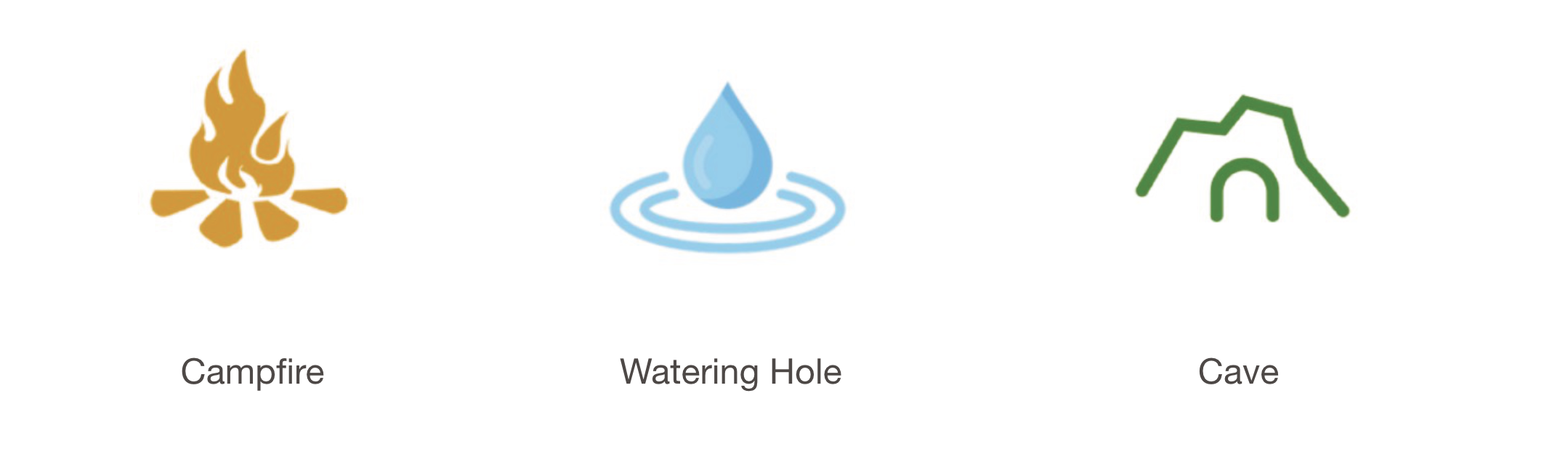
These models underpin a spatial composition that mixes open, flexible areas with more intimate niches, giving pupils variety and agency in how they learn.
Externally, the architecture draws on the surrounding Pentland Hills. Textured cladding, natural tones and framed views tie the school to its landscape setting, while generous glazing maximises daylight and visual connection to the outdoors. Outdoor terraces, a sensory garden and allotments further extend the educational environment into the landscape.
In keeping with the holistic sustainability approach, the material palette was carefully selected to enhance air quality through low-VOC products and natural materials such as linoleum and wood-fibre ceilings tiles.
Community value
The scheme is engineered to create community and intergenerational interactions, becoming a place that the whole neighbourhood truly feels is their own, from parents and teenagers to lane swimmers.
As one of the first developments in the Scottish Futures Trust’s Learning Estate Improvement Programme, it had to meet strict energy requirements that are linked to school funding.
We chose Passivhaus as our design approach as the most rigorous and efficient way to achieve both the energy requirements, with the added value of enhanced comfort, wellbeing and all-round quality. Our team also used our in-house ECCOLAB software to monitor the building’s embodied carbon impact as the design developed.